A look at what connects and what divides these popular SUVs
With thousands of vehicles in our inventory, we’re here to help make car research easier for you. We’ve partnered with car-review experts from Edmunds to weigh in on what matters most when you’re looking to buy a truck or car.
***
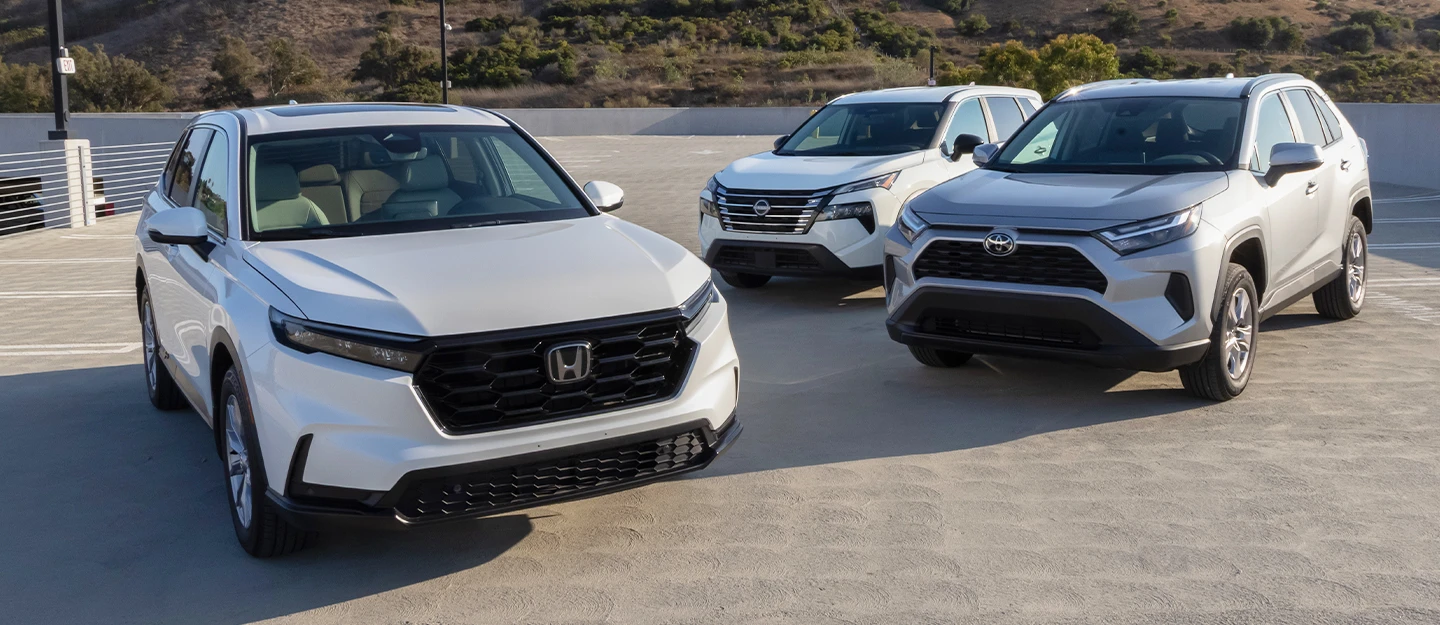
There's a reason the compact SUV has become Americans' vehicle of choice. These SUVs can do everything from the daily commute to hauling the family on long road trips in comfort. The Toyota RAV4 is one of the best-selling vehicles in the United States thanks to its versatility, not to mention name recognition. But the RAV4 isn't the only game in town: The Honda CR-V and Nissan Rogue are two of the RAV4's biggest competitors.
Independent reliability tracker RepairPal® says the CR-V is the most reliable of the three SUVs, with a lower annual repair cost than the RAV4 or Rogue, though not by a whole lot. The Rogue comes with the highest annual repair cost but is, on average, less expensive than the repair cost for either the RAV4 or CR-V.
So, which compact SUV comes out on top? We're going to look at the 2024 model for each SUV to find out.
Toyota RAV4 Basics
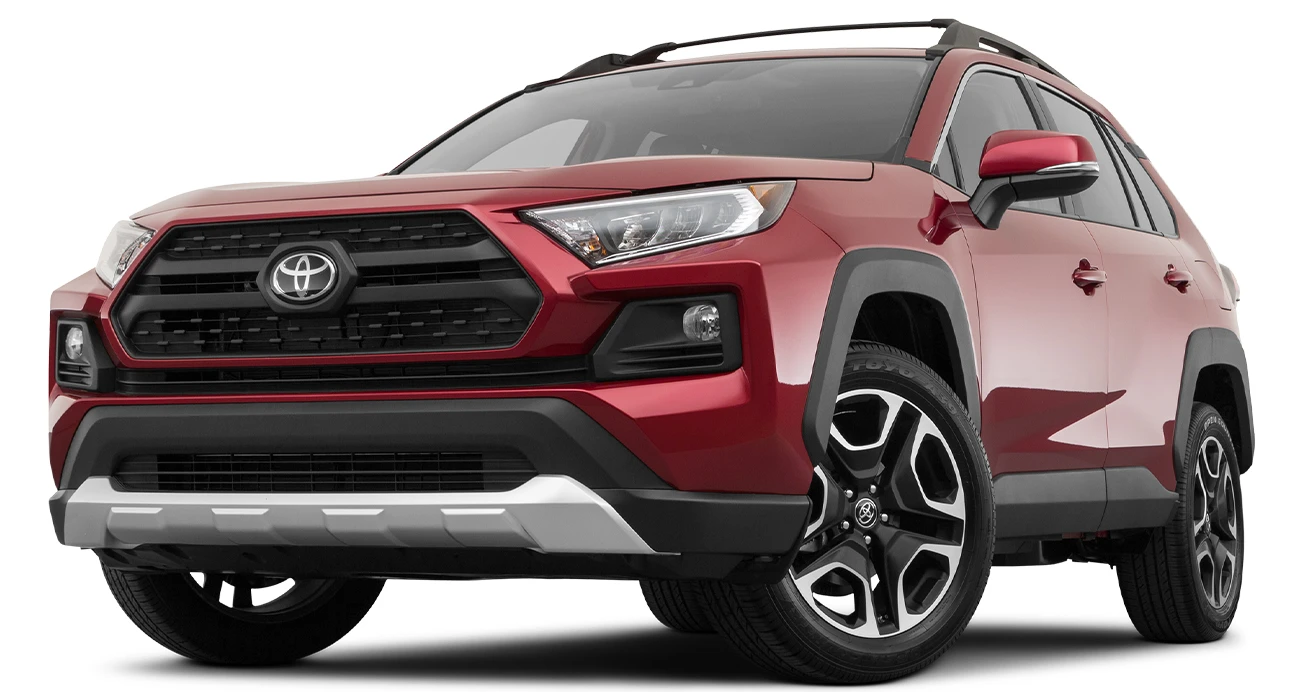
Toyota introduced this version of the RAV4 back in 2019 and has only tinkered at the margins since its debut. Front-wheel drive is standard, but all-wheel drive is available and comes standard on the off-road-friendly Adventure and TRD Off-Road trims. The SUV offers seating for five, is easy to live with, and comes with lots of helpful standard tech features. A hybrid version of the RAV4 gets an EPA-estimated 39 mpg combined, though it performed a little worse in Edmunds' testing at 35.2 mpg. Still, that's a big improvement over the non-hybrid RAV4.
Honda CR-V Basics
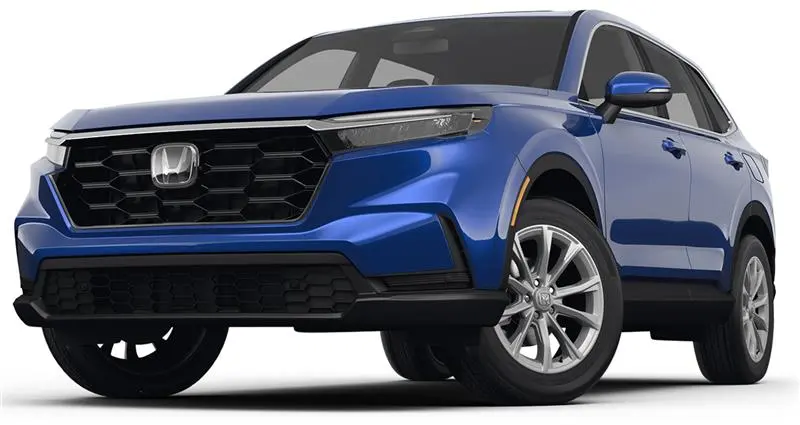
This version of the Honda CR-V debuted in 2023 and the Japanese automaker added a new trim, the Sport-L, for 2024. Its roomy interior and large cargo space are standout features, though small-item storage is not as good as in competitors. The tech features inside the CR-V are plentiful and easy to use, and the standard engine makes for pleasant driving. A hybrid engine is available, though Edmunds found it to be noisy and lacking power while not being much more efficient than the regular engine.
Nissan Rogue Basics
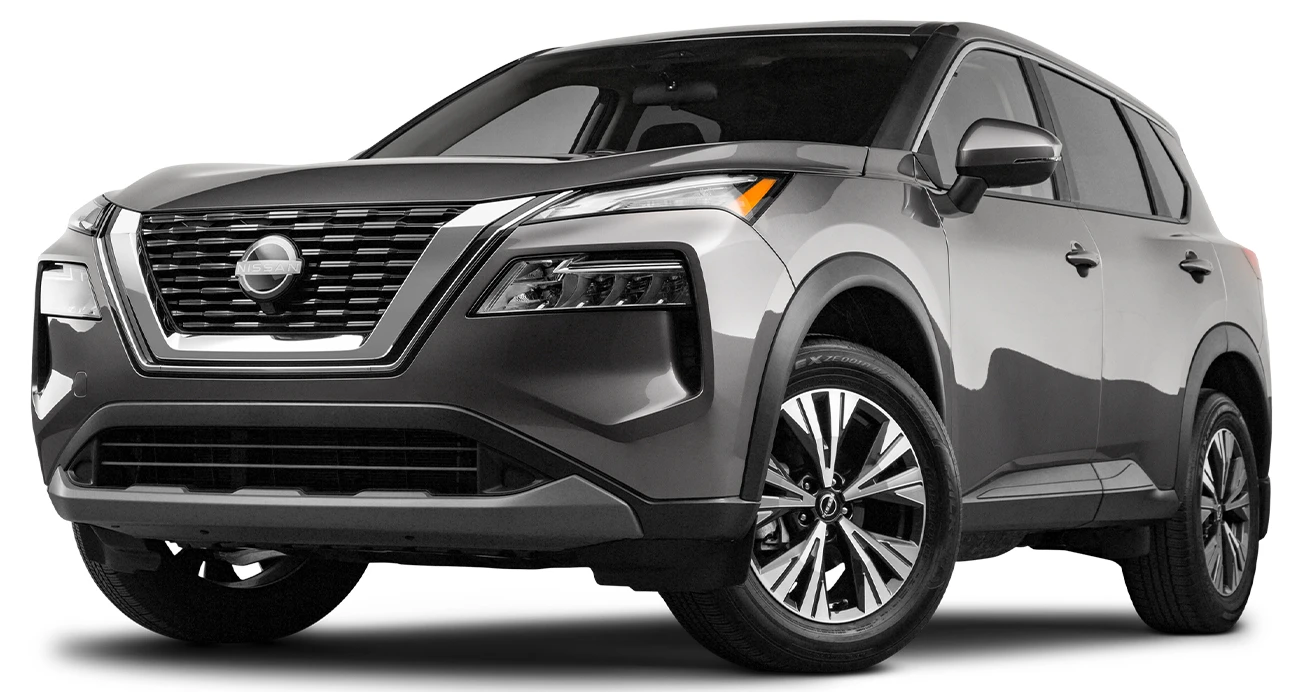
Nissan introduced the latest generation of the Nissan Rogue in 2021 and introduced a new Google-based infotainment system in 2024. That system comes on SL and higher trim levels with the larger 12.3-inch touchscreen. An eight-inch touchscreen comes standard, and Edmunds found it works well. The Rogue can often be a great bargain compared to the competition, packing in many features for the money.
Compact SUV Showdown
Three compelling compact SUVs, one winner. Let's take a look at the features available on each of these SUVs.
Passengers and cargo
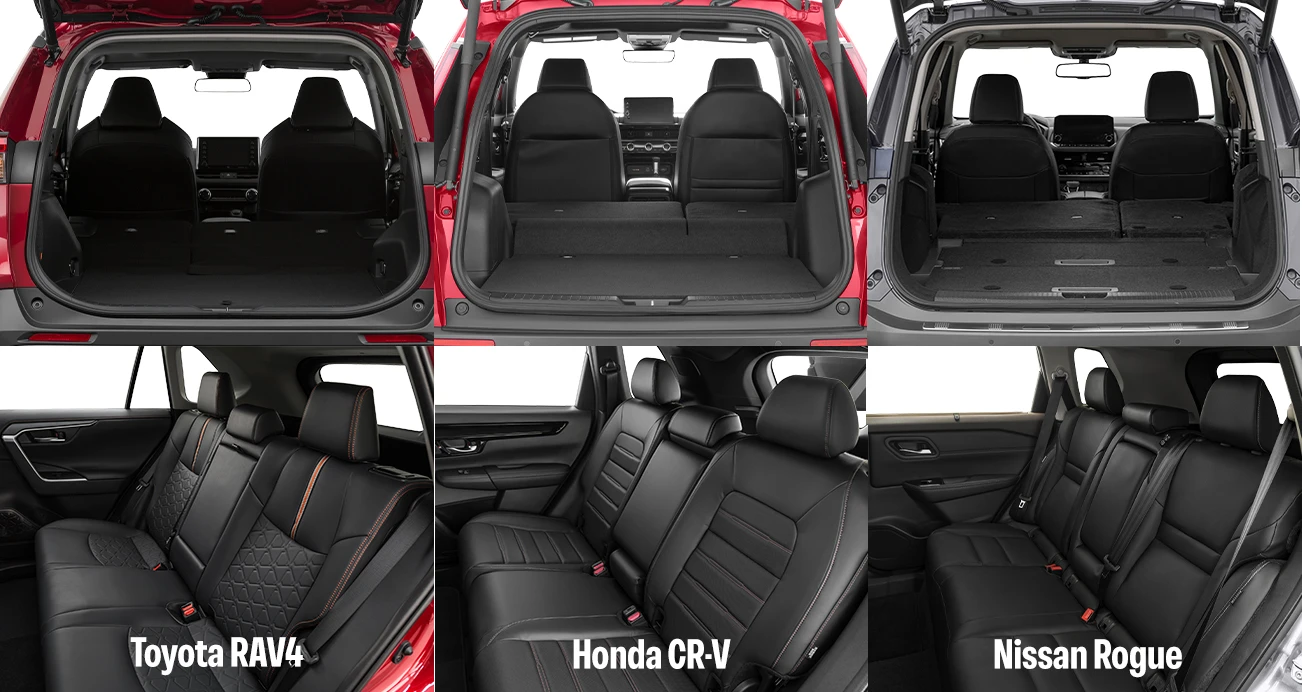
All three compact SUVs offer seating for five, though passenger comfort is not created equal. The RAV4 has the smallest rear passenger legroom, though Edmunds' testing found those seats to be a bit more comfortable than the similarly small Rogue back row. Edmunds noted the CR-V for having a large, spacious interior that translates into great passenger comfort in the second row.
How about room for the passenger's gear? The Honda CR-V wins here, offering 39.3 cubic feet (cu-ft) of cargo space behind the second row. The RAV4 isn't far behind, delivering 37.5 cubic feet while the Rogue brings up the rear with 31.6 cubic feet. That's a couple of grocery bags worth of difference between the CR-V and RAV4, and more like half a dozen between the RAV4 and Rogue. If you plan on folding down the second row to open up the whole cabin for storage, the CR-V (76.5 cubic feet) and Rogue (74.1 cubic feet) come out on top, while the RAV4 lags behind (69.8 cubic feet).
Both the CR-V and RAV4 can accommodate three car seats in the second row, though it will be a tight fit depending on the size of the car seats you're installing. The Rogue only has anchor spots for two car seats in the second row.
Jake's take
The Honda CR-V is the clear winner here. It's impressive how much interior space Honda provides for passengers without compromising on gear storage. Small-item storage is just okay on the CR-V, but Honda makes up for it everywhere else.
Engine choices
You get two choices of engine with the Honda CR-V: a regular 1.5-liter turbocharged engine and a hybrid 2.0-liter four-cylinder engine. Edmunds found that hybrid engine disappointing. It's noisy, not very powerful, and barely more efficient than the regular engine, so Edmunds recommends the regular engine.
All Nissan Rogues come with a 1.5-liter turbocharged three-cylinder engine that Edmunds' testing found to be plenty powerful. The transmission is just okay. It can feel like the engine takes a long time to respond in regular city driving, such as pulling away from stoplights. This is more annoying than anything else, but if you do a lot of driving around town, you should keep that in mind.
The Toyota RAV4 is available in two flavors: regular and hybrid. The regular RAV4 engine is a 2.5-liter four-cylinder, which has enough get-up-and-go around town, though you may find the RAV4 lacking in power if you're trying to get up to speed quickly or if you're driving up a big hill. The hybrid gets an EPA-estimated 39 mpg in combined driving, but Edmunds was not able to replicate that number. Still, the 35.2 mpg the Edmunds test returned is a big improvement over the non-hybrid.
Jake's take
My editor tells me I can't put in a large shrug emoji, so I'm giving the edge to the CR-V. It has the most satisfying engine of the three, though if performance is really what you're after, you're best off looking at something like the Mazda CX-50.
Tech
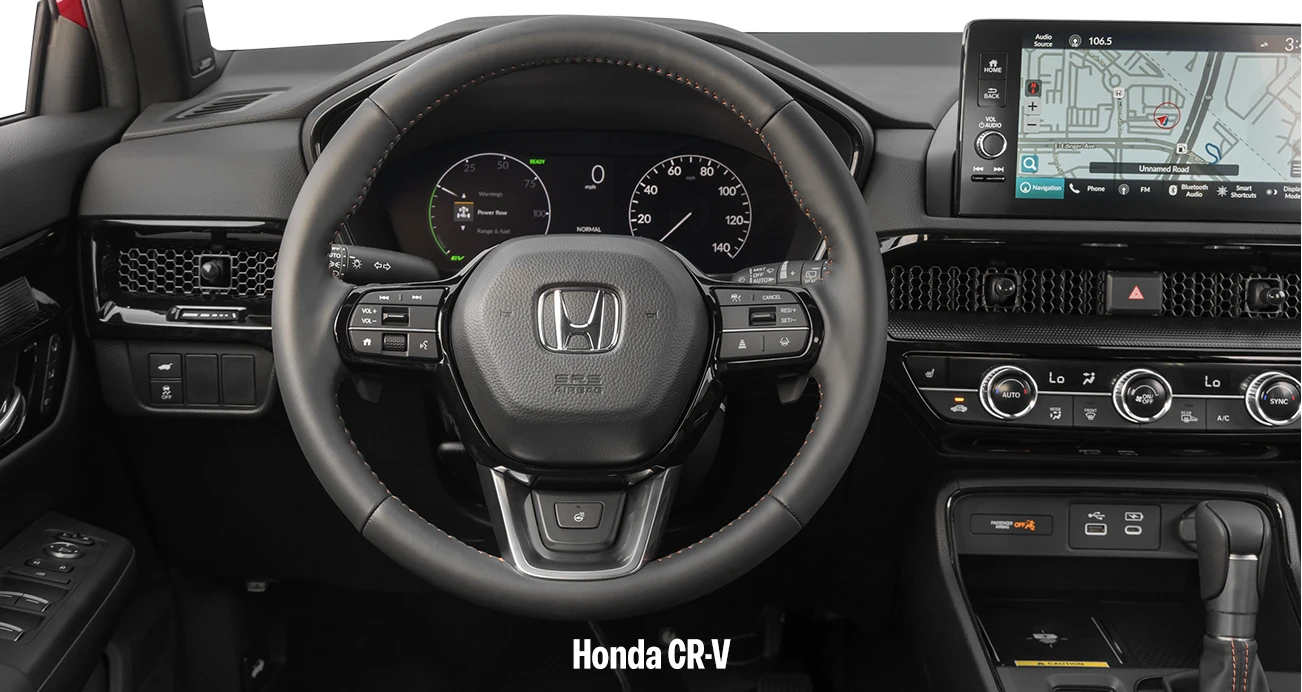
Good news: Tech is a strength in all three of these compact SUVs. The Honda CR-V has the smallest of the three standard screens (seven inches vs. eight inches for the Rogue and RAV4), but it works just fine, and wireless Apple CarPlay® and Android Auto™ are standard features. Desirable driver aids like adaptive cruise control—which is cruise control that keeps a set distance between you and the vehicle in front of you—come standard and work very well on the CR-V.
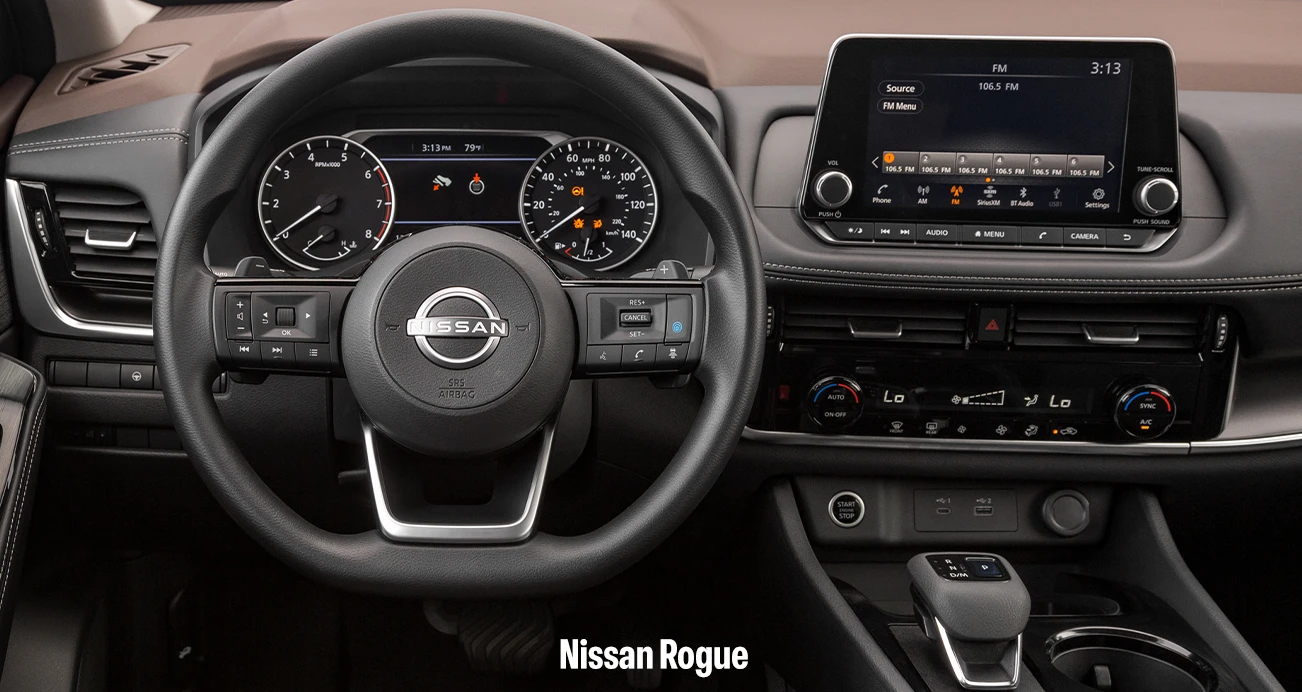
The standard eight-inch screen on the Rogue works fine, but the upgrade 12.3-inch touchscreen (on SL trim Rogues and above) is great. It features a Google-based infotainment system and adds wireless connectivity for Apple CarPlay® and Android Auto™. Getting the second-tier SV trim gets driver aids like adaptive cruise control and lane-keeping assistance, though Edmunds' testing found these systems work just OK, especially in stop-and-go traffic.
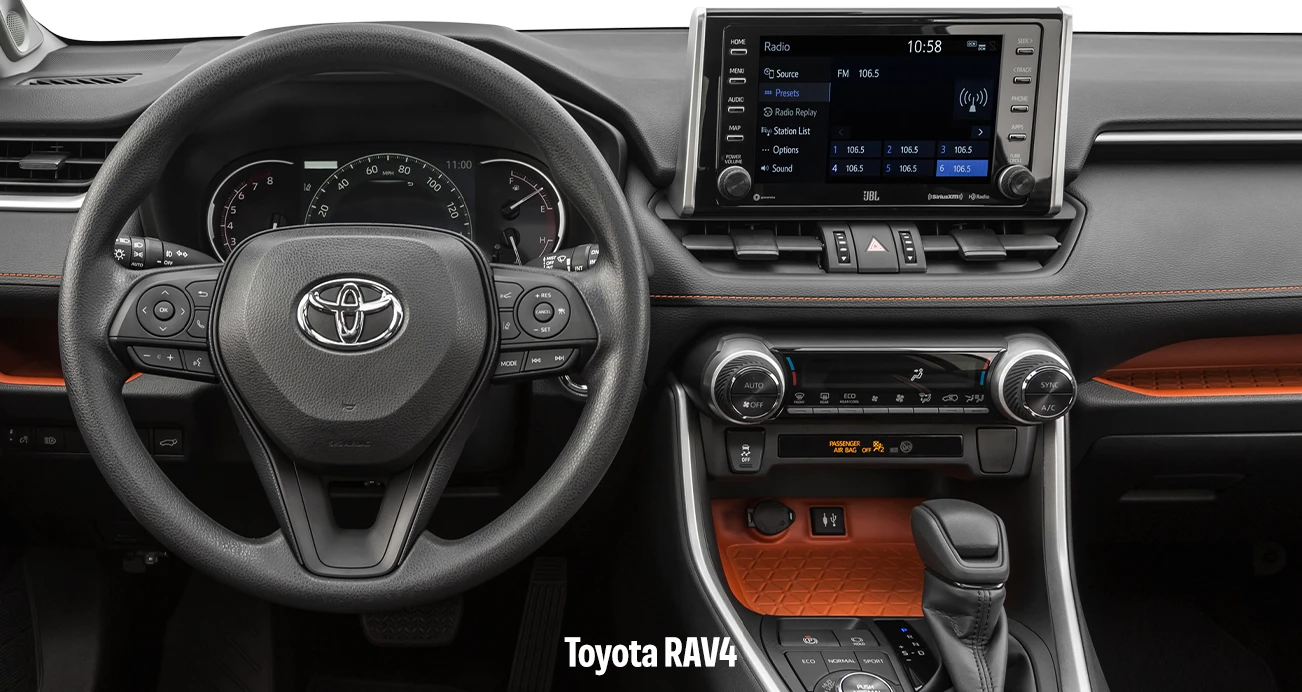
Wireless Apple CarPlay® and Android Auto™ are standard features on the RAV4, along with adaptive cruise control, lane-keeping assistance, and forward collision warning. These driver aids are some of the most impressive among compact SUVs, especially adaptive cruise control. But the touchscreen, outside of Apple CarPlay® and Android Auto™, felt dated the moment it came out. The Toyota software is clunky and slow.
Jake's take
The Honda CR-V takes it here on the strength of a slightly better infotainment system.
Choose Wisely
The Honda CR-V wins out, though not by a whole lot. It's just a little bit better in most areas, except for cargo space, where it's a blowout. But as always, you know best what you need out of a compact SUV. If it's interior space and cargo, the CR-V is the obvious choice. But if you're shopping with a strict budget, the Rogue is definitely worth a look. And the RAV4's advanced driver aids make it a very compelling choice.

Jake Sundstrom has worked in the automotive industry since 2017 and written hundreds of car related articles over the course of his career. Jake is an editor at Edmunds, where he helps produce the best used car content on the web. He has also contributed to the National Hot Rod Association and other motorsport publications. When he's not writing about cars, he's probably driving them to his next vacation; he's still working out how to get a Wrangler from Los Angeles to Maui.