

Can I get a used EV tax credit?
There will no longer be federal tax credits for new or used EVs purchased after September 30, 2025. However, you may qualify for state or local tax credits. See Edmunds for a list of tax credits, rebates, or incentives you may qualify for. Additionally, some automotive lenders may offer EV loans. EV loans may feature lower interest rates, longer repayment terms, and other benefits. For more on EV financing, check out our article on CarMax.com.
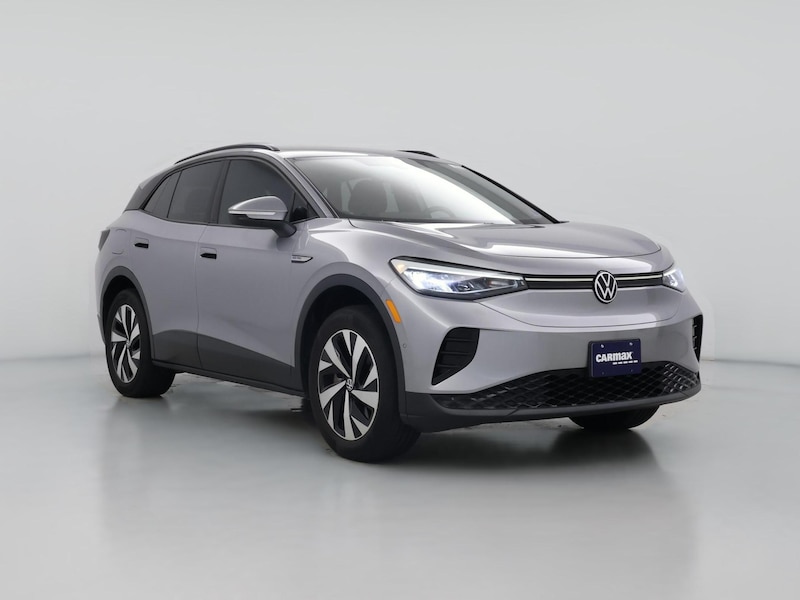
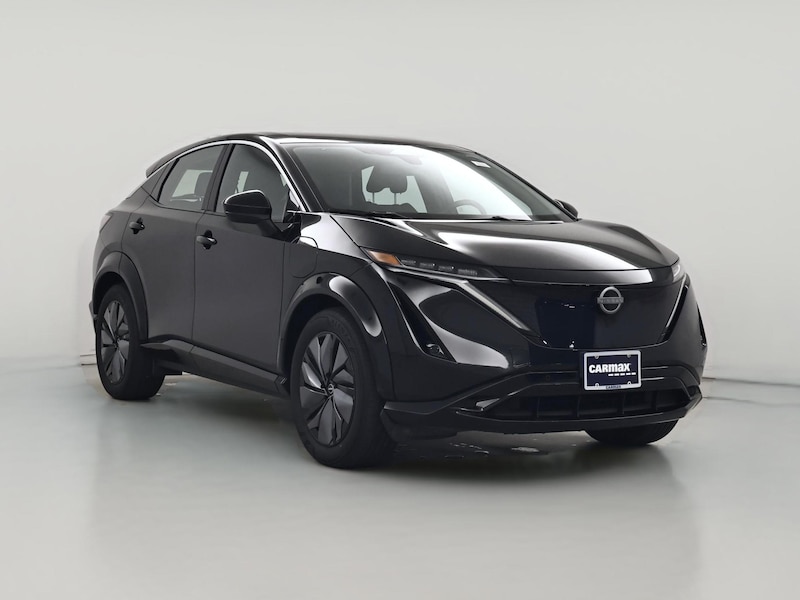
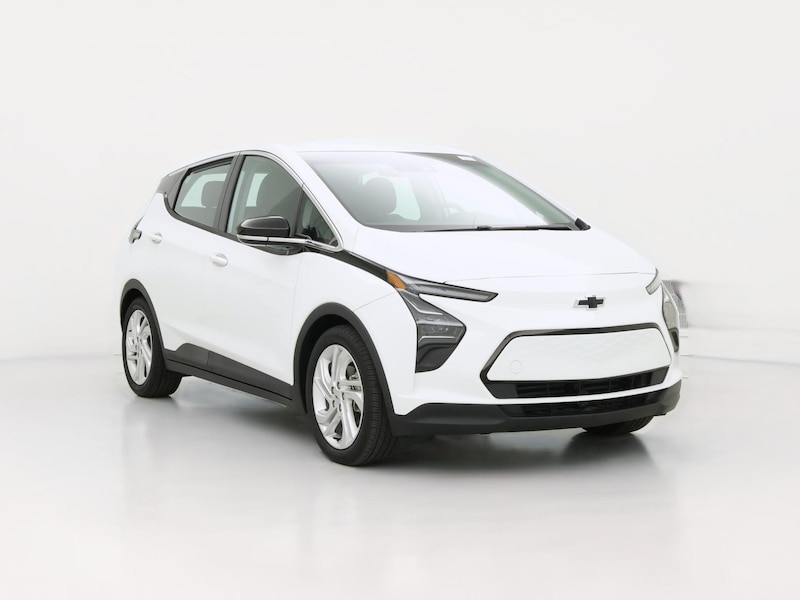
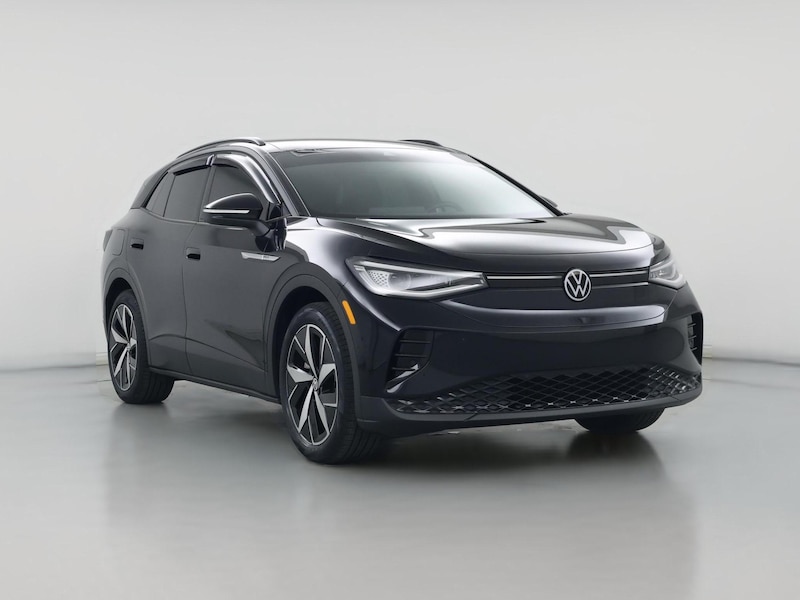
Budget-friendly possibilities
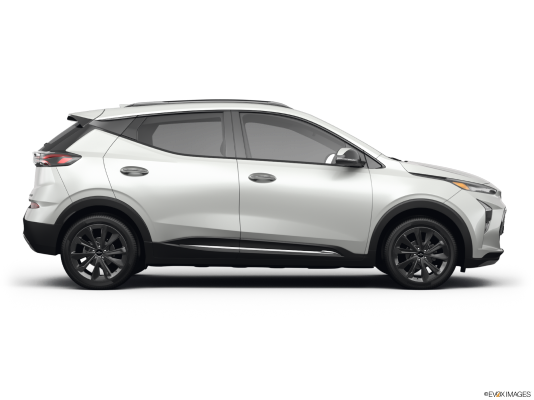
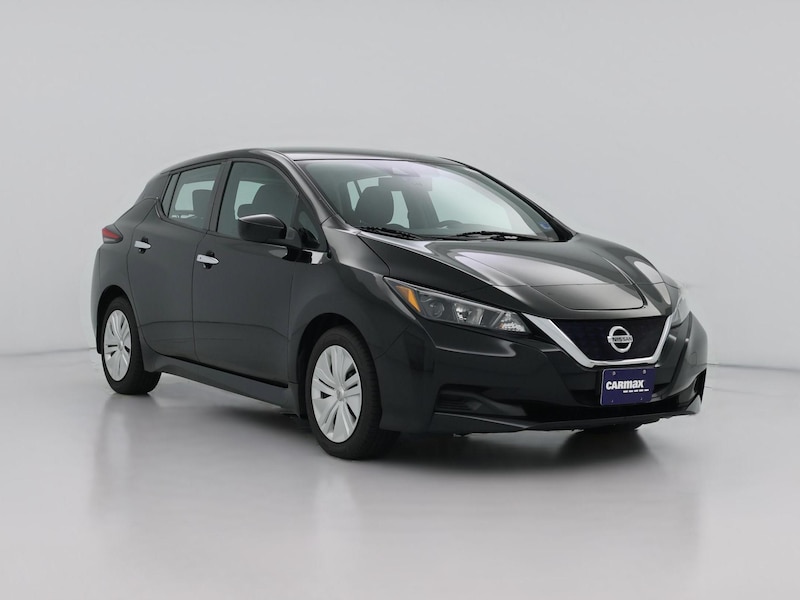
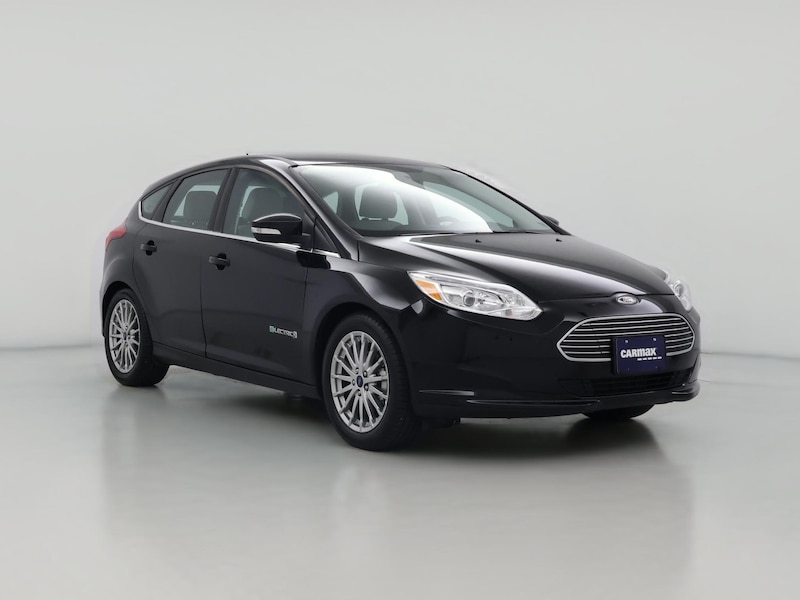
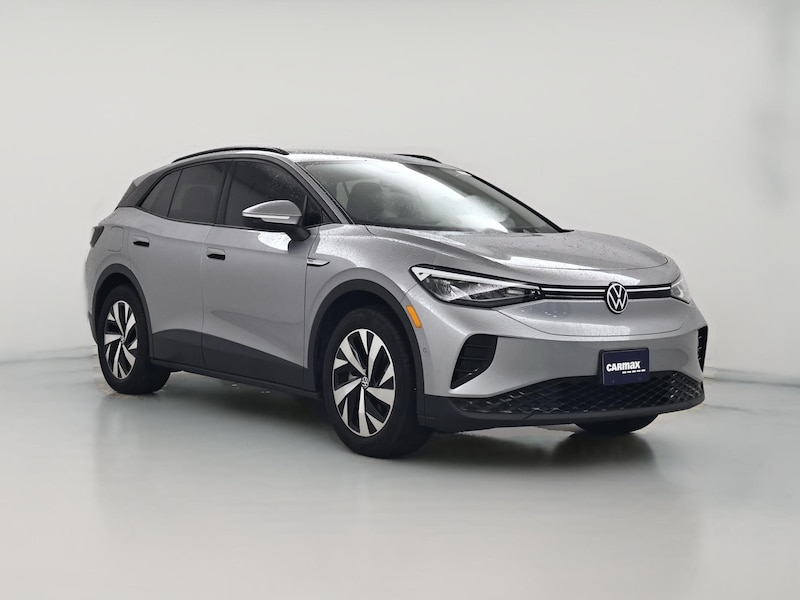
If you think driving an electric car is out of reach for your budget, we’ve got good news! It may not be.



Learn more about purchasing an EV
FAQs about EV tax credit
There will no longer be federal tax credits for new or used EVs purchased after September 30, 2025. However, you may qualify for state or local tax credits. See Edmunds for a list of tax credits, rebates, or incentives you may qualify for.
For more information about the federal EV tax credit, please visit the IRS Website.
There are several types of charging available for your electric vehicle:
- Level 1 charging at home (standard home wall outlet): a common 120V power outlet provides about 3-5 miles of range per hour charged. A good practice of many BEV and PHEV owners is to charge overnight, where you can achieve a 30-mile range in 6-8 hours, so you don’t start your day with an empty battery.
- Level 2 charging at home (upgraded home wall outlet + charging box): a conventional 240V power outlet—like one your washing machine uses—provides power at a faster 10-20 miles of range per hour charged. You will need a charging regulator box to protect the vehicle against things like power surges, which can cost $500-$1000+ before installation. For any modifications to your home’s power system, consult an electrician to add 240V outlets and ensure your home can support the proper amperage.
- Level 2 charging in public (public charging networks): public chargers can also be used on BEVs and PHEVs, though for a PHEV you should evaluate if the cost is justified—because the price of charging at public chargers varies, and it may be cheaper to simply use the gasoline already in your car.
- Direct current (DC) fast charging: DC fast charging uses direct current (DC) electricity to charge the battery of an electric vehicle. DC fast charging is much faster than Level 1 and Level 2 charging, charging an EV battery up to 80% in about 30 minutes. It’s an ideal option for longer trips and for charging an EV quickly when time is limited. PHEVs do not support direct current fast charging (also known as Level 3 charging); that would be like trying to fill a small bucket with a fire hose.
Full electric vehicles powered by an electric motor and battery typically have the lowest operating cost (though a variety of factors influence personal operating cost).
For example, the EPA estimates the cost to drive an all-electric 2022 Ford F-150 Lightning 4WD for 25 miles would be $1.83, while the cost to drive an all-gas 2022 Ford F-150 4WD with 3.5l V6 for 25 miles would be $4.33.
Your personal results will vary based upon local electricity rates, gasoline costs, and vehicle usage. Figures are based on EPA estimates for when a vehicle is sold as new. The cost to drive 25 miles may vary for reasons like driving conditions and vehicle history. Unless specified, the figures are for vehicles equipped with an automatic transmission. Full details are available at fueleconomy.gov.
The simple fact is that the average cost of charging an electric car is less than the average cost of fueling a gasoline car. Check out our full article on the cost of charging an electric car compared to pumping gas to learn more.
 CarMax cannot provide tax advice. Consider consulting a tax professional about this credit.
We hope you found this information helpful. This content is intended to inform and is not meant to indicate that a particular vehicle is currently available or recommended for you.
Statements of fuel economy or EV range are based on EPA and other third-party estimates for vehicles when new. Fuel economy and EV range will degrade with time and vary based on age, driving conditions, vehicle history, and other conditions. See fueleconomy.gov for more info.
Editorial content contained on this page comes from Edmunds.com, Inc., a subsidiary of CarMax Enterprise Service, LLC, and information related to featured vehicles comes from third-party sources, including manufacturer information. Product and company names may be trademarks or registered trademarks of third-party entities. Use of them does not imply any affiliation with or endorsement by these entities. By clicking on any video links, you will be taken to a third-party site maintained by YouTube, Inc.
We make every effort to provide accurate information, but please verify before purchasing.