
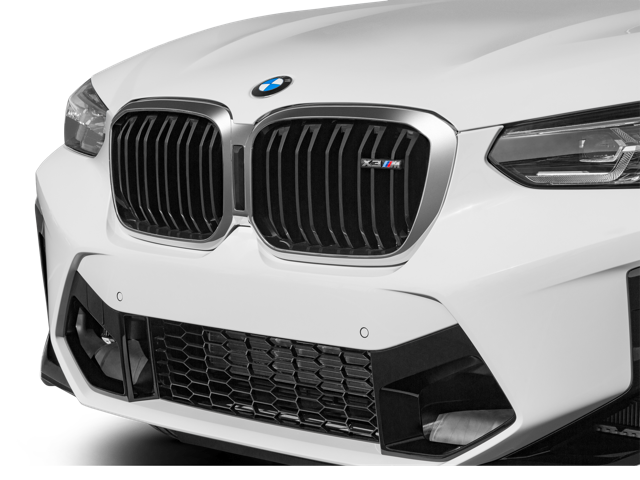
BMW X3

The BMW X3 is a compact luxury crossover SUV with a sporty character and good interior space. BMW calls it a sports activity vehicle (SAV) in an attempt to differentiate it from a typical SUV. It’s offered with turbocharged four-cylinder or six-cylinder engines, and it has historically offered a high-performance X3 M model for those who want to carve canyons or win stoplight drag races. The X3 enhances its premium standing with advanced driver-assist and interior technology.
Explore the evolution of the BMW X3
Get our expert take on used BMW X3 models, or view year-by-year changes.

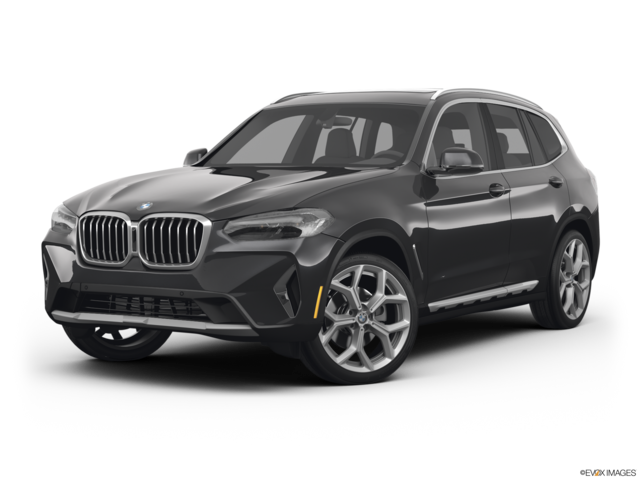

Fourth generation BMW X3
The fourth-generation BMW X3 arrives with more technology and a smooth-sided design that borrows from the company’s electric iX SUV. The new X3 sports a wider track and a stiffer platform to improve upon its already excellent handling.
BMW offers two turbocharged engines, a 2.0-liter four-cylinder and a 3.0-liter inline six-cylinder, both with 48-volt mild hybrid technology, both with strong power, and both hooked to an eight-speed automatic transmission. Fuel economy is impressive given the X3’s power, topping out at an EPA-estimated 29 mpg combined for the four-cylinder, but the six-cylinder isn’t far behind at 27 mpg combined. All-wheel drive comes standard, denoted by BMW with the xDrive suffix in the model name. Rear-wheel-drive sDrive models may return.
Inside, the X3 has a 12.3-inch digital instrument cluster and a 14.9-inch touchscreen with over-the-air update capability. The X3 boasts sufficient space for five passengers and plenty of cargo room.
Available driver-assist technology is plentiful and includes automatic emergency braking, blind-spot monitoring, adaptive cruise control, lane-keeping assistance, parking sensors, automatic parking, and a system that handles the steering, throttle, and brake controls in traffic jams.
Model highlights
Standard 48-volt mild hybrid technology
Standard all-wheel drive
Choice of two turbocharged engines
12.3-inch and 14.9-inch interior screens
Third generation BMW X3
The third-generation X3 grew slightly in wheelbase and width but kept its sporty character.
Once again the X3 was powered by a turbocharged four-cylinder or an inline six-cylinder engine, as well as an eight-speed automatic transmission. It initially came standard only with all-wheel drive, but a rear-wheel-drive sDrive model was added for 2019. The six-cylinder came in the M40i model, the first M Performance model in the X3 lineup.
BMW added a full X3 M for the 2020 model year. It used a version of the turbocharged inline-six with up to 503 horsepower, and it came with additional performance features to delight enthusiasts who might even take it to a track. For 2020 and 2021, BMW offered a plug-in hybrid model with 18 miles of electric range.
Inside, BMW initially offered either a 6.5-inch or a 10.25-inch infotainment touchscreen, and the larger screen became standard in 2022. A 12.3-inch digital instrument cluster was also available.
Model highlights
Longer wheelbase, gesture controls, 10.25-inch touchscreen (added for 2018)
Rear-wheel-drive model (added for 2019)
High-performance X3 M model (added for 2020)
Plug-in hybrid model (added for 2020; dropped in 2022)
Mild exterior update and larger screens (added for 2022)
Second generation BMW X3
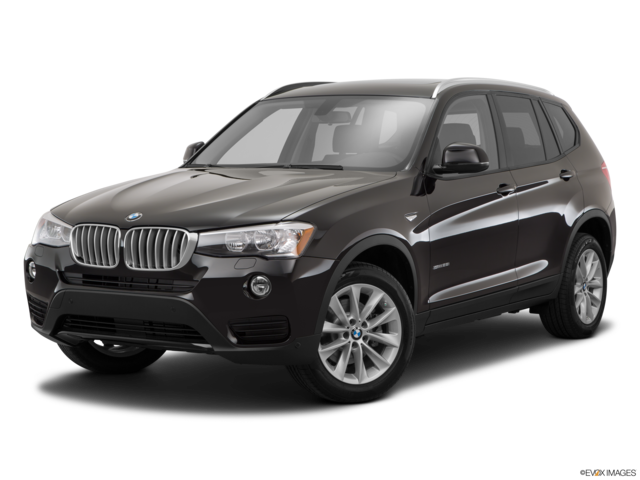
After a successful first generation, the second-generation X3 hit dealers as a 2011 model with a larger footprint that made it almost as big as the initial midsize X5. That gave it more room for passengers and their cargo, which is the X3’s real job despite BMW’s sporty reputation.
The X3 initially came with a choice of 3.0-liter inline-six engines, one naturally aspirated and one turbocharged to make 300 horsepower, and both mated to an eight-speed automatic transmission. A turbocharged 2.0-liter four-cylinder replaced the base inline-six for 2013. Along with revised exterior styling, a diesel engine arrived for 2015 and delivered fuel economy of 30 mpg combined, according to the EPA
. That was six mpg better than the base engine and nine mpg better than the uprated engine. BMW also offered the X3’s first rear-wheel-drive model for 2015.Model highlights
Larger second generation was better for families
Turbocharged 2.0-liter four-cylinder (added for 2013)
Lane departure warning system (available for 2013)
Diesel engine (added for 2015)
Blind-spot monitoring (available for 2015)
Changes by year
Latest generation from 2025 - present
2025 BMW X3
Highlights
Redesigned for 2025 with smoother styling
Stiffer platform
More power and efficiency for turbo-four and turbo-six engines
Updated infotainment software
Larger and roomier
Learn more
Previous generation from 2018 - 2024
2024 BMW X3
2023 BMW X3
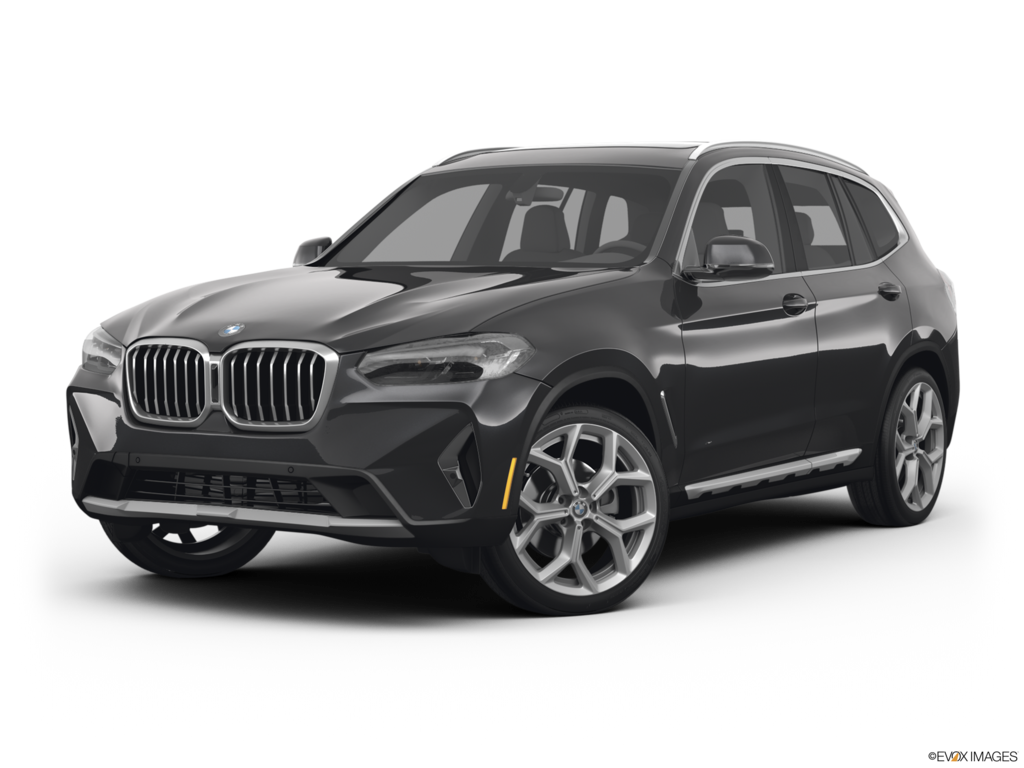
2022 BMW X3
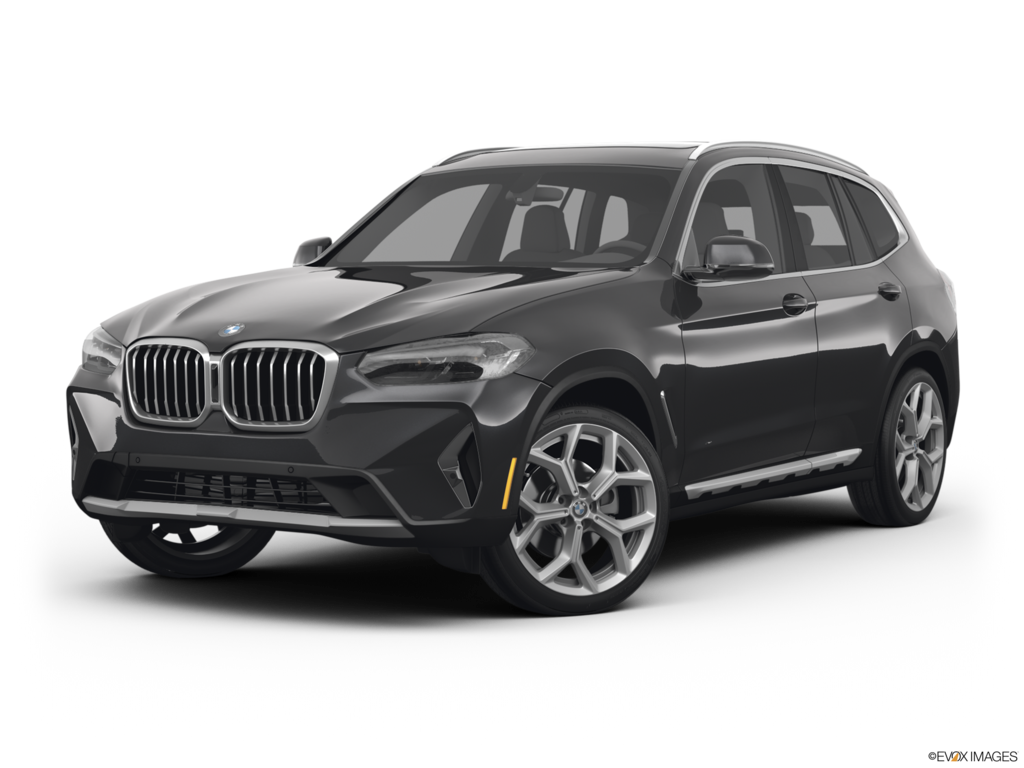
Highlights
Revised front and rear styling
Turbo six-cylinder engine gained 48-volt mild hybrid system
Turbo-six model added adaptive dampers
New 10.25-inch touchscreen standard and 12.3-inch version available
Plug-in hybrid model dropped
Learn more
2021 BMW X3
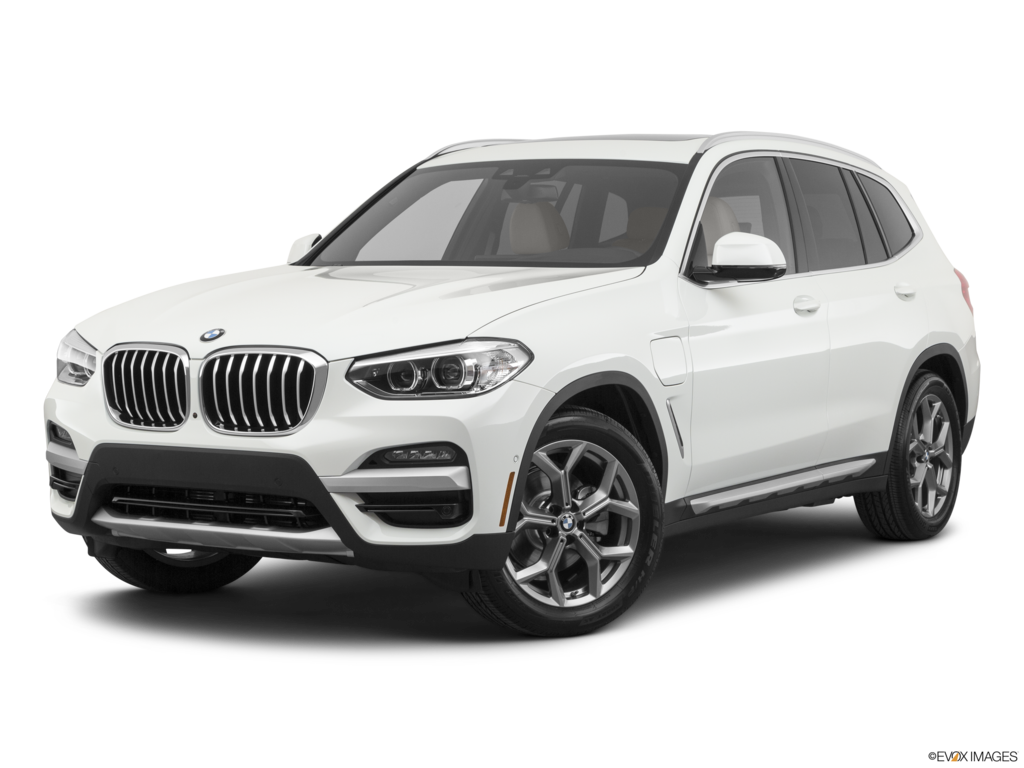
Highlights
Many driver-assist features made standard
Android Auto™ finally available
More standard features
Competition trim made a package
Learn more
2020 BMW X3
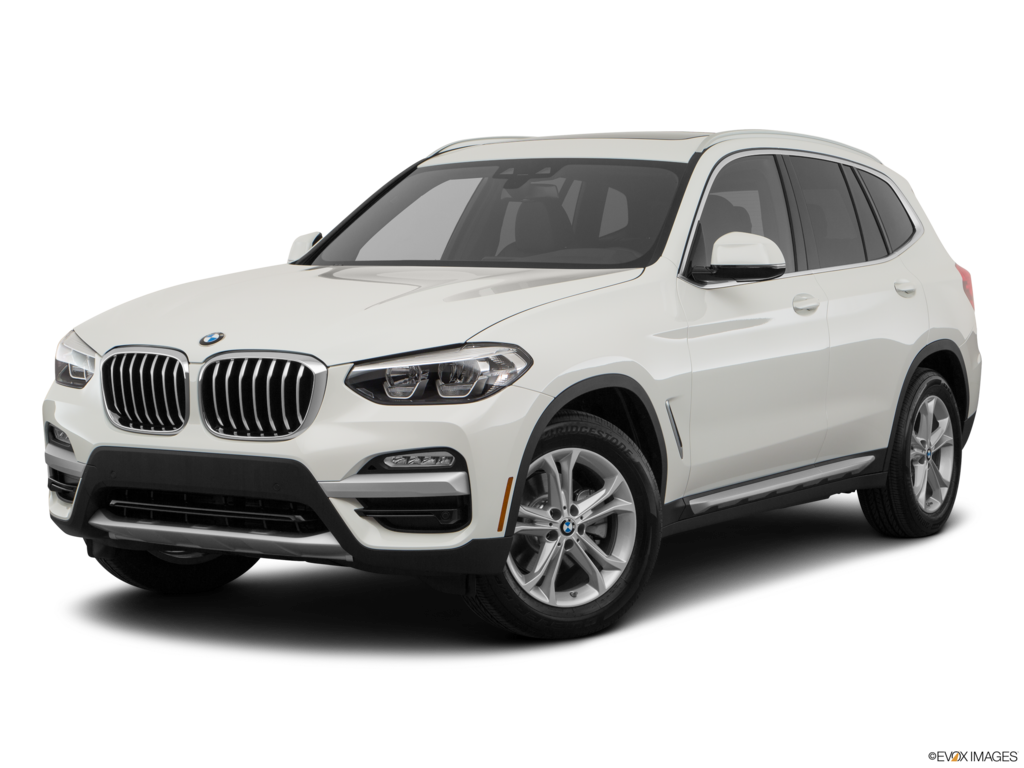
Highlights
High-performance X3 M model added
Plug-in hybrid model added
Navigation system became standard on all models
Learn more
2019 BMW X3
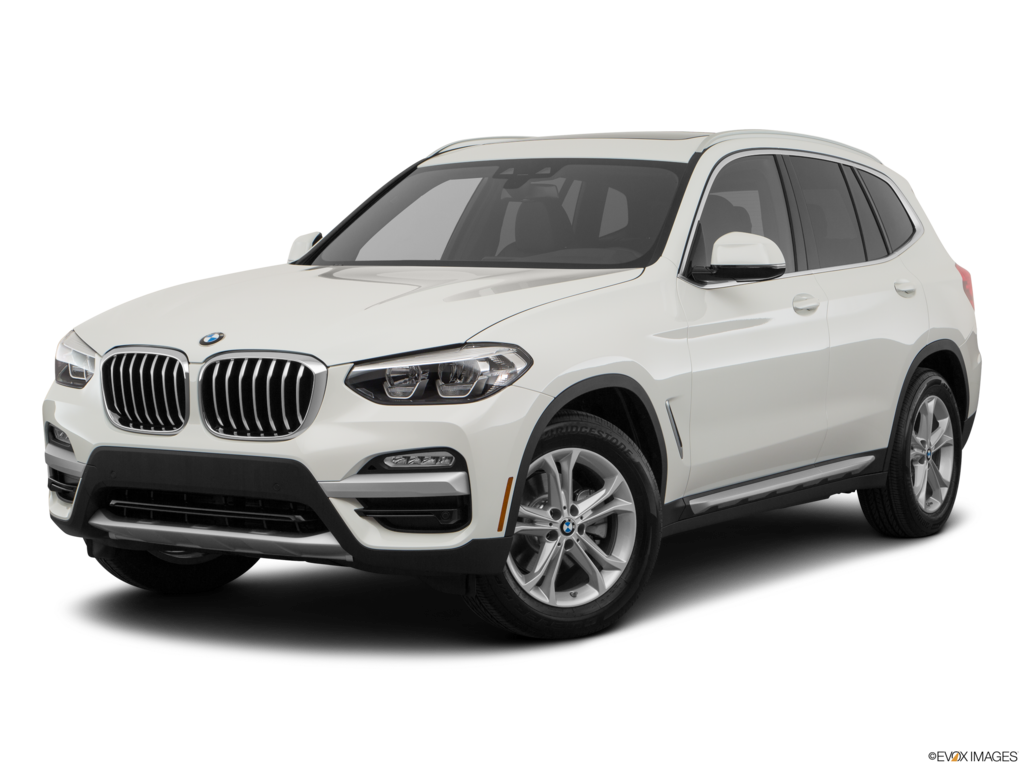
Highlights
Rear-wheel-drive base model joined the lineup
Multiple driver-assist features became standard
Learn more
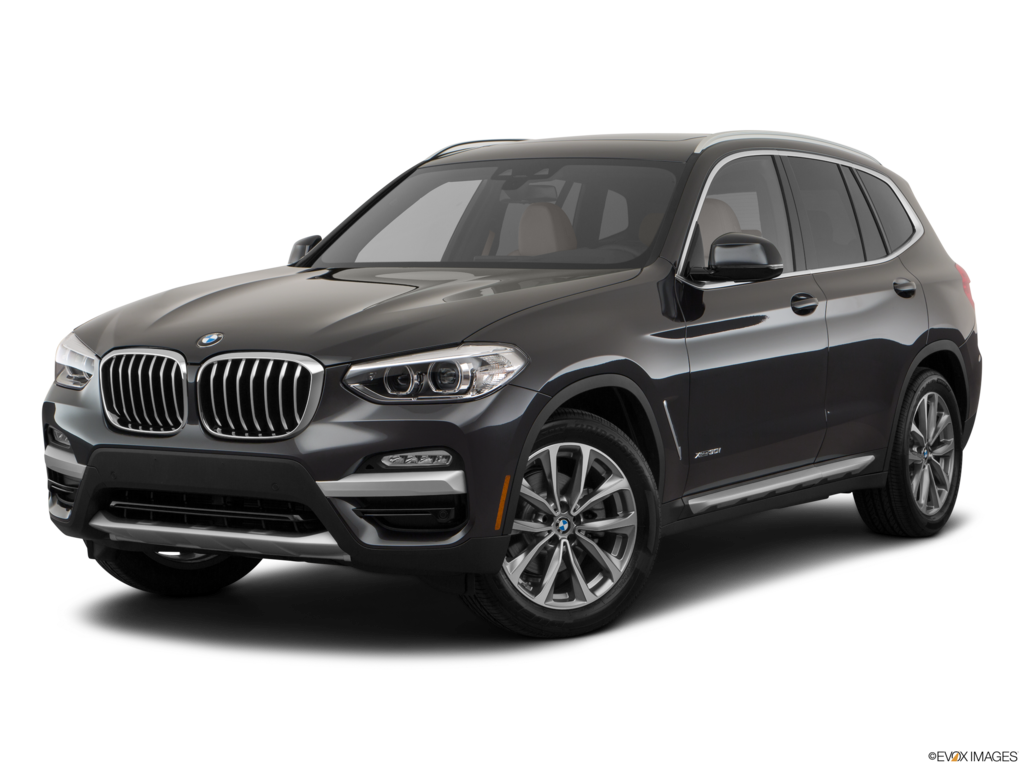
2018 BMW X3
Highlights
All-new for 2018 with evolutionary styling
Longer wheelbase and wider provided more interior space
Turbo four-cylinder and six-cylinder engine options
Newly available 10.25-inch touchscreen
New 12.3-inch digital instrument cluster available
Learn more
Previous generation from 2011 - 2017
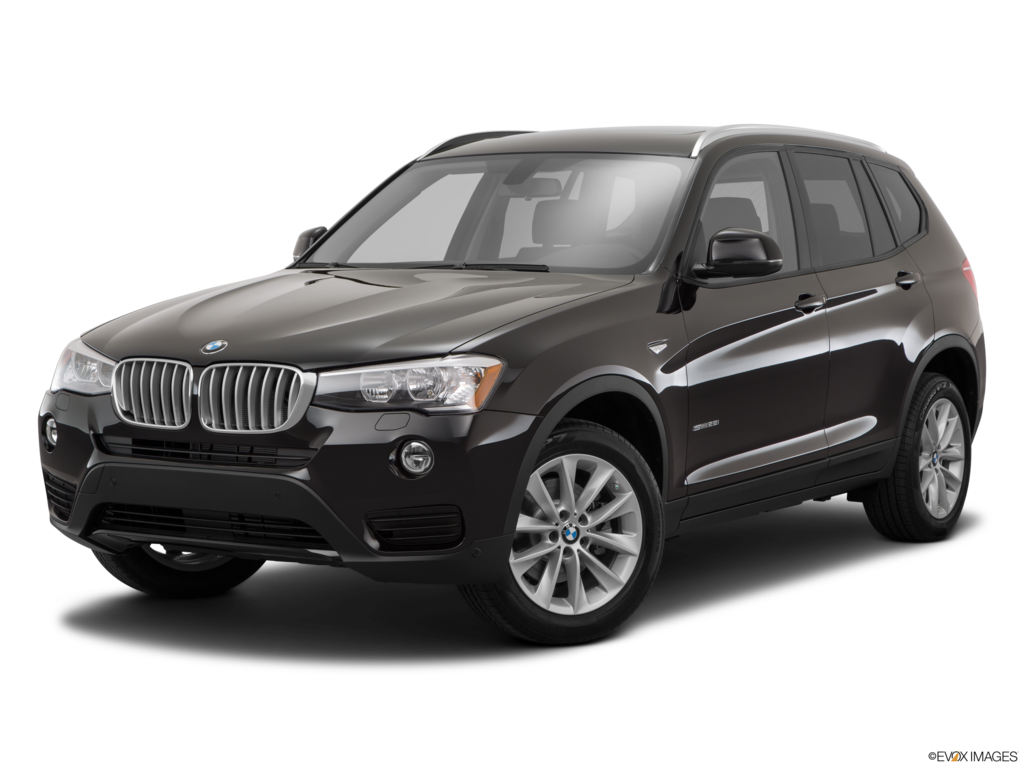
2017 BMW X3
Highlights
Wireless phone charging and Wi-Fi hotspot available
Updated infotainment software
Six-cylinder model newly standard with satellite radio and keyless start and entry
Learn more
2016 BMW X3
Highlights
Six-cylinder model got a standard 16-speaker Harman Kardon® audio system
Learn more
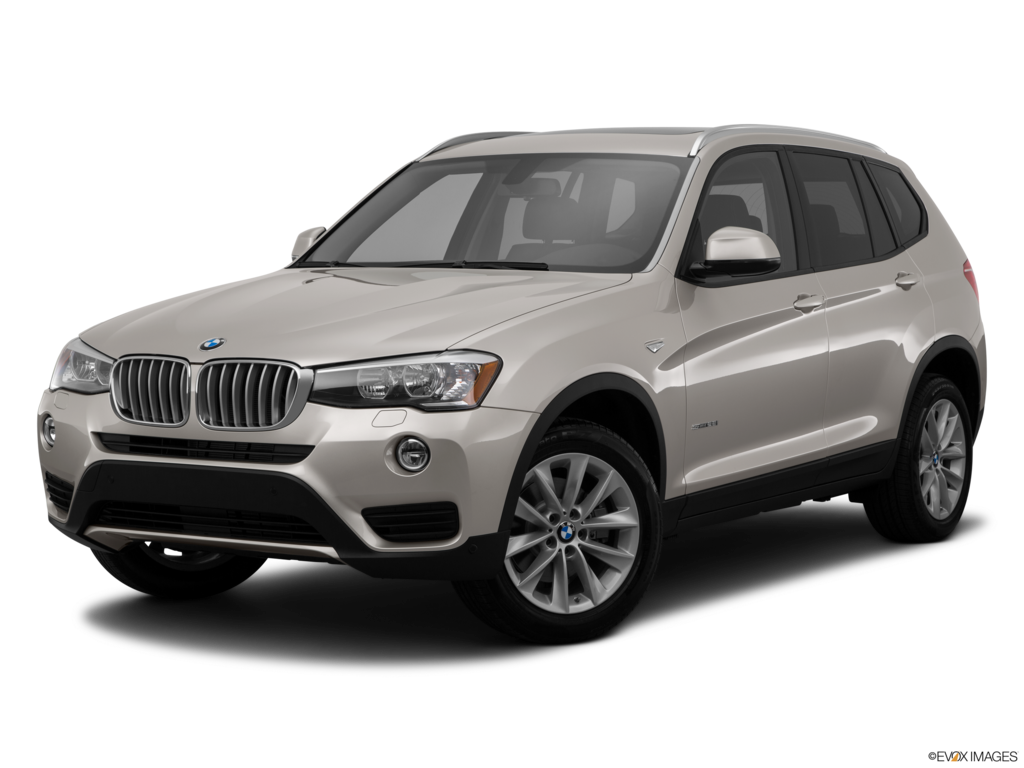
2015 BMW X3
Highlights
Front-end styling updated
Diesel engine added
Blind-spot monitoring available
Rear-wheel-drive version debuts
Learn more
Looking for 2013 models or older?
CarMax only sells 2014 models and newer. But no matter the year, we'll happily buy your car.
Reliability
RepairPal gave the BMW X3 an overall reliability rating of 3 out of 5 stars, which RepairPal describes as Average. This rating ranks BMW X3 16th out of 18 among Luxury Compact SUVs.
RepairPal reports that the average total annual cost for repairs and maintenance on a BMW X3 is $741, compared to an average of $599 for Luxury Compact SUVs and $591 for all the vehicles RepairPal considered in its dataset.
According to RepairPal, BMW X3 owners bring their vehicles into a repair shop for unscheduled repairs an average of 1.7 times per year, compared to an average of 1.2 times for Luxury Compact SUVs and 1.3 times for all the vehicles RepairPal considered in its dataset.
RepairPal reported that the probability of a repair being a severe or major issue is 14% for the BMW X3, compared to an average of 10% for Luxury Compact SUVs and 14% for all the vehicles RepairPal considered in its dataset.
Kirk Bell has been an automotive journalist since 2001, doing stints at Motor Authority, MSN Autos, and Consumer Guide. He's currently a freelance journalist with an interest in luxury and performance cars.
We hope you found this information helpful. This content is intended to inform and is not meant to provide legal, financial or investment advice. We make every effort to provide accurate information, but please verify before transacting and consider talking to a qualified professional about your unique circumstances.
Statements of fuel economy or EV range are based on EPA and other third-party estimates for vehicles when new. Fuel economy and EV range will degrade with time and vary based on age, driving conditions, vehicle history, and other conditions. See fueleconomy.gov for more info.
Editorial content contained on this page comes from Edmunds.com, Inc., a subsidiary of CarMax Enterprise Service, LLC, and information related to featured vehicles comes from third-party sources, including manufacturer information. Product and company names may be trademarks or registered trademarks of third-party entities. Use of them does not imply any affiliation with or endorsement by these entities. By clicking on any video links, you will be taken to a third-party site maintained by YouTube, Inc.