
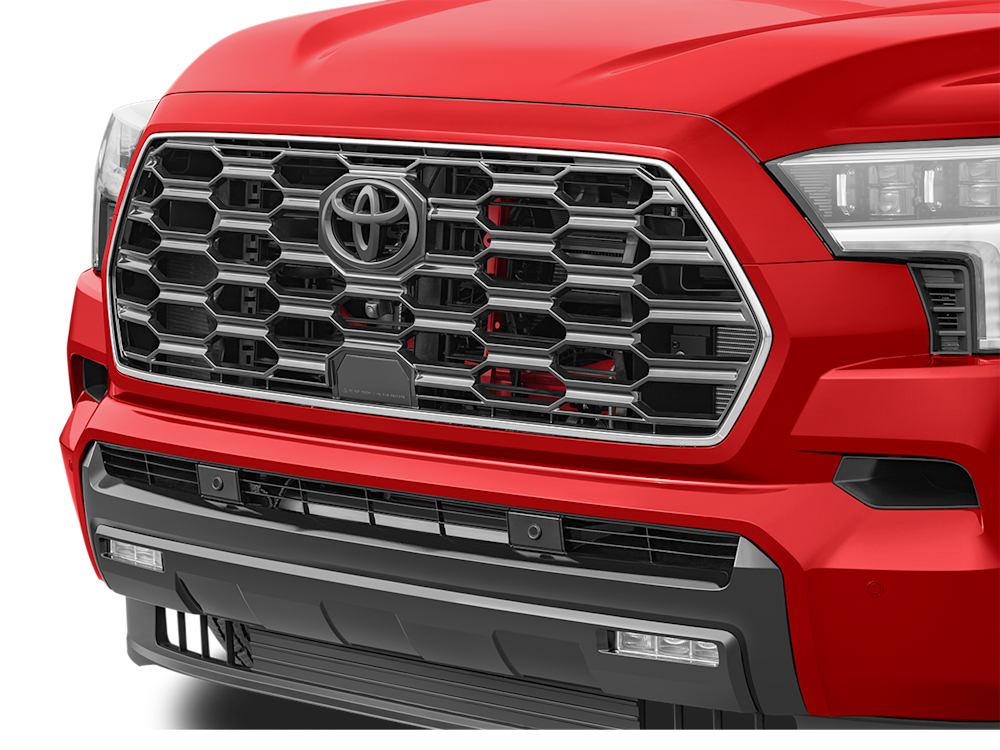
Toyota Sequoia

Just a few years into its third generation, the Toyota Sequoia receives a number of enhancements for the 2025 model year. Available exclusively with a powerful hybrid powertrain, the Sequoia offers a spacious cabin featuring three rows of seats, plenty of cargo space, and the ability to tow more than 9,500 pounds when properly equipped. Various factors may impact towing capacity, including weight of passengers, cargo, and options/accessories. The 2025 Sequoia is available for the first time as the 1794 trim. This special Sequoia stands out with 20-inch wheels, American walnut wood decor, and leather-trimmed seats with heating, ventilation, and massage functions. Also new for 2025 is the Tow Tech package with a Wi-Fi trailer camera.
Explore the evolution of the Toyota Sequoia
Get our expert take on used Toyota Sequoia models, or view year-by-year changes.
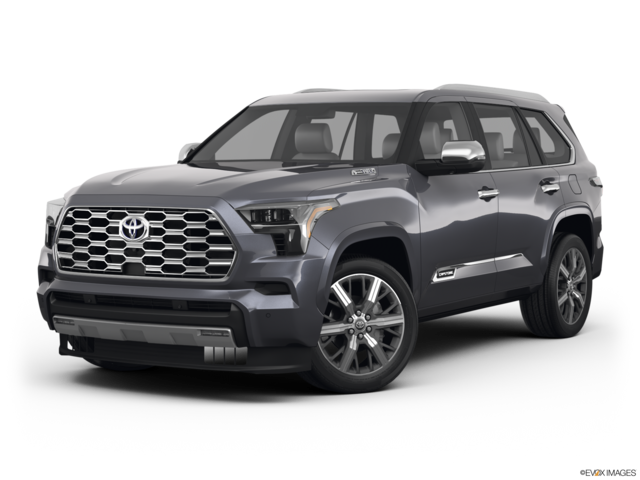

Third generation Toyota Sequoia
The third-generation Toyota Sequoia arrived just one year after the updated Toyota Tundra pickup truck, with the two vehicles sharing most of their underpinnings and many design elements. Measuring about three inches longer than the outgoing version, the updated Sequoia benefits from more cargo space, but legroom in the second and third rows drops slightly compared to the outgoing model. Opting for second-row captain’s chairs provides a roomier experience, and the third row can slide forward or back to prioritize people or cargo.
With the new generation, the Sequoia discontinued its V8 engine in favor of a more efficient and powerful twin-turbo V6 hybrid powertrain. Teamed with a new 10-speed automatic transmission, the updated Sequoia came standard with rear-wheel drive and offered the option of part-time four-wheel drive. The new powertrain increased towing capacity to 9,520 pounds–a significant jump from the previous generation.
Model highlights
New hybrid powertrain
V8 engine discontinued
Increased towing capability
Luxurious 1794 version (added in 2025)
Toyota Safety Sense™ 2.5 suite of driver aids standard
Available TRD Off-Road package
Second generation Toyota Sequoia
As it did with the third generation, the 2008 through 2022 Toyota Sequoia shared a platform with the new Tundra that debuted a year earlier. The updated Sequoia was considerably larger than its predecessor, with a longer wheelbase and wider stance. Seating was still available for up to eight, and newly available captain’s chairs in the second row added flexibility for families prioritizing comfort over capacity. Both rows of seats could be folded flat, providing a massive 120 cubic feet of cargo space.
The 4.7-liter V8 carried over from the previous generation, but higher trim levels offered a new 5.7-liter V8 that bumped output by more than 100 horsepower. In 2010, the 4.7-liter V8 was replaced by a new 4.6-liter V8 with more power and better fuel efficiency. The larger V8 gave the Sequoia a towing capability of 9,100 pounds with rear-wheel drive when properly equipped. Toyota also offered the new generation Sequoia with its Adaptive Variable Suspension for improved drivability both on- and off-road.
Model highlights
Larger 5.7-liter V8 available
TRD Pro trim (added in 2020)
New seven-inch touchscreen with Apple CarPlay®/Android Auto™ (added in 2020)
Available second-row captain’s chairs
Automatic emergency braking standard (added in 2018)
Changes by year
Latest generation from 2023 - present
2025 Toyota Sequoia
Highlights
1794 trim is added to lineup
Wi-Fi trailer camera available with Tow Tech package
Learn more
2024 Toyota Sequoia
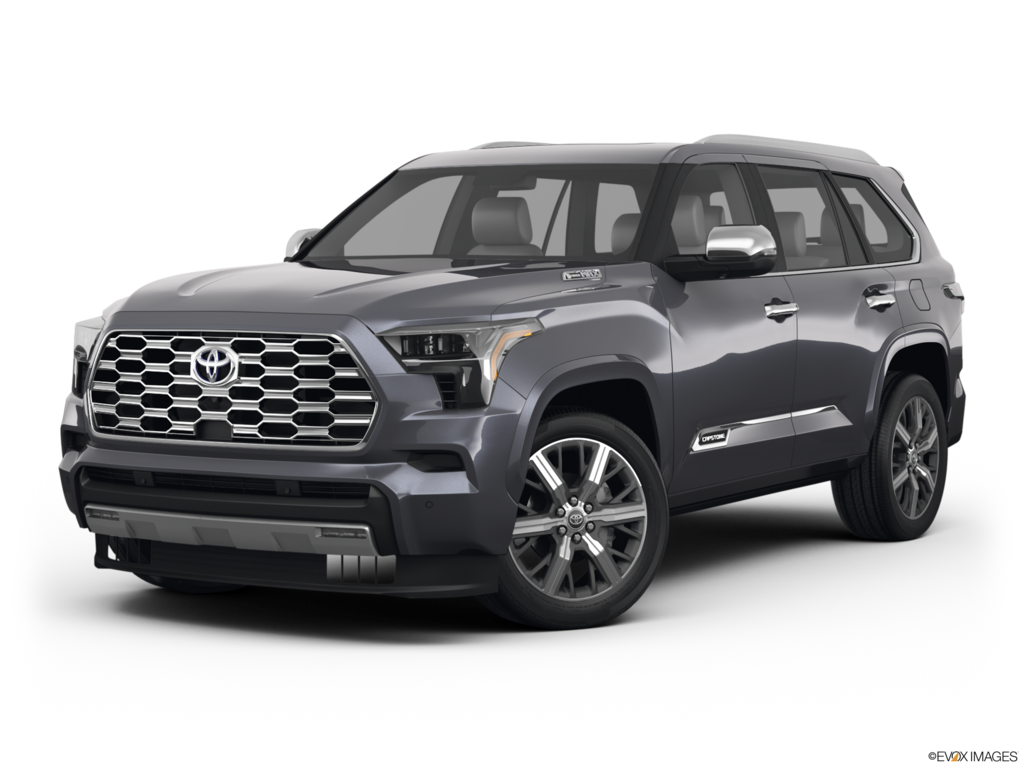
2023 Toyota Sequoia
Previous generation from 2008 - 2022
2022 Toyota Sequoia
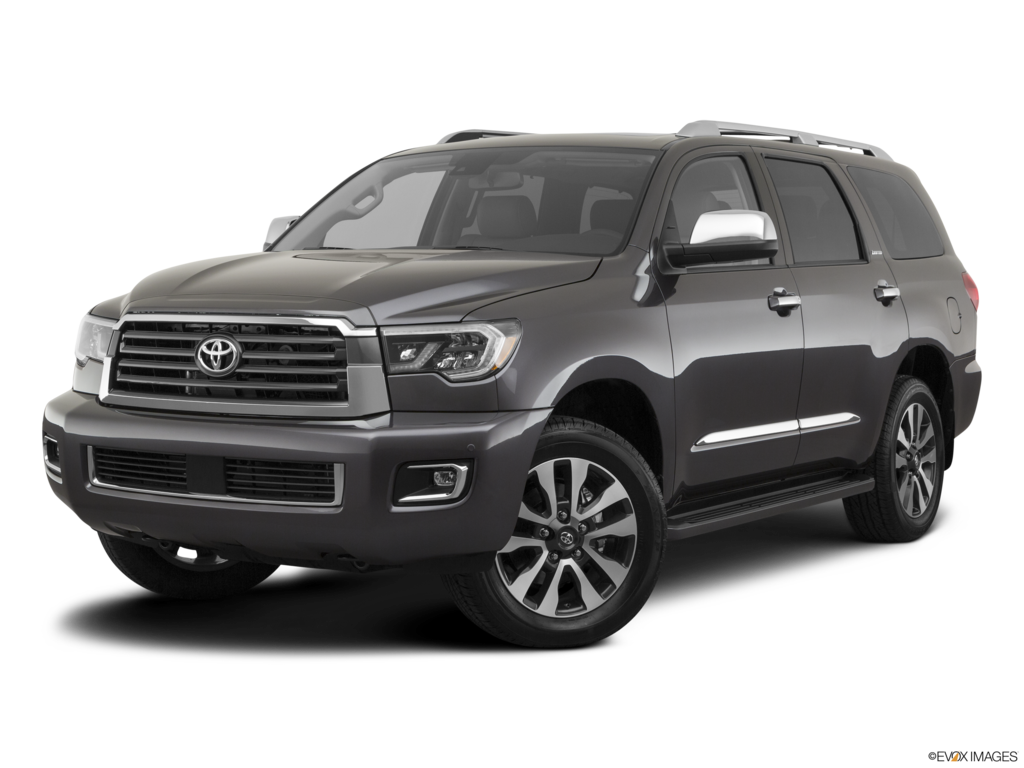
2021 Toyota Sequoia
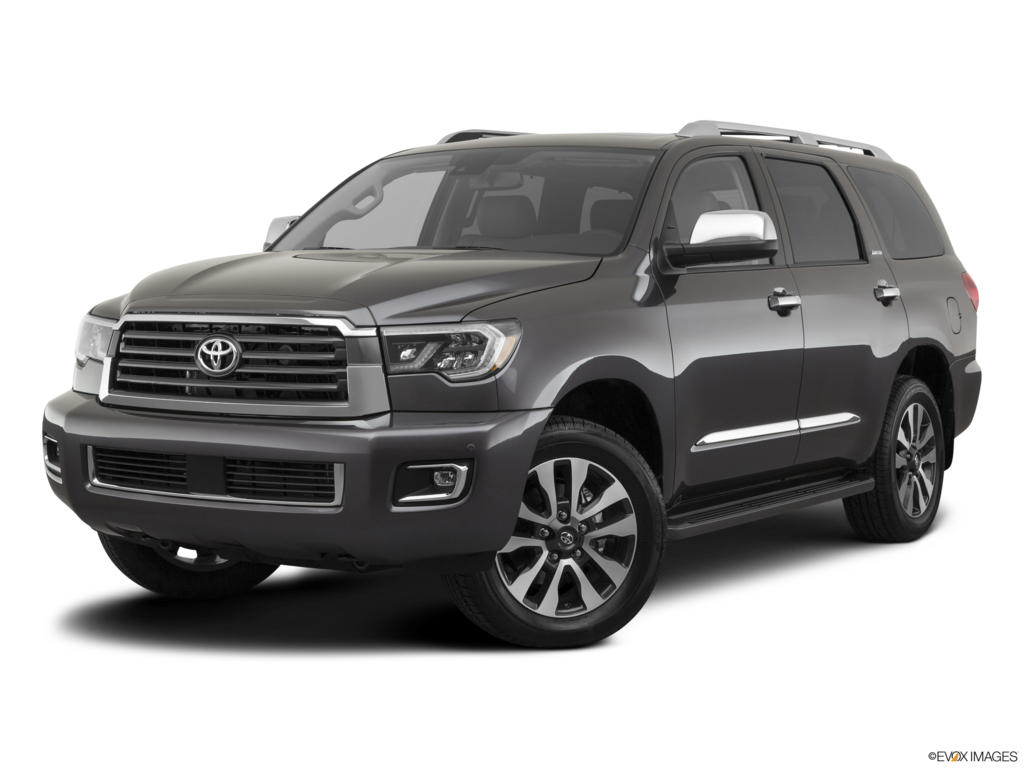
2020 Toyota Sequoia
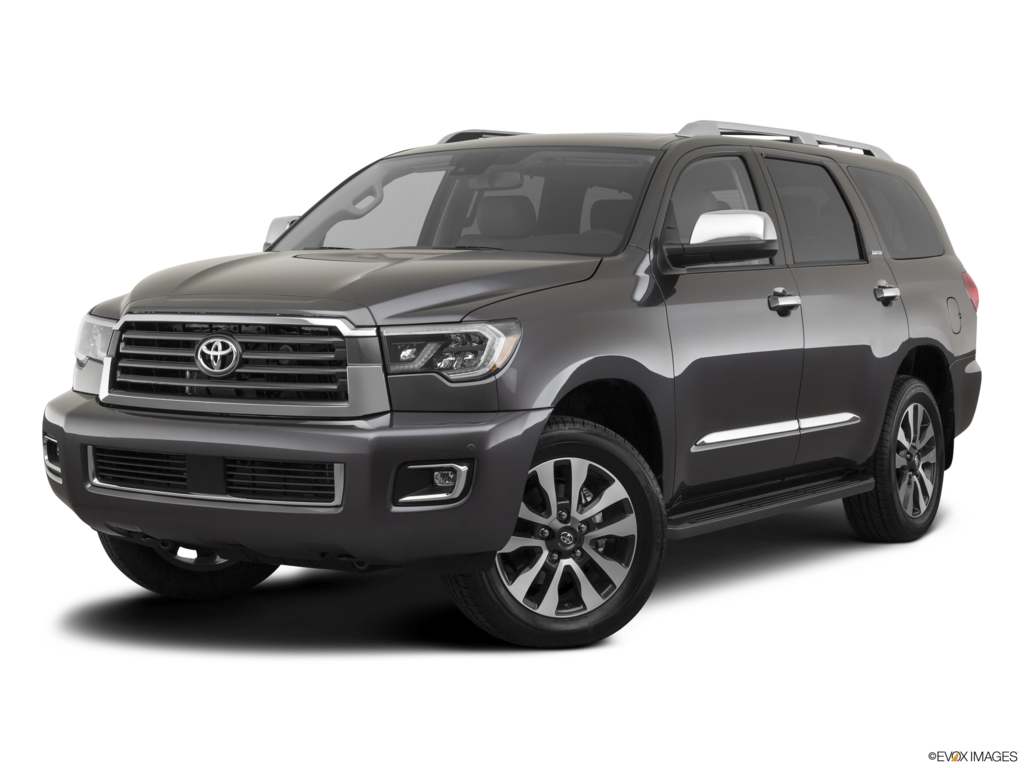
Highlights
New TRD Pro trim
New seven-inch touchscreen display
Apple CarPlay®/Android Auto™ available
Learn more
2019 Toyota Sequoia
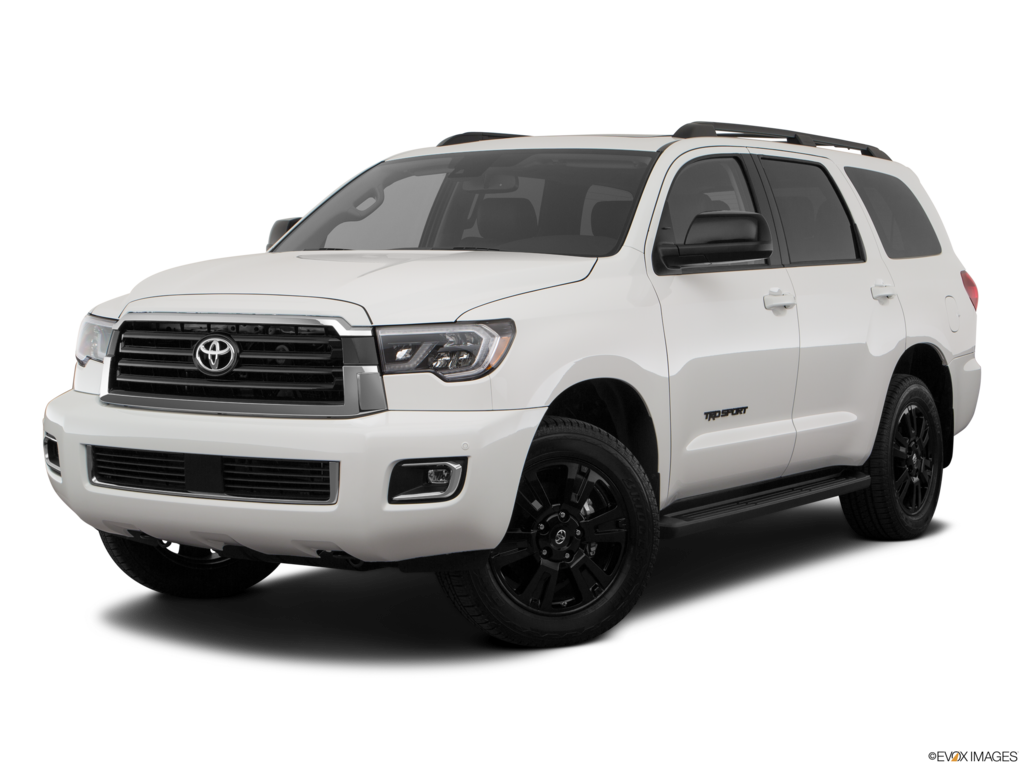
2018 Toyota Sequoia
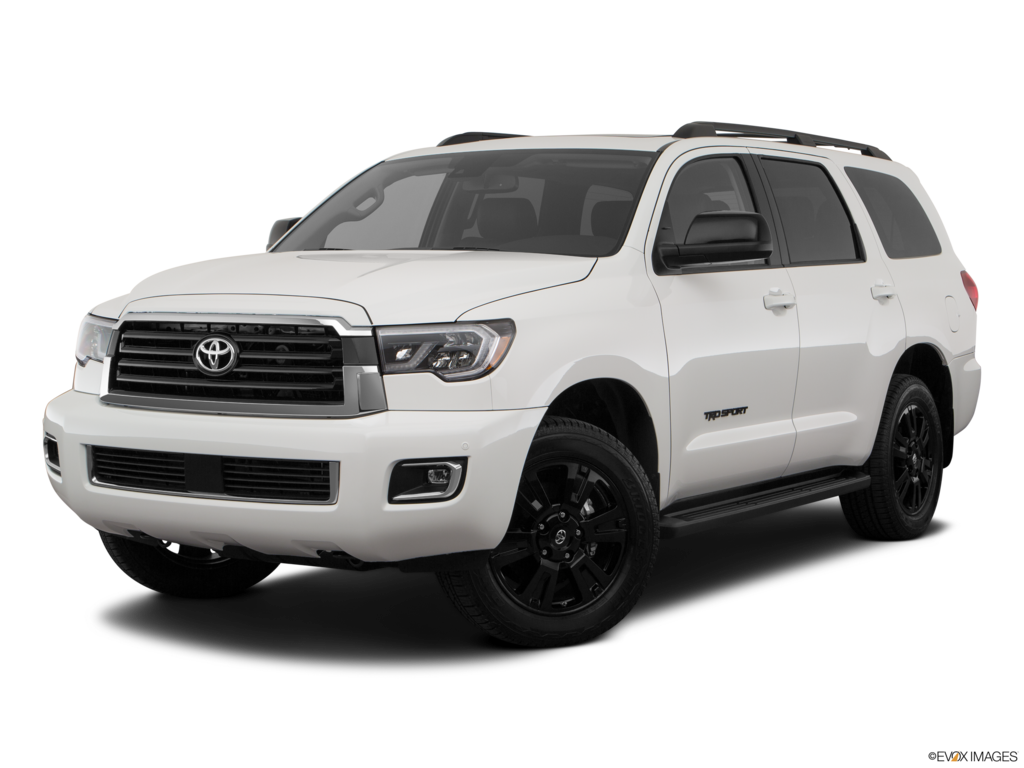
Highlights
New TRD Sport trim
Light refresh inside and out
Standard automatic emergency braking
Learn more
2017 Toyota Sequoia
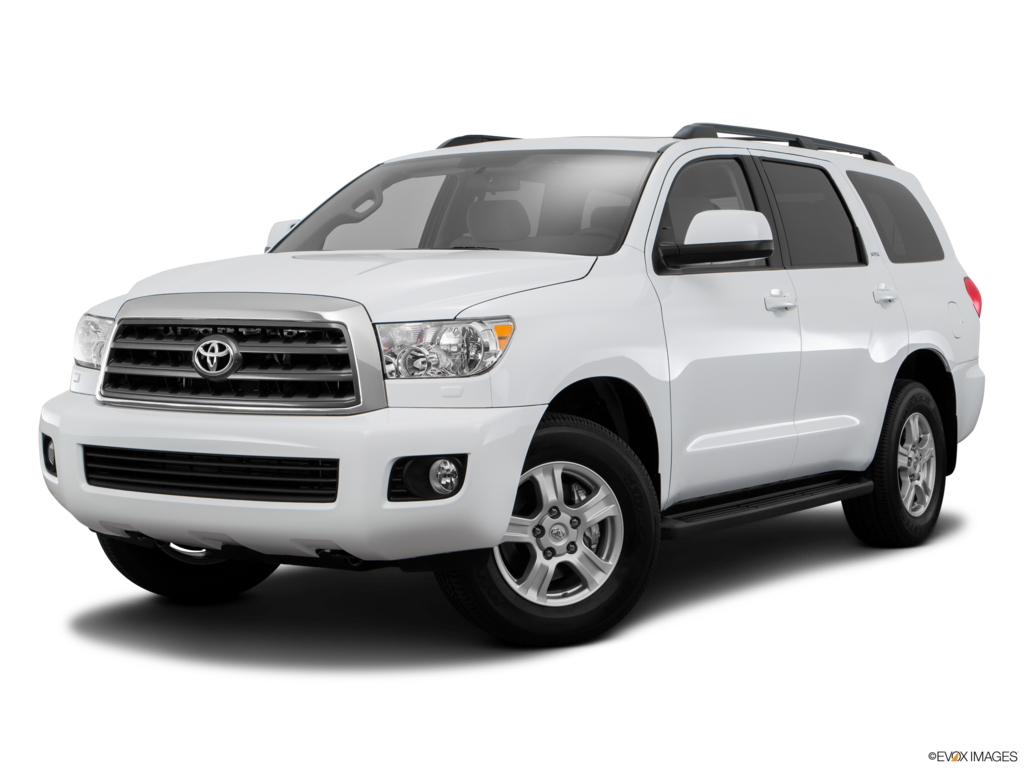
2016 Toyota Sequoia
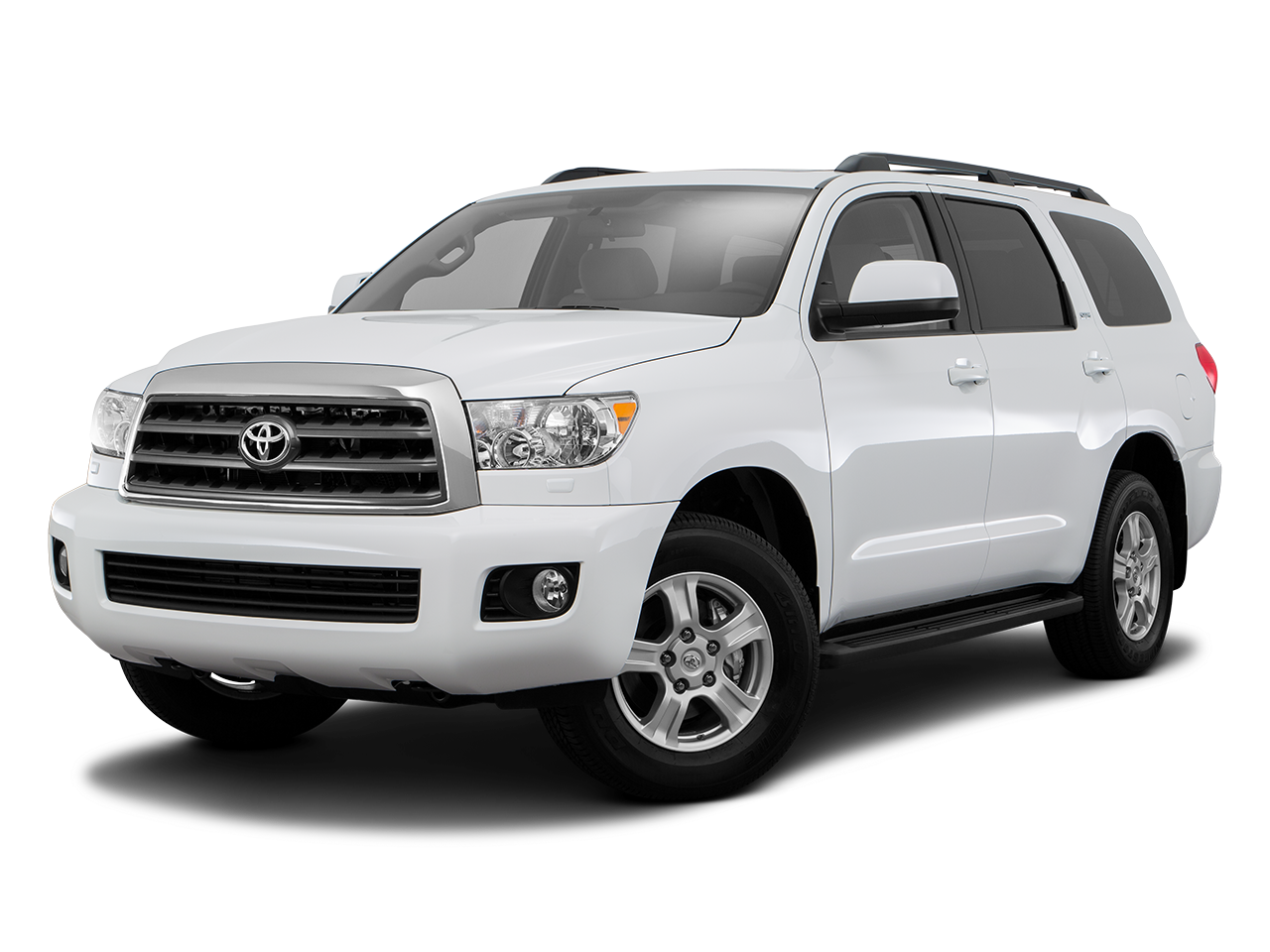
2015 Toyota Sequoia
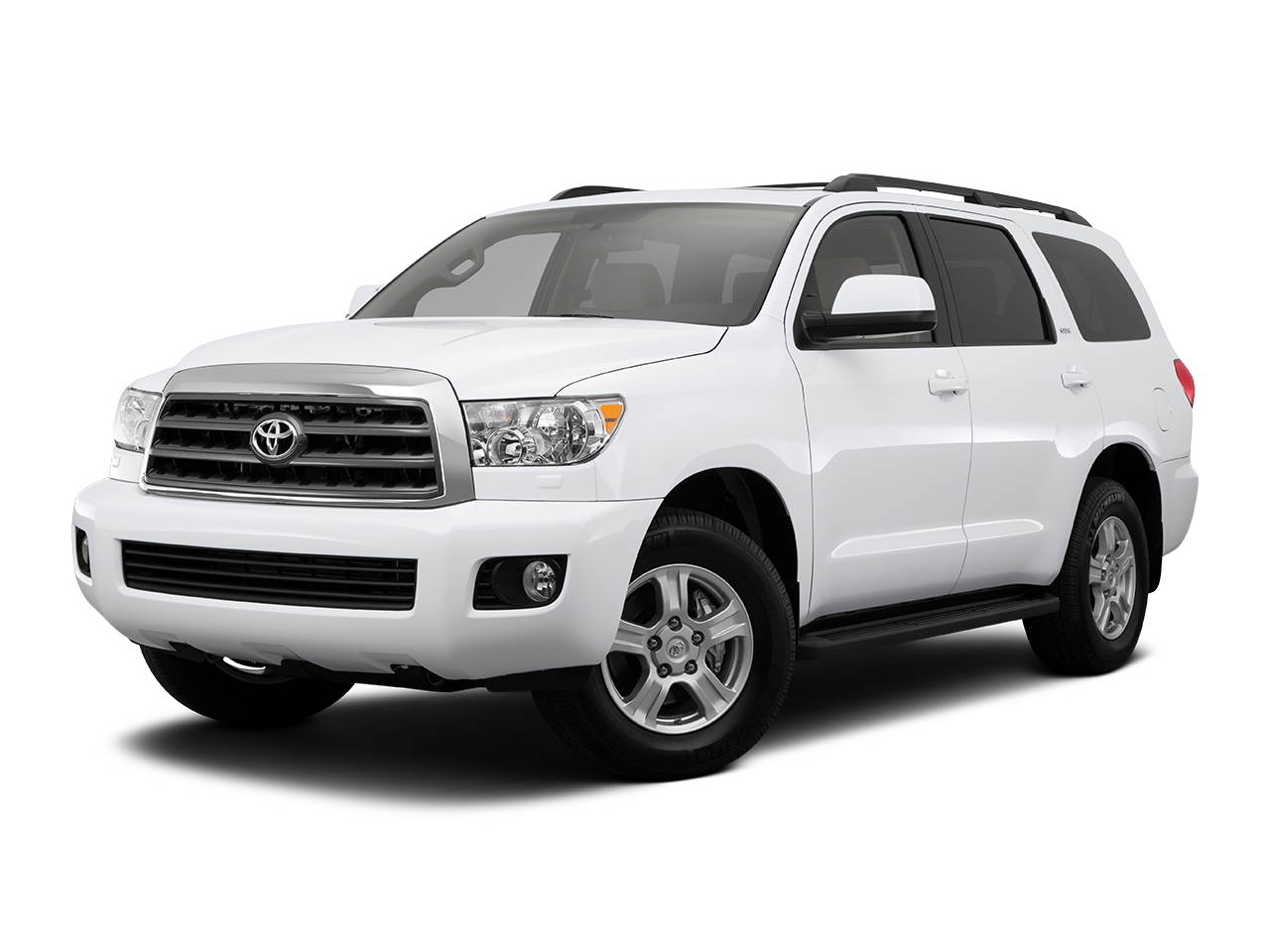
2014 Toyota Sequoia
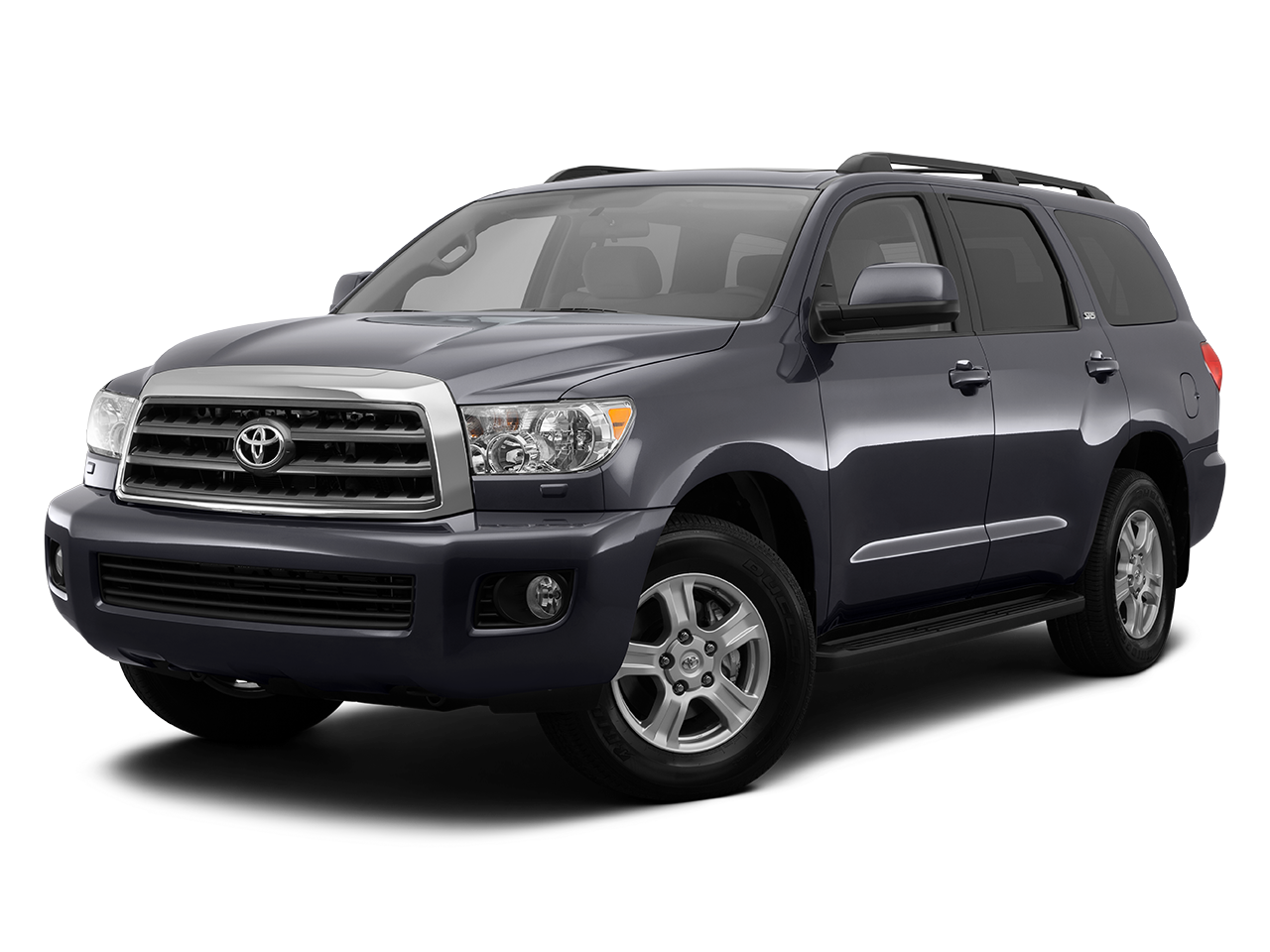
2013 Toyota Sequoia
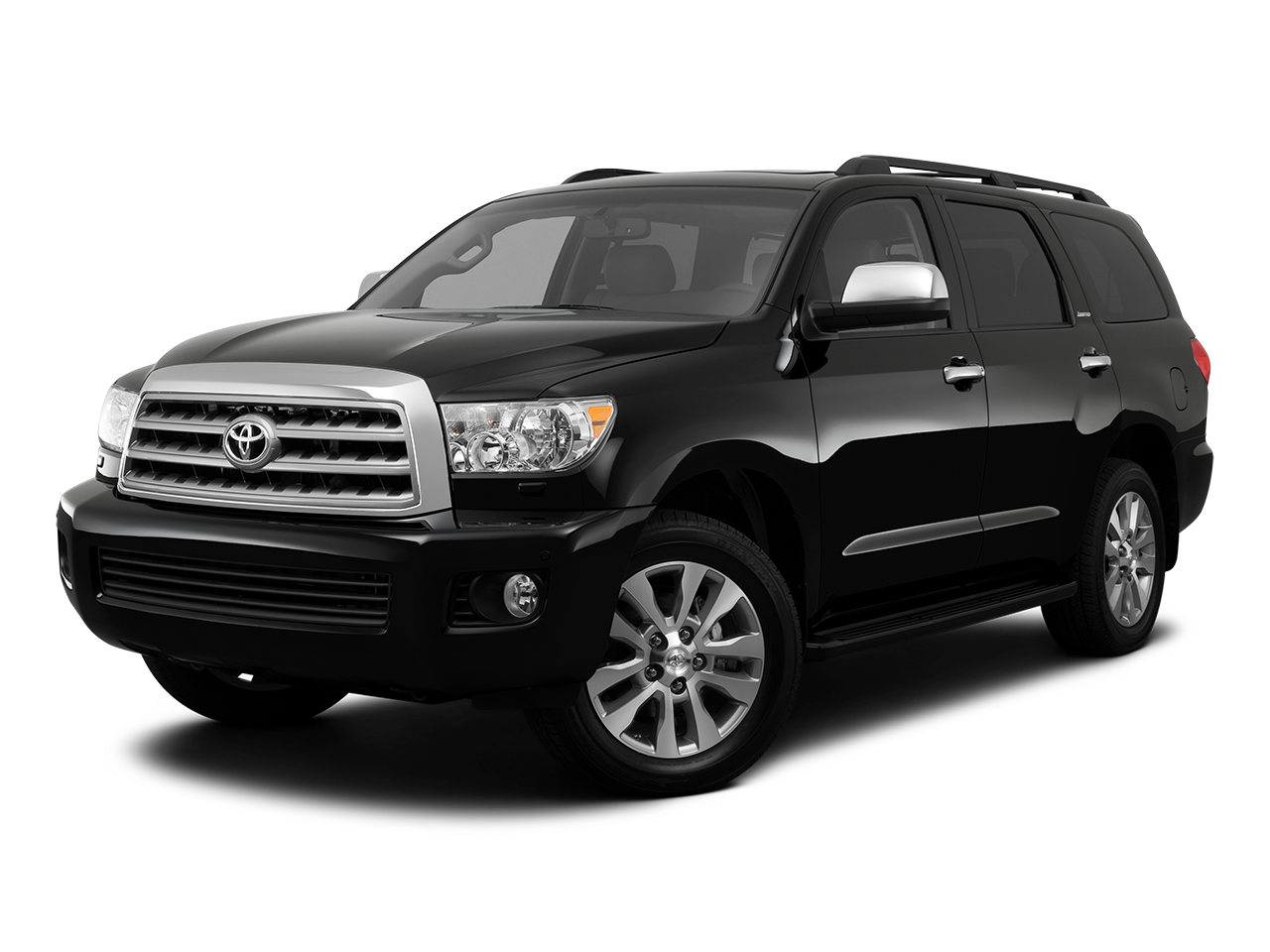
Highlights
Smaller base V8 engine discontinued
Available Blu-ray™ rear-seat entertainment system
Learn more
2012 Toyota Sequoia
2011 Toyota Sequoia
2010 Toyota Sequoia
Highlights
More powerful base-level V8 engine
Standard Bluetooth® and iPod integration
Learn more
2009 Toyota Sequoia
2008 Toyota Sequoia
Looking for 2013 models or older?
CarMax only sells 2014 models and newer. But no matter the year, we'll happily buy your car.
Reliability
RepairPal gave the Toyota Sequoia an overall reliability rating of 3.5 out of 5 stars, which RepairPal describes as Above Average. This rating ranks Toyota Sequoia 7th out of 16 among Fullsize SUVs.
RepairPal reports that the average total annual cost for repairs and maintenance on a Toyota Sequoia is $605, compared to an average of $608 for Fullsize SUVs and $591 for all the vehicles RepairPal considered in its dataset.
According to RepairPal, Toyota Sequoia owners bring their vehicles into a repair shop for unscheduled repairs an average of 1.5 times per year, compared to an average of 1.4 times for Fullsize SUVs and 1.3 times for all the vehicles RepairPal considered in its dataset.
RepairPal reported that the probability of a repair being a severe or major issue is 15% for the Toyota Sequoia, compared to an average of 18% for Fullsize SUVs and 14% for all the vehicles RepairPal considered in its dataset.
Perry Stern has been writing about cars for almost 30 years and has been an enthusiast for much longer than that. Contributing to multiple automotive publications, Perry drives almost every new car on the market, ranging from base-level Kias to exotic high-performance Lamborghinis. But his favorite is still the 2006 Mazda Miata parked in his garage.
We hope you found this information helpful. This content is intended to inform and is not meant to provide legal, financial or investment advice. We make every effort to provide accurate information, but please verify before transacting and consider talking to a qualified professional about your unique circumstances.
Statements of fuel economy or EV range are based on EPA and other third-party estimates for vehicles when new. Fuel economy and EV range will degrade with time and vary based on age, driving conditions, vehicle history, and other conditions. See fueleconomy.gov for more info.
Editorial content contained on this page comes from Edmunds.com, Inc., a subsidiary of CarMax Enterprise Service, LLC, and information related to featured vehicles comes from third-party sources, including manufacturer information. Product and company names may be trademarks or registered trademarks of third-party entities. Use of them does not imply any affiliation with or endorsement by these entities. By clicking on any video links, you will be taken to a third-party site maintained by YouTube, Inc.