Look beyond the odometer when buying a used car
With thousands of vehicles in our inventory, we’re here to help make car research easier for you. We’ve partnered with car-review experts from Edmunds to weigh in on what matters most when you’re looking to buy a truck or car.
***
Article Summary:
Mileage isn’t everything
A high odometer reading isn’t automatically a dealbreaker. How a car was taken care of is important too.Check the maintenance history
A car with more miles but a solid service record is often a better buy.Vehicle history reports can help
They might not show every repair, but you can get a good picture of what’s been done.Ask a mechanic
A qualified mechanic can spot what a history report can’t.
Narrowing your used car search down by only looking at vehicles with low mileage makes a certain kind of sense. Mileage, along with safety ratings, is often one of the first things people consider when looking at a vehicle. Low mileage means fewer problems and a better used car, right? Well, not always. While mileage is often used as shorthand for a used car's condition, it doesn't give you all the important information you need to know about a vehicle's history. Whether you’re financing your car or paying cash, understanding the full history helps you make a smarter purchase.
Plus, there can be great reasons to consider a higher-mileage car. Maybe you want access to features and options that were only available on an older generation, like manual transmission, which is becoming more rare these days. Or, you're willing to drive a car with more miles in order to get a higher trim.
That’s where a solid maintenance record comes in. Knowing if your prospective purchase has had regular oil changes and other maintenance done on time can outweigh a high odometer reading. Think of it this way: Would you rather have a low-mileage car with a spotty history or one with more miles and an immaculate service record?
Why low mileage matters
Looking at a car’s odometer reading is a go-to tool when trying to assess the quality of a vehicle. Cars, like any other machine, will wear down as they get older and are driven more. So the conventional wisdom says, the fewer miles a car has, the less likely it is to suffer from wear and tear. Most of the time, there's some truth to that.
When mileage can be misleading
Mileage can only tell you how often a vehicle was driven — not how it was maintained. An older, low-mileage car might have sat outside for a long period of time, exposed to the elements. If you live in an area with extreme heat or cold, you know the havoc that kind of exposure can cause. Additionally, letting a car sit too long can actually cause reliability issues. Engine and other seals can dry out, causing oil, brake fluid, or transmission leaks. Cars that sit for long periods of time are also more likely to need radiator work because the coolant hasn’t circulated frequently enough.
Why maintenance matters
That's where maintenance comes in. A car that receives regular maintenance is likely to last longer, so a used car that has hit all its service milestones is often the better choice, even if it has high mileage.
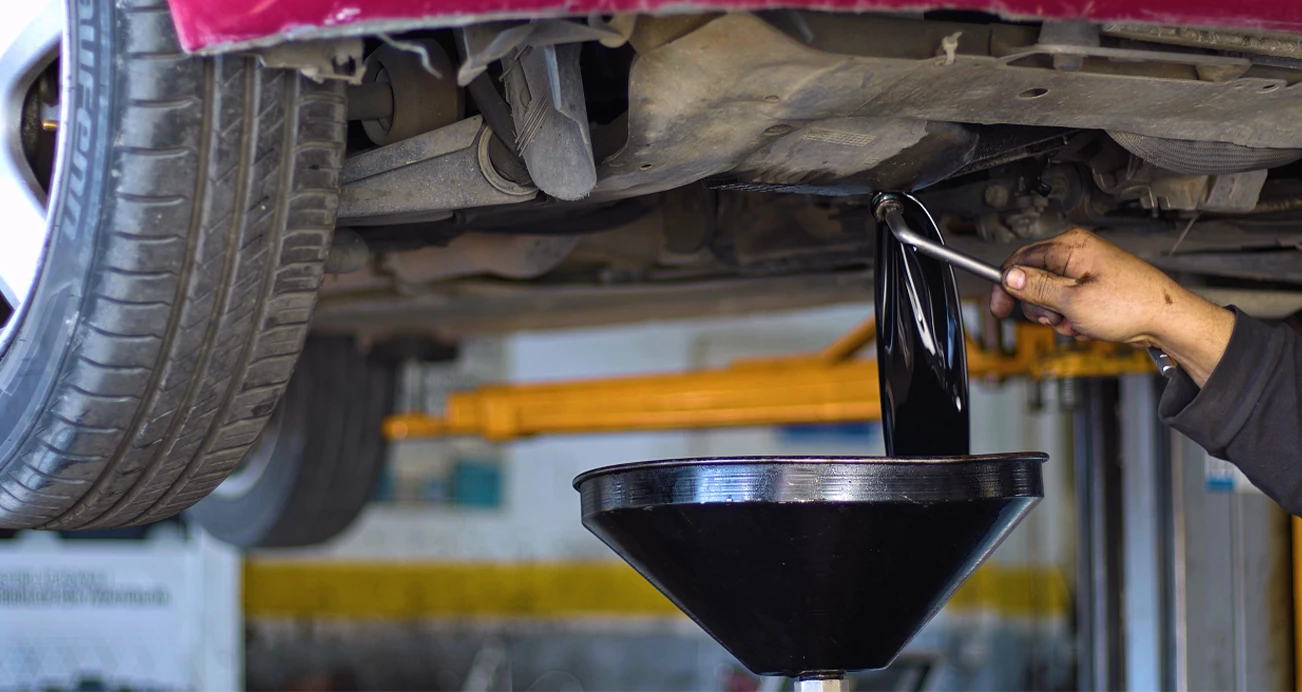
According to S&P Global Mobility, the age of the average car went up to 12.8 years old in 2025, a trend they attribute in part to the durability of modern vehicles. That means wear on components inside the engine, transmission, and elsewhere is less of a concern than it used to be.
What you should check before you buy
Maintenance can't solve everything, of course. Even though cars are generally more durable now, it’s still true that older cars with very high mileage are more likely to suffer problems. If you're shopping, it’s worth learning about a car's major service intervals, such as replacing a timing belt or brake pads. Timing belt replacement, for example, can run $500-$1,000 or more, according to RepairPal. That’s a significant expense to have shortly after buying a car, so it's better to buy a car that's already had that done. Check the manufacturer's recommended service intervals for everything from oil changes to air filter replacement in the owner's manual or on the vehicle maker's website. It’s also worth asking what warranty coverage, if any, comes with the car, and whether extended coverage is available.
Vehicle history report
So, how can you know all this? That's where a vehicle history report like the ones from AutoCheck can come in handy. You can get one online as long as you have the vehicle identification number (VIN) of the car you're interested in. Some retailers offer them for free; otherwise they generally cost less than $50. Tools like Kelley Blue Book can also help you see how a car’s mileage affects its current market value. A typical vehicle history report includes:
Previous owners
Repairs and service records
Accidents
Open recalls
What vehicle history reports don’t include
While vehicle history reports offer a lot of information, they won't tell you everything. Maintenance records are only included if the mechanic shop reports them, so it's not uncommon for a history report to be pretty thin with that info. A vehicle history report also can't assess the overall condition of a vehicle, and it can't tell you the condition of wear-and-tear parts, like belts, hoses, and brake pads. A vehicle history report is a great and important first step, but it's not a substitute for a mechanical inspection.
Mechanical inspection
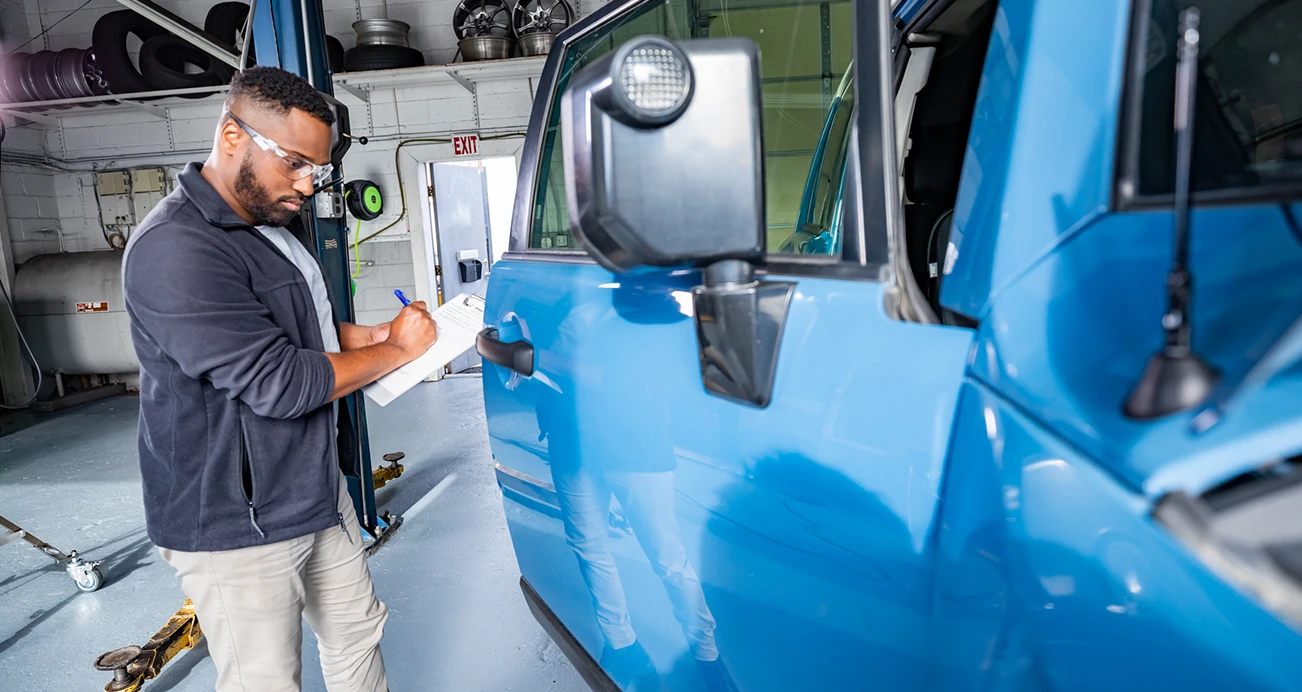
While a vehicle history report can tell you if a vehicle has had major repairs done, the well-trained eye of a mechanic can provide more detailed information about a used car. A mechanic can use a test drive and service exam to assess timing belts, hoses, and the overall health of the engine before they become headaches. A qualified mechanic can also determine if the car has received regular maintenance.
A mechanic can also identify poor work done in a previous repair. The vehicle history report will tell you that a car has had work done, but it can't tell you how well it was done. A mechanic can do just that while also assessing if there's been any serious damage that didn't make it onto the vehicle history report.
Most sellers will allow you to get a used car inspected at a local repair shop before completing a purchase. The information you get from that inspection, in addition to what you learn from the vehicle history report, can be vital.
Frequently asked questions
How many miles is too many on a used car?
There’s no single cutoff that applies to every vehicle. For context, the Federal Highway Administration reports that the average light duty vehicle is driven about 10,800 miles per year. So a 5-year-old car with 54,000 miles is right on pace. The better question is whether the car was well-maintained. A car with high mileage and a solid service record is often a smarter buy than a lower-mileage car with no maintenance history.
Does mileage affect a car’s trade-in or resale value?
Yes, mileage is one of the main factors used to determine a car’s market value. Tools like CarMax’s online offer tool factor in mileage when calculating what a car is worth.
How do I know if a used car was well-maintained?
Start with a vehicle history report using the car’s VIN. Then get an independent mechanical inspection. Together, those two steps give you a much clearer picture than the odometer reading alone.
Conclusion
It's not just the years, nor the mileage. That might be where you start narrowing down your used car search, but it shouldn't be the end. Looking at a vehicle history report and then getting it inspected by a qualified mechanic are important steps that can't be replaced by a quick look at the odometer.
Updated by Scott Wilson - CarMax Contributor

Jake Sundstrom has worked in the automotive industry since 2017 and written hundreds of car related articles over the course of his career. Jake is an editor at Edmunds, where he helps produce the best used car content on the web. He has also contributed to the National Hot Rod Association and other motorsport publications. When he's not writing about cars, he's probably driving them to his next vacation; he's still working out how to get a Wrangler from Los Angeles to Maui.