
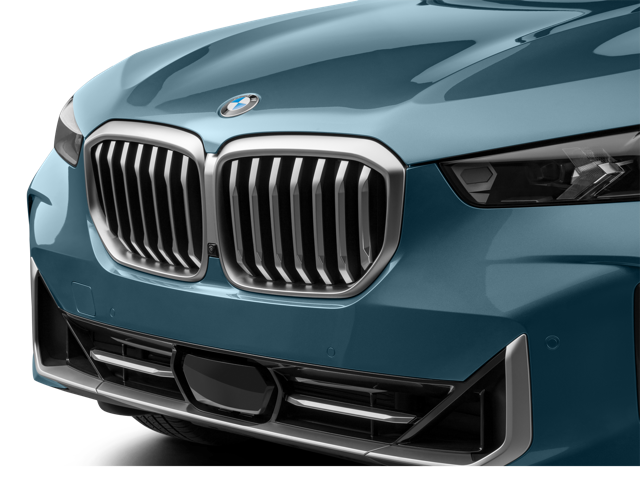
BMW X5

The BMW X5 is the German automaker’s midsize crossover SUV. While most years of the X5 offer seating for five passengers in two rows, an optional two-passenger third row was available for several model years. BMW also offers the X5 in a high-performance X5 M edition, and with a hybrid drivetrain. In any model year, the X5 may be equipped with all-wheel drive or rear-wheel drive, and with a wide variety of trims and options.
Explore the evolution of the BMW X5
Get our expert take on used BMW X5 models, or view year-by-year changes.
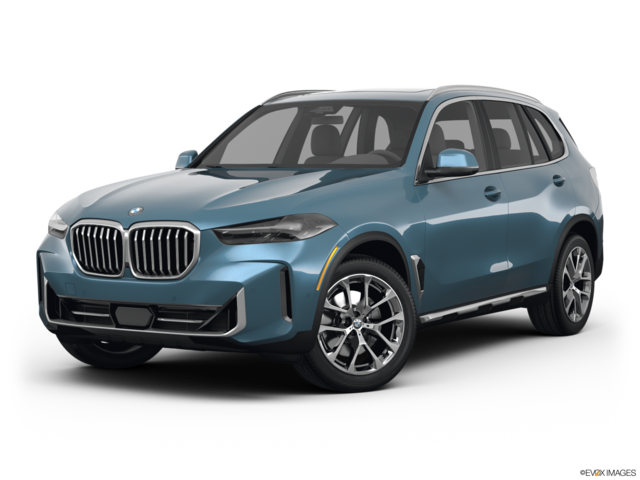
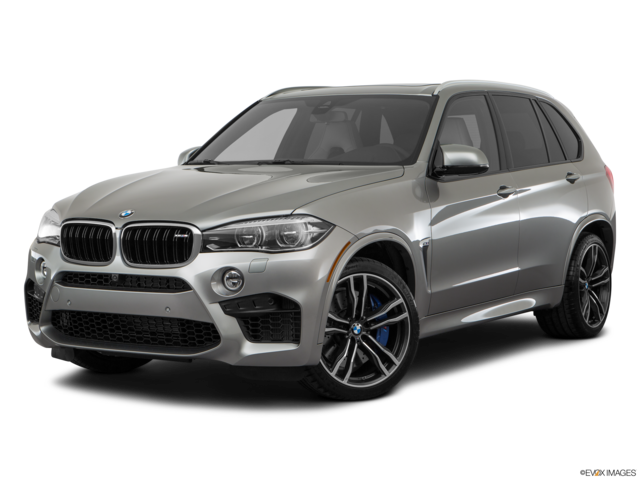
Fourth generation BMW X5
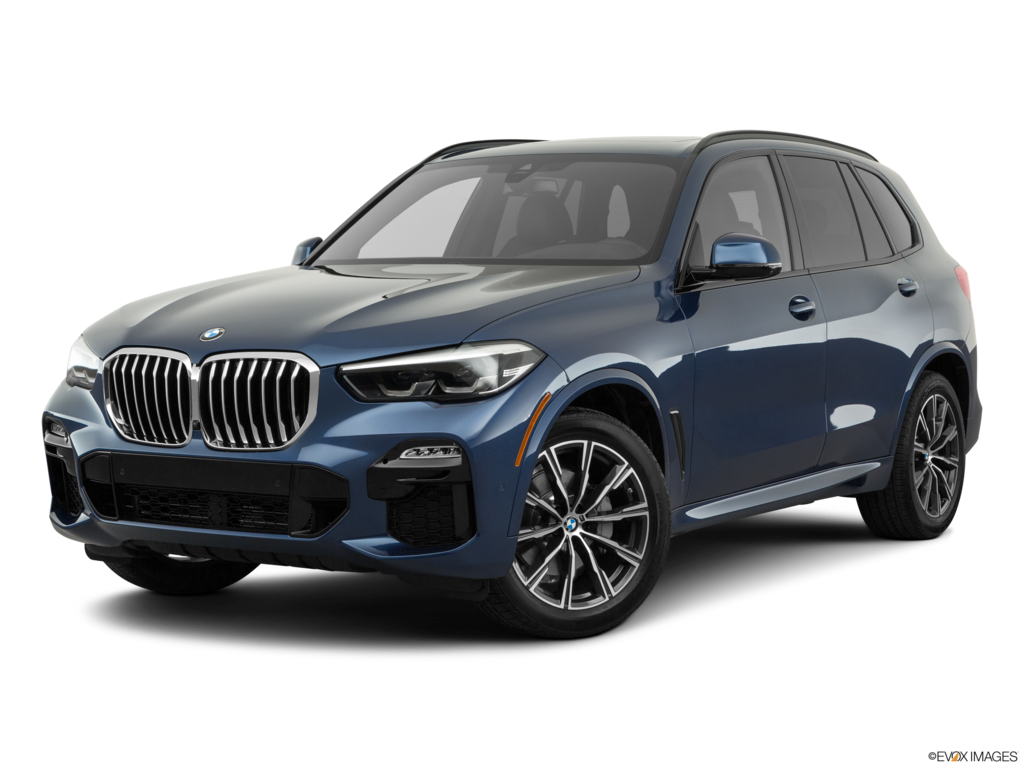
The fourth-generation BMW X5 debuted with new bodywork, making the signature twin grilles more prominent. BMW also updated its driveline selection, making the X5 xDrive40i the most popular model. The xDrive40i featured a turbocharged six-cylinder engine paired with an automatic transmission and all-wheel drive. For 2020, BMW added the sDrive rear-wheel-drive option.
This generation X5 features LED headlights, an electronically controlled suspension, and dual displays for the dashboard. The displays started as dual 12.3-inch screens and upgraded to 12.3 inches and 14.9 inches for 2024. The iDrive 8.0 system controls infotainment and vehicle functions, including wireless phone integration. A digital key system allows a smartphone to lock or unlock the X5.
BMW has also offered the X5 with an available hybrid drivetrain, adding an electric motor to the existing six-cylinder engine in the xDrive45e model in 2021. This hybrid option changed in 2024 to the 4.4-liter V8 engine in the xDrive50e model. Additionally, BMW offered the X5 with a variety of M high-performance model
Model highlights
Available hybrid and performance trims
Rear-wheel or all-wheel drive
LED headlights
Large touchscreen infotainment system
Available third-row seating (in certain years)
Third generation BMW X5
The third-generation BMW X5 offered several drivetrains that defined the SUV. The basic X5 was the xDrive35i, with a six-cylinder engine, or the xDrive50i with a V8. While most X5 models carried the xDrive all-wheel-drive system, the sDrive rear-wheel-drive system was also available.
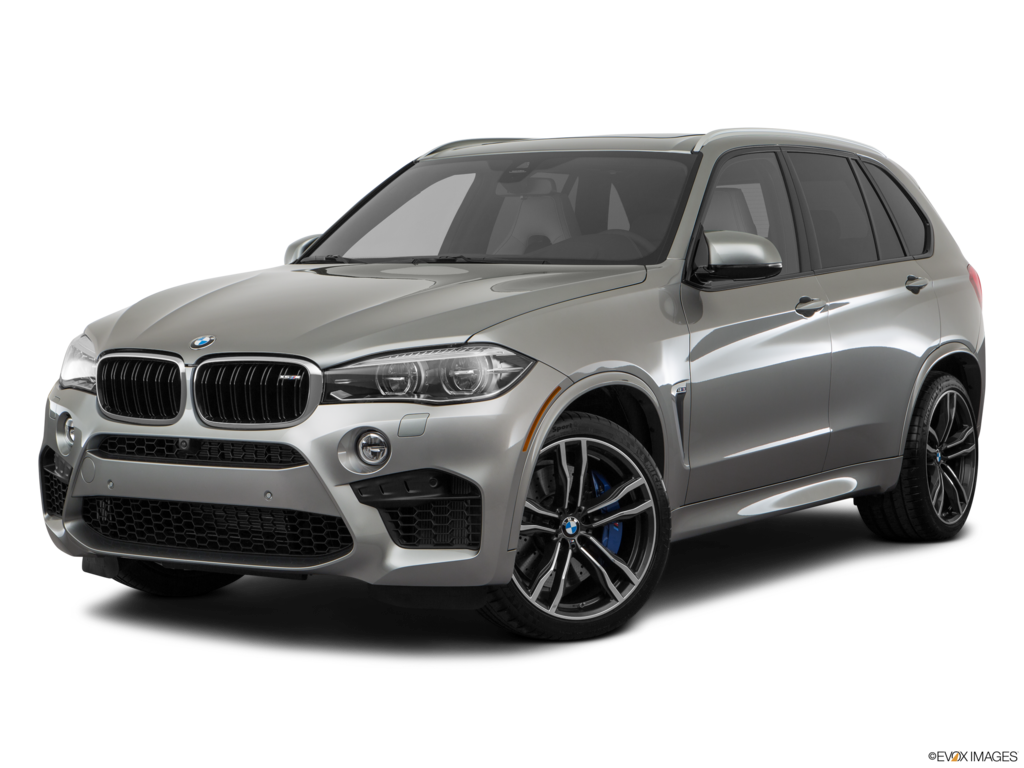
BMW introduced the X5 xDrive40e plug-in hybrid in 2016, with the ability to drive up to 13 miles on electricity alone. Additionally, BMW offered a 3.0-liter turbo-diesel called the xDrive35d and a high-performance X5 M model. Most X5 models offered seating for five passengers in two rows, but an optional two-seat third row was available in some model years.
Notable features include a long list of options such as Bang & Olufsen® or Harman Kardon® audio systems, parking assistance, and BMW Driving Assistant Plus. In 2017, all X5 models received the latest iDrive infotainment system with an upgraded 10.2-inch touchscreen.
Model highlights
Available plug-in hybrid, V8, and turbo-diesel engines
All-wheel drive or rear-wheel drive
Available third-row seating
Improved touchscreen infotainment (added for 2017)
Available high-end audio
Changes by year
Latest generation from 2019 - present
2025 BMW X5
Highlights
X5 Silver Anniversary Edition added as a limited-edition off-roader
Hands-free Highway Assistant added autonomous lane changing
Learn more
2024 BMW X5
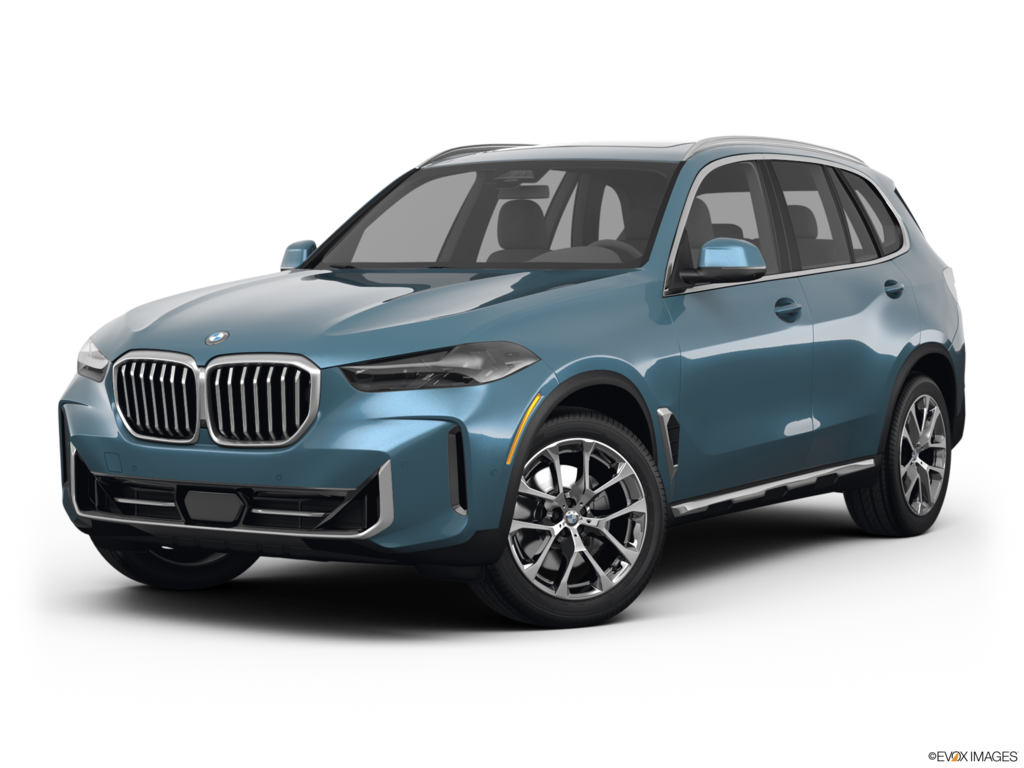
Highlights
Revised front and rear styling
xDrive50e plug-in hybrid replaced xDrive45e with V8 power and additional EV range
Base turbocharged inline six-cylinder engine added power
V8 added mild hybrid system
Infotainment upgraded to iDrive 8.0 and 14.9-inch touchscreen
Third-row availability dropped
Learn more
2023 BMW X5
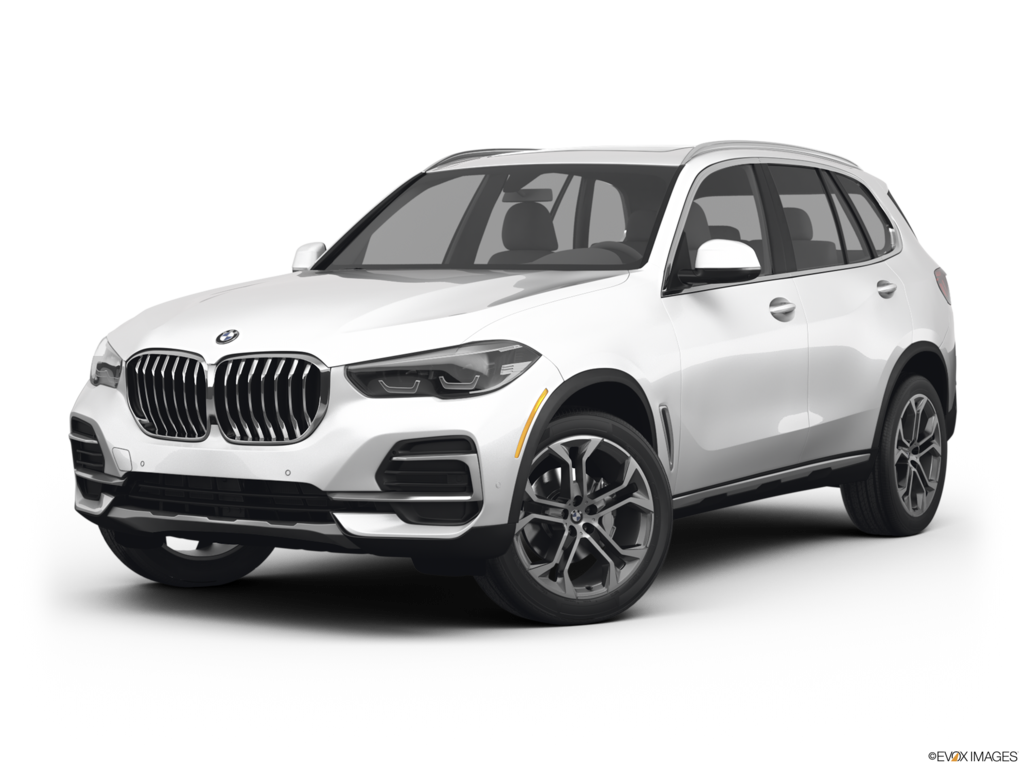
2022 BMW X5
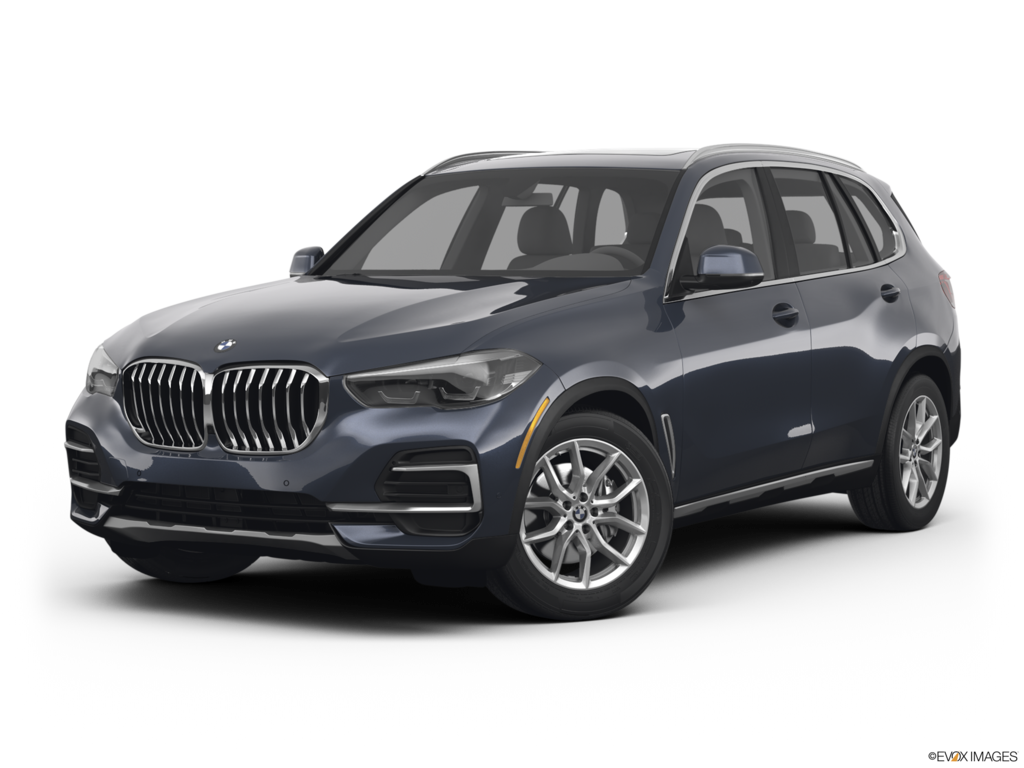
Highlights
Black Vermilion Edition added with unique paint, styling, and equipment options
Climate Control package added
Learn more
2021 BMW X5
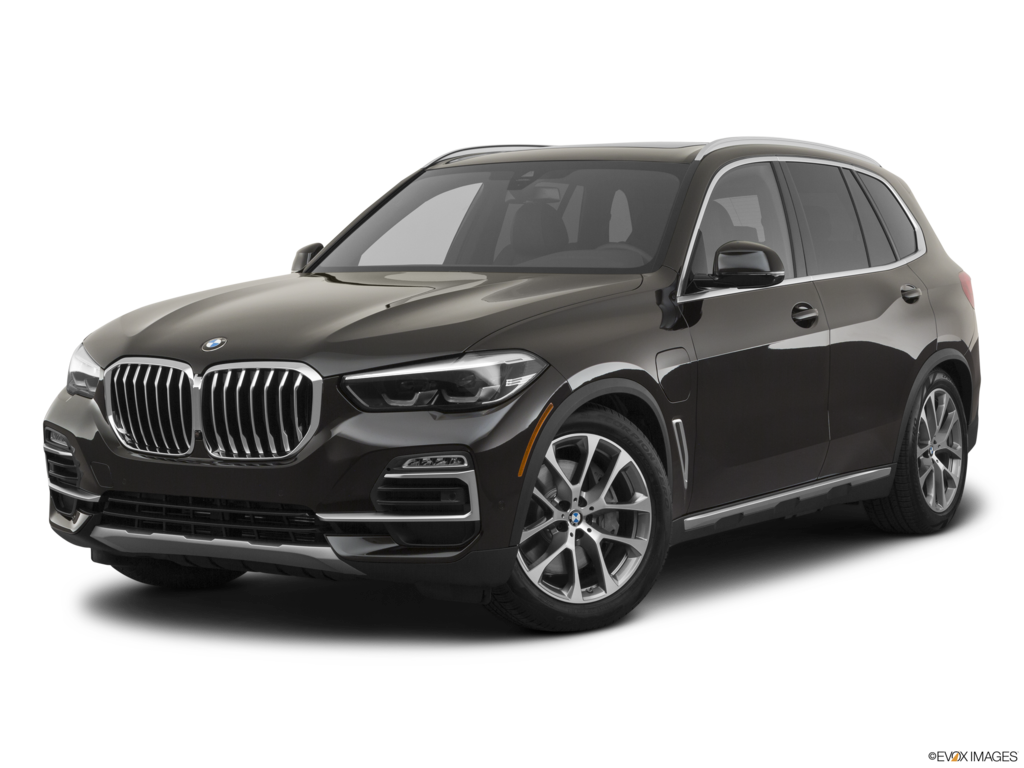
Highlights
Debut of xDrive45e plug-in hybrid with turbocharged inline-six
xDrive50i dropped
Android Auto™ and satellite radio standard
Off-road package dropped
48-volt mild hybrid system added to inline-six
Learn more
2020 BMW X5
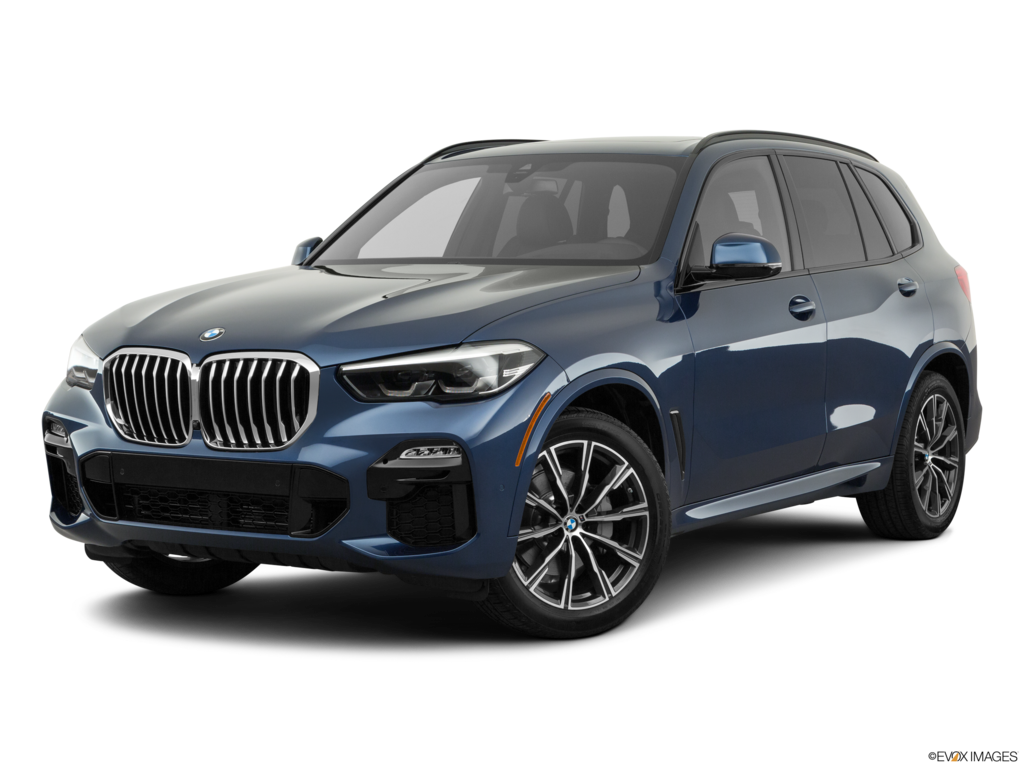
Highlights
V8-powered M50i model added to lineup
Rear-wheel-drive sDrive40i model added
Learn more
2019 BMW X5
Highlights
Redesigned fourth-generation X5 was slightly larger
More interior room and available third-row seating (dropped in 2024)
Twin 12.3-inch screens
Turbocharged six-cylinder and twin-turbo V8 power
Eight-speed automatic transmission
Learn more
Previous generation from 2014 - 2018
2018 BMW X5
2017 BMW X5
Highlights
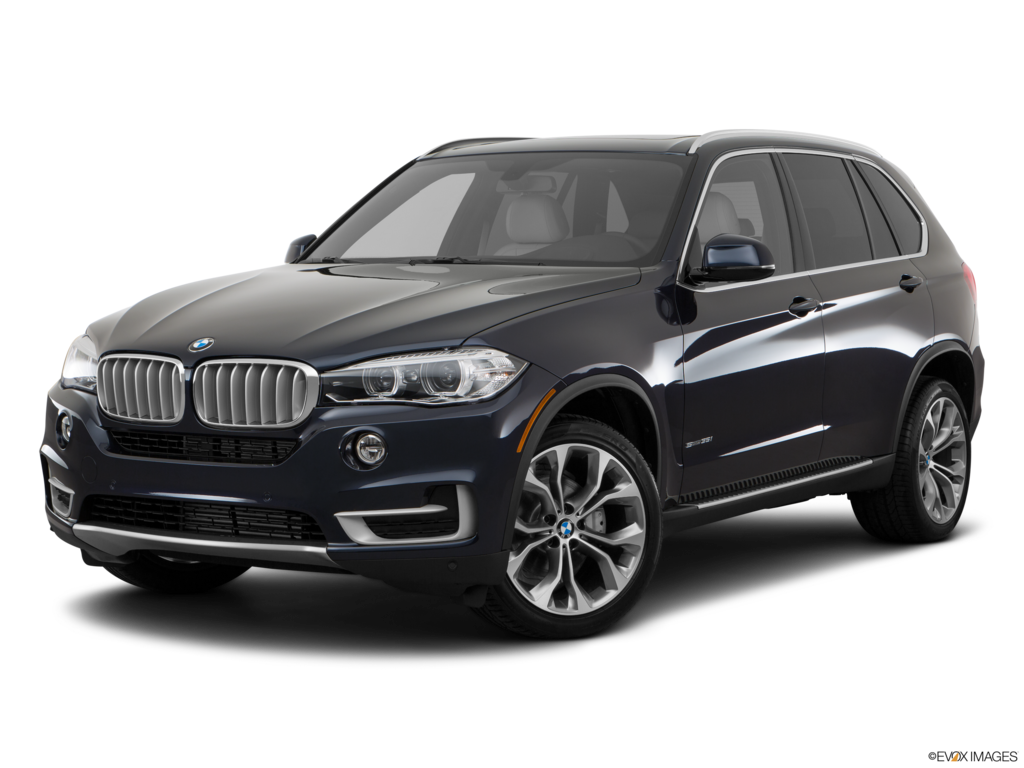
Wi-Fi connectivity and wireless phone charging available
Upgraded infotainment software
Rear-axle steering dropped
Learn more
2016 BMW X5
2015 BMW X5
2014 BMW X5
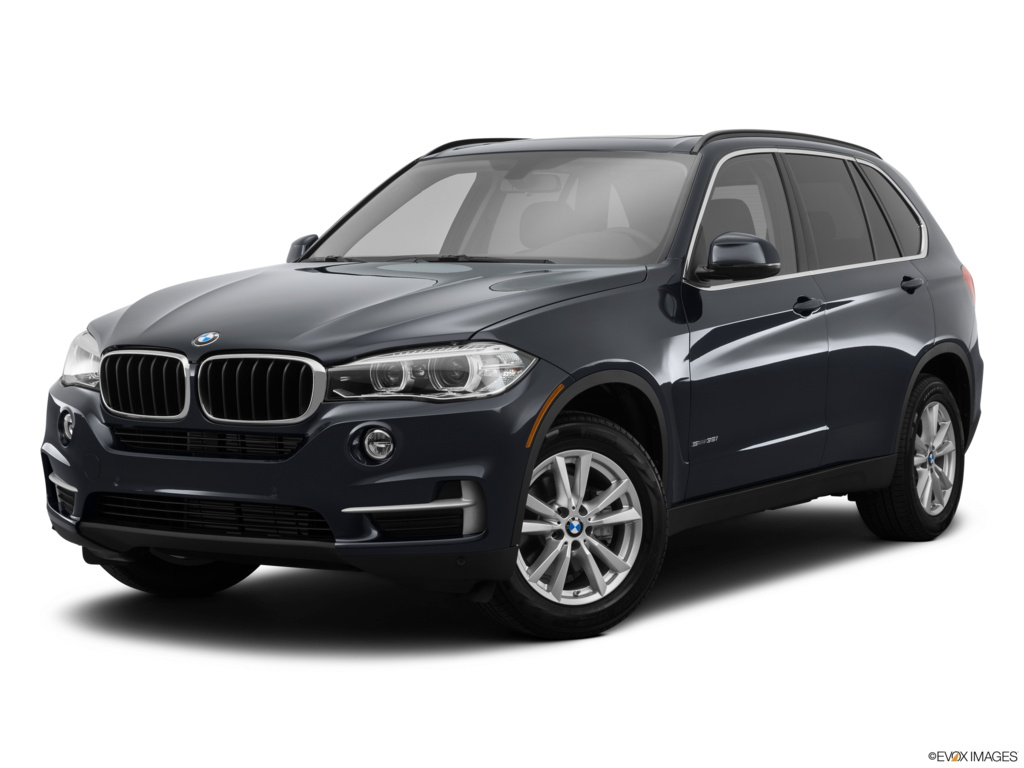
Highlights
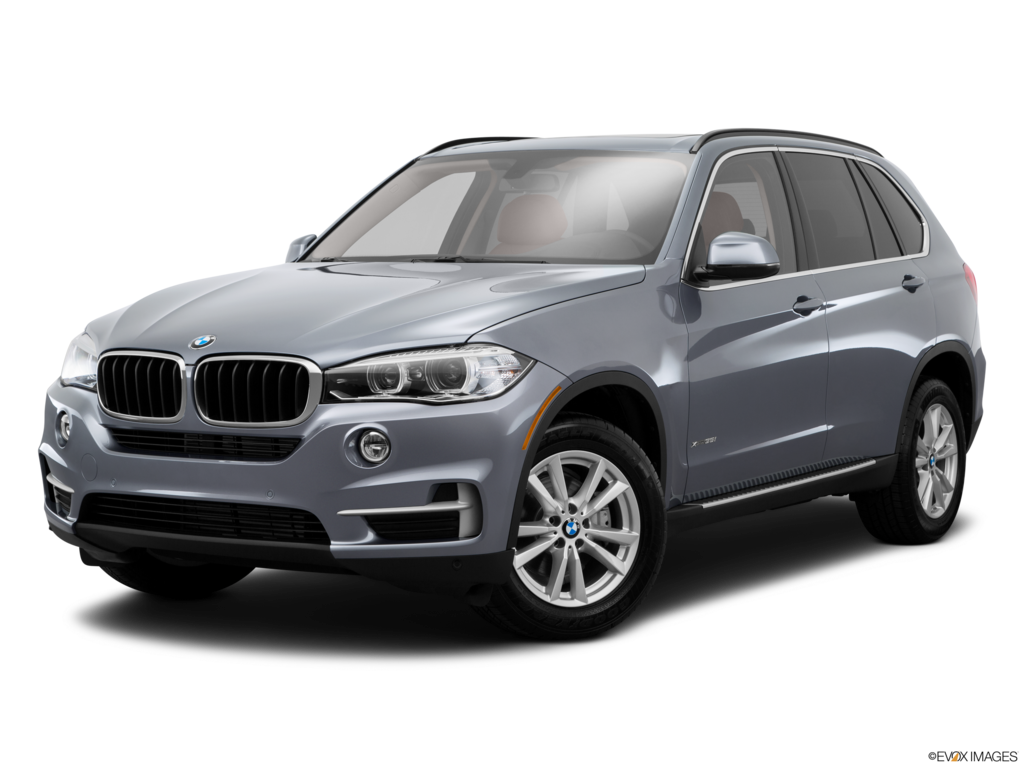
All-new for 2014
Turbo-diesel engine option added
Available third-row seat
10.2-inch infotainment touchscreen
Learn more
Looking for 2013 models or older?
CarMax only sells 2014 models and newer. But no matter the year, we'll happily buy your car.
Jeff Zurschmeide has been an automotive journalist for more than 20 years, covering the new car business as well as motorsports and industry news. He lives in Tillamook, Oregon, at the confluence of great roads, nice weather, and plenty of space for a collection of strange old automobiles.
We hope you found this information helpful. This content is intended to inform and is not meant to provide legal, financial or investment advice. We make every effort to provide accurate information, but please verify before transacting and consider talking to a qualified professional about your unique circumstances.
Statements of fuel economy or EV range are based on EPA and other third-party estimates for vehicles when new. Fuel economy and EV range will degrade with time and vary based on age, driving conditions, vehicle history, and other conditions. See fueleconomy.gov for more info.
Editorial content contained on this page comes from Edmunds.com, Inc., a subsidiary of CarMax Enterprise Service, LLC, and information related to featured vehicles comes from third-party sources, including manufacturer information. Product and company names may be trademarks or registered trademarks of third-party entities. Use of them does not imply any affiliation with or endorsement by these entities. By clicking on any video links, you will be taken to a third-party site maintained by YouTube, Inc.