
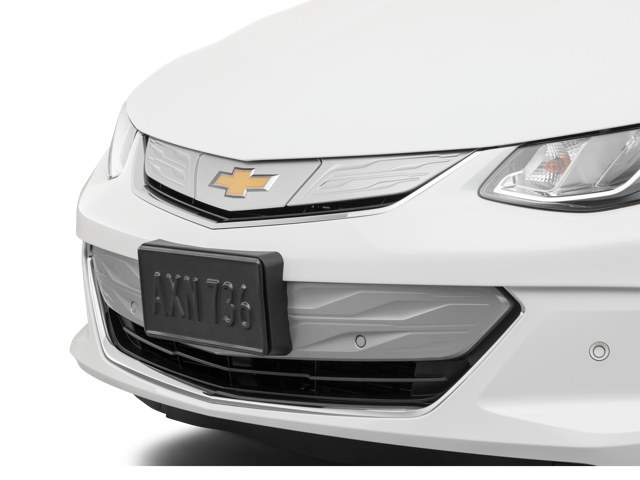
Chevrolet Volt

The Chevrolet Volt was a plug-in hybrid vehicle well ahead of its time. Unlike most plug-in hybrids, which add a large battery and electric-drive capability to a gasoline engine, the Volt was primarily an electric vehicle with a range-extending gasoline engine. It offered more than enough range for most people's daily use, and when its electric range ran out, the range-extending engine took over, generating electricity to keep the Volt going indefinitely. The Volt was also a comfortable and pleasant compact car to drive.
Explore the evolution of the Chevrolet Volt
Get our expert take on used Chevrolet Volt models, or view year-by-year changes.
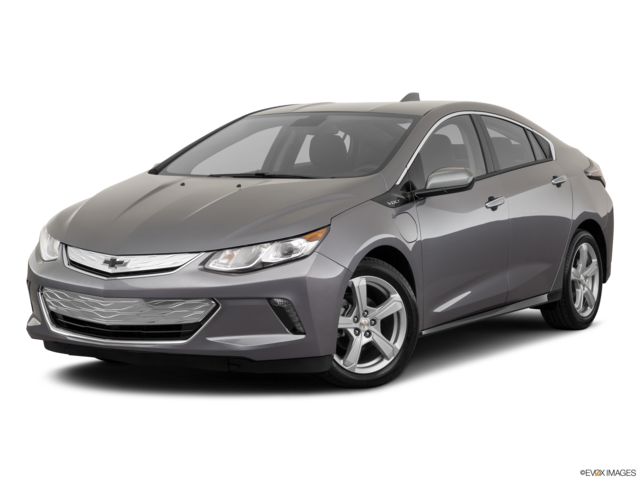

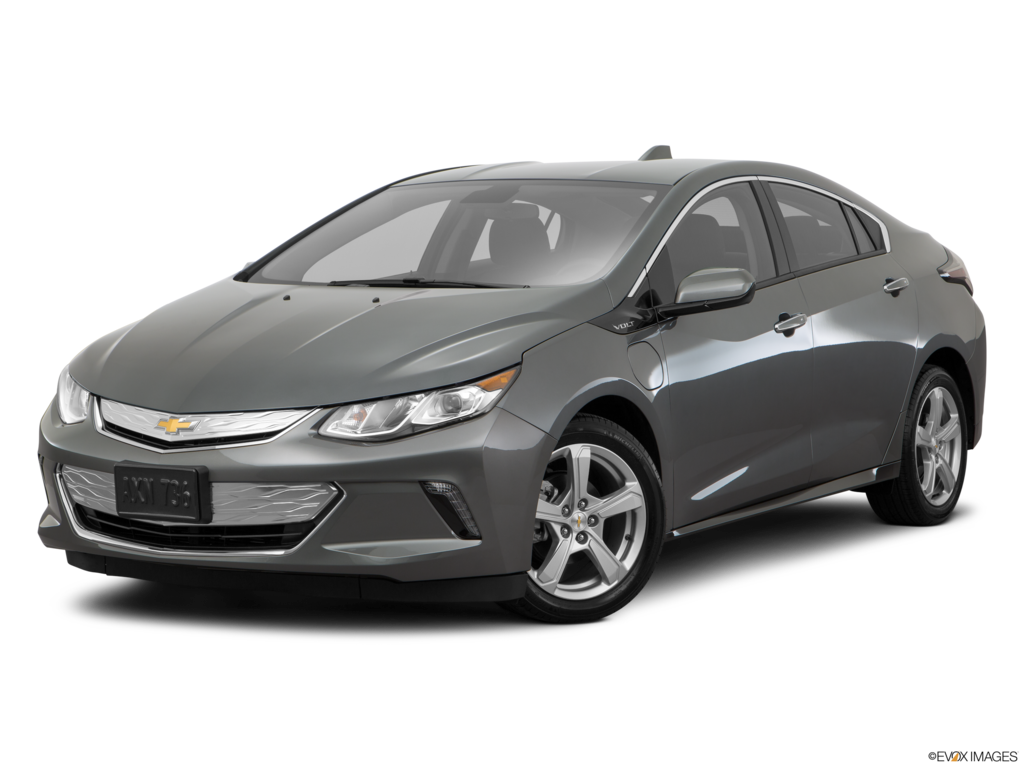
Second generation Chevrolet Volt
Chevrolet redesigned the Volt for the 2016 model year, applying the lessons learned from the first generation along with technological advancements. The second generation extended the car's EPA-estimated EV-only range to 53 miles before the range-extending engine needed to kick in. That's enough range to cover almost anyone's daily routine, and you can charge the car up again in your garage overnight. With standard 120-volt household current, the Volt will take about 13 hours to charge. If you have a 240-volt charger, it'll take less than five hours.
Beyond its styling and efficiency improvements, the second-generation Volt received an updated suspension and an eight-inch touchscreen for the infotainment system that supports Apple CarPlay®. In the back seat, a center seat belt was added, bringing total carrying capacity to five passengers.
Model highlights
Dual electric motors
53 miles of EV range
Range-extending gasoline engine
Freshened styling
Seating for up to five passengers
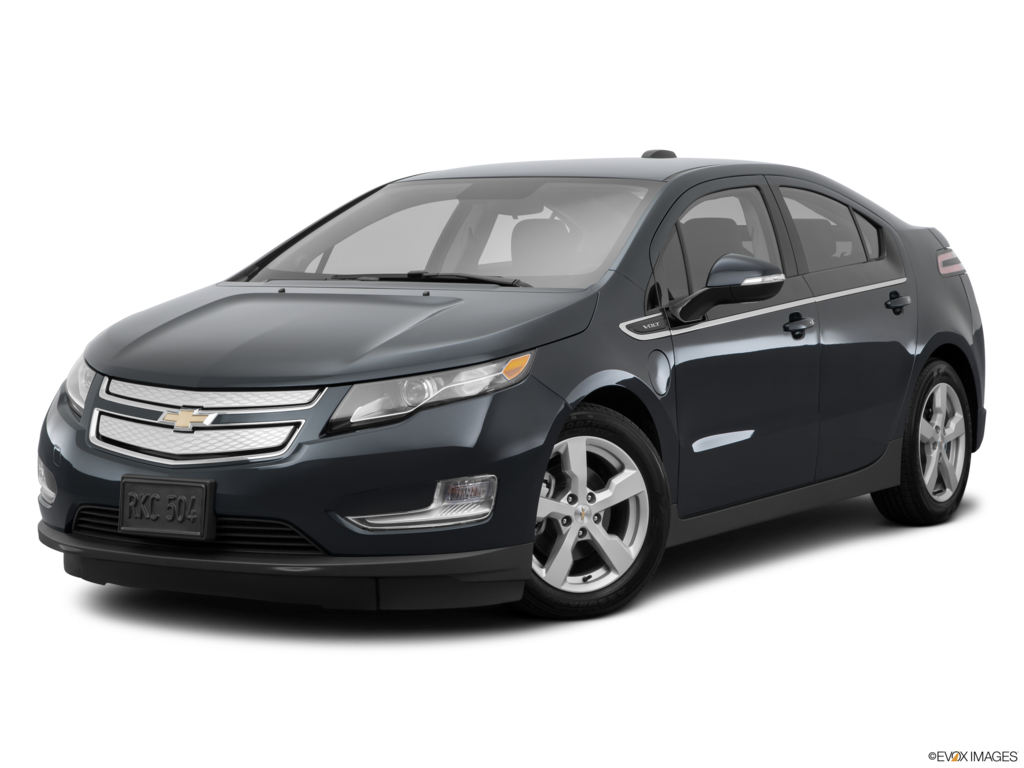
First generation Chevrolet Volt
The Chevrolet Volt was certainly ahead of its time when it debuted in 2011, and many consumers did not understand how it worked. The Volt is an electric vehicle with a range-extending gasoline engine that mainly generates electricity once the onboard battery is depleted. The first-year Volt had an EPA-estimated all-electric range of about 40 miles before the range-extending engine kicked on. Inside, the Volt offered seating for four passengers and an ultra-modern, almost science-fiction interior.
Model highlights
EV drivetrain
Range-extending gasoline engine
Seating for four passengers
Ultra-modern interior
Charges easily on ordinary household current
Changes by year
Latest generation from 2016 - 2019
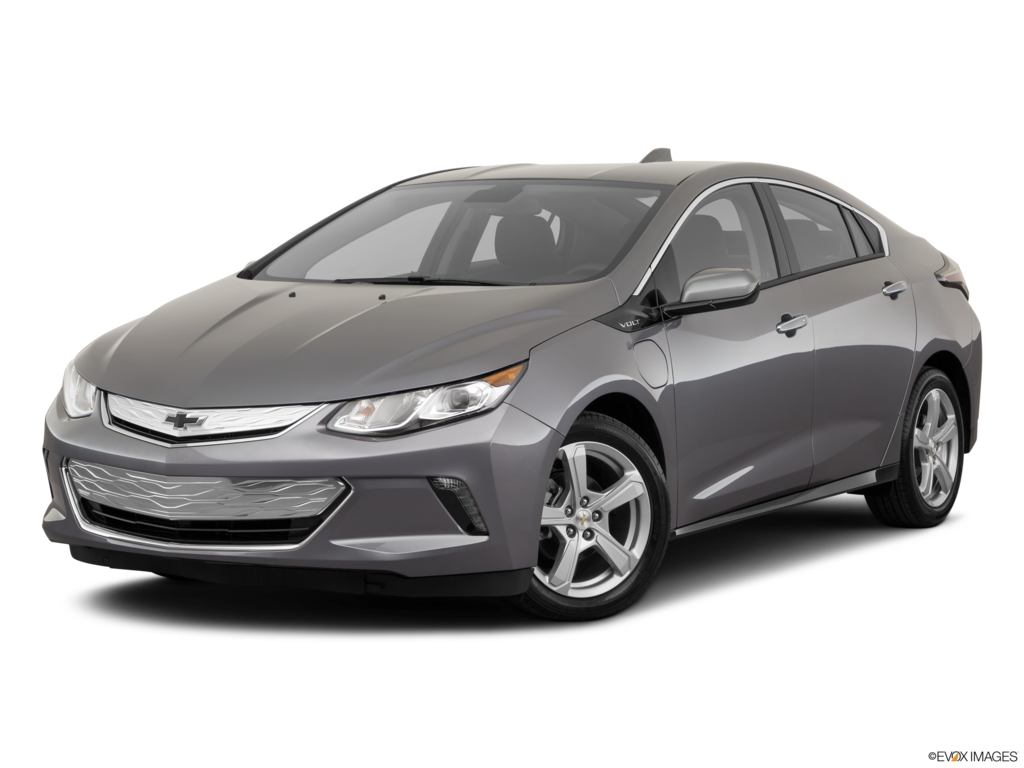
2019 Chevrolet Volt
Highlights
New 7.2-kWh onboard charger reduced charge time
Revised infotainment system and HD rearview camera
Available power driver's seat adjustment
Learn more
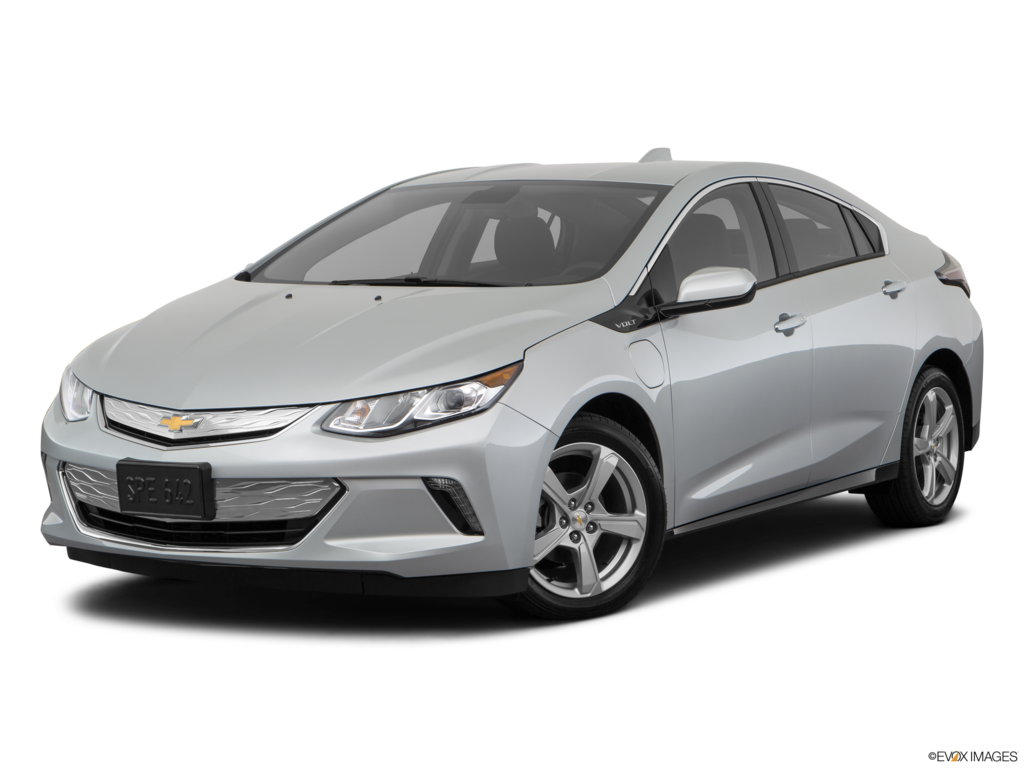
2018 Chevrolet Volt
Highlights
Available Driver Confidence package with added driver-assist features
Learn more
2018 Chevrolet Volt
Highlights
Available adaptive cruise control
Upgraded automatic emergency braking
Learn more
2017 Chevrolet Volt
Highlights
Available adaptive cruise control
Upgraded automatic emergency braking
Learn more
2016 Chevrolet Volt
Highlights
First year for second-generation Chevrolet Volt
Improved hybrid drive system
Extended EV-only range
Updated styling
New infotainment system
Five-passenger capacity
Learn more
Previous generation from 2011 - 2015
2015 Chevrolet Volt
Looking for 2013 models or older?
CarMax only sells 2014 models and newer. But no matter the year, we'll happily buy your car.
Reliability
RepairPal gave the Chevrolet Volt an overall reliability rating of 4 out of 5 stars, which RepairPal describes as Excellent. This rating ranks Chevrolet Volt 6th out of 6 among Alternative Fuel Vehicles.
RepairPal reports that the average total annual cost for repairs and maintenance on a Chevrolet Volt is $420, compared to an average of $371 for Alternative Fuel Vehicles and $591 for all the vehicles RepairPal considered in its dataset.
According to RepairPal, Chevrolet Volt owners bring their vehicles into a repair shop for unscheduled repairs an average of 0.8 times per year, compared to an average of 0.5 times for Alternative Fuel Vehicles and 1.3 times for all the vehicles RepairPal considered in its dataset.
RepairPal reported that the probability of a repair being a severe or major issue is 11% for the Chevrolet Volt, compared to an average of 9% for Alternative Fuel Vehicles and 14% for all the vehicles RepairPal considered in its dataset.
Perry Stern has been writing about cars for almost 30 years and has been an enthusiast for much longer than that. Contributing to multiple automotive publications, Perry drives almost every new car on the market, ranging from base-level Kias to exotic high-performance Lamborghinis. But his favorite is still the 2006 Mazda Miata parked in his garage.
We hope you found this information helpful. This content is intended to inform and is not meant to provide legal, financial or investment advice. We make every effort to provide accurate information, but please verify before transacting and consider talking to a qualified professional about your unique circumstances.
Statements of fuel economy or EV range are based on EPA and other third-party estimates for vehicles when new. Fuel economy and EV range will degrade with time and vary based on age, driving conditions, vehicle history, and other conditions. See fueleconomy.gov for more info.
Editorial content contained on this page comes from Edmunds.com, Inc., a subsidiary of CarMax Enterprise Service, LLC, and information related to featured vehicles comes from third-party sources, including manufacturer information. Product and company names may be trademarks or registered trademarks of third-party entities. Use of them does not imply any affiliation with or endorsement by these entities. By clicking on any video links, you will be taken to a third-party site maintained by YouTube, Inc.