
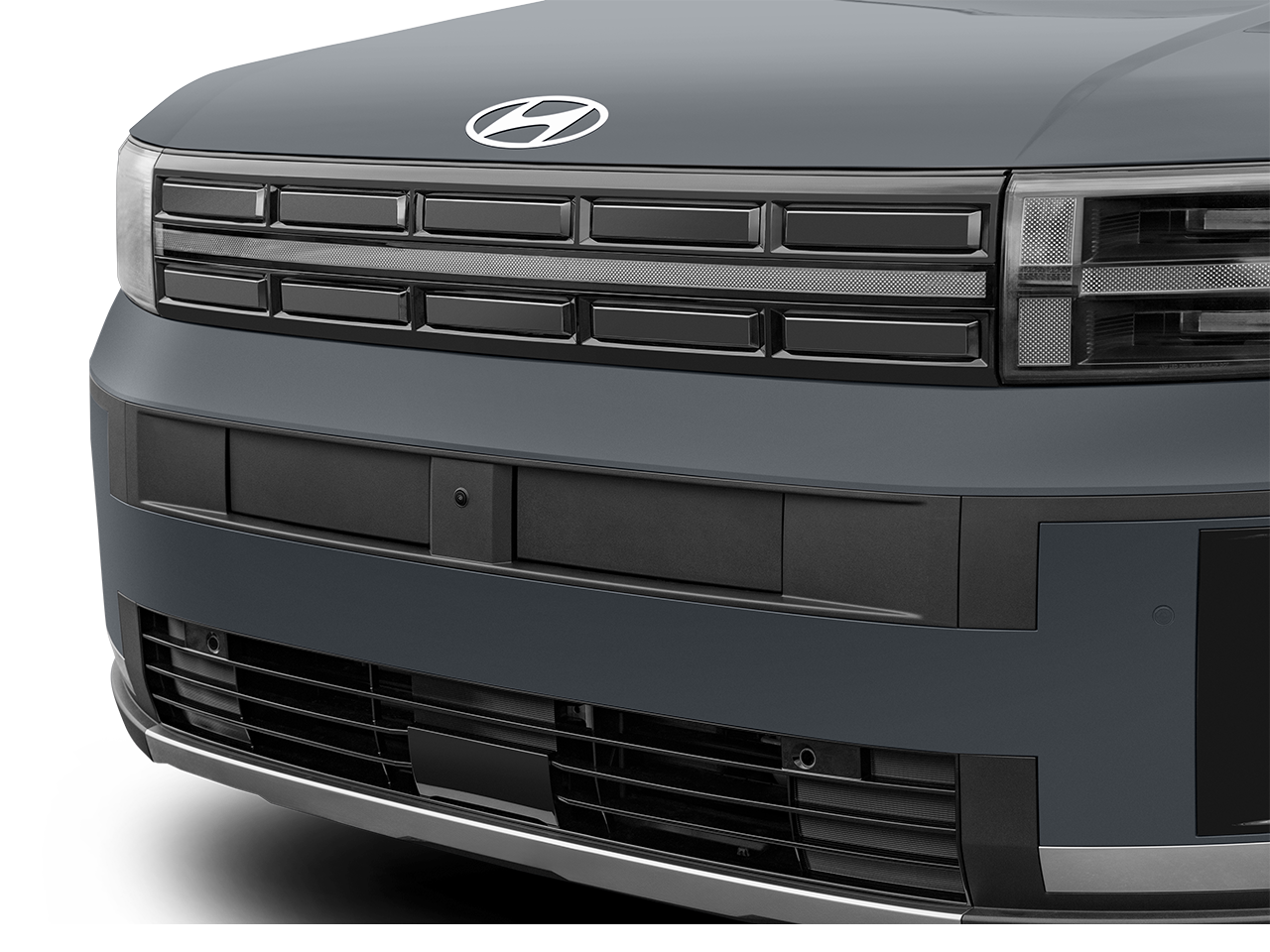
Hyundai Santa Fe

One year into its fifth generation, the 2025 Hyundai Santa Fe remains nearly unchanged from the previous model year. Sporting an all-new look for the model and the brand, this generation Santa Fe has come a long way from the first-gen model, which was also Hyundai’s first-ever SUV. The new cabin offers a high-tech vibe thanks to its wide single-display screen encompassing the 12.5-inch digital instrument cluster and same-size infotainment display. The three-row Santa Fe can seat up to seven passengers, with power provided by either a standard turbocharged engine or an optional fuel-efficient hybrid powertrain.
Explore the evolution of the Hyundai Santa Fe
Get our expert take on used Hyundai Santa Fe models, or view year-by-year changes.

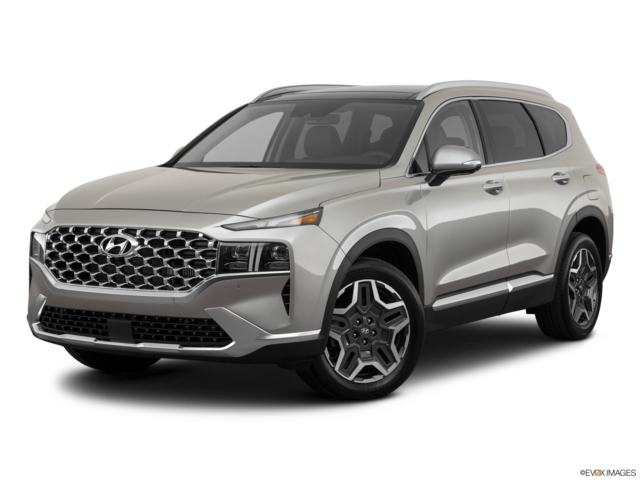
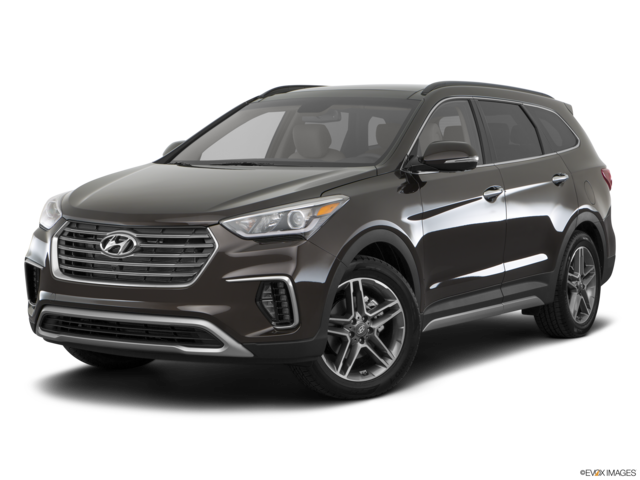

Fifth generation Hyundai Santa Fe
With style representing a complete departure from anything else Hyundai offers, the latest generation Santa Fe adds a high-tech cabin and an available hybrid powertrain.
The total redesign of the Hyundai Santa Fe for its fifth generation was a bold move, as it bears no resemblance to the previous version. While it isn’t much larger than the outgoing model—it's about two inches longer—the squared-off design makes it look bigger, and it gains a third row of seats. Surprisingly, even with the addition of the extra row, both legroom and headroom improved for second-row passengers.
Inside the latest generation Santa Fe is a clean cabin design offering a high-tech vibe the previous version lacked. With the new Panoramic Curved Display featuring a large infotainment touchscreen, controls are simplified for more intuitive use.
It may look completely different, but under the hood are familiar choices. The 2.5-liter turbocharged engine serves as the standard offering, along with an available fuel-efficient 1.6-liter turbocharged hybrid. Both carry over from the previous generation, although horsepower ratings are slightly lower. The non-turbo engine and plug-in hybrid variant are not offered in the fifth-generation Santa Fe.
Model highlights
New Panoramic Curved Display
Added third row
Premium cabin design
Wireless Apple CarPlay®/Android Auto™
Updated XRT off-road trim
Fourth generation Hyundai Santa Fe
The fourth-generation Hyundai Santa Fe goes back to a two-row configuration, replacing the Santa Fe Sport, while the seven-passenger Santa Fe XL isn't available for this generation.
This Hyundai Santa Fe is easily distinguished from the previous generation by its streamlined style featuring slim LED running lights and headlights integrated into the bodywork. The Santa Fe is available exclusively as a two-row crossover, with the three-row XL from the previous generation replaced by the larger all-new Palisade in 2020.
Measuring about two inches longer than the outgoing Santa Fe Sport, the fourth-gen Santa Fe gets more legroom for front- and rear-seat passengers, while cargo space remains about the same. The fourth-generation Santa Fe features an upscale interior with a new instrument panel and Hyundai’s newest infotainment system displayed on an available eight-inch touchscreen. Apple CarPlay® and Android Auto™ were standard on all trim levels.
An extensive list of standard driver-assistance features was added for the fourth-gen Santa Fe, including automatic emergency braking, adaptive cruise control, rear cross-traffic alert, blind-spot detection, lane-keeping assistance, and driver attention warning. Rear cross-traffic collision avoidance was available on higher trim levels, as was the industry’s first Rear Occupant Alert technology, meant to prevent the leaving of children or pets in a car.
Model highlights
Exclusively a two-row crossover
Standard Apple CarPlay®/Android Auto™
Standard advanced driver-assistance technology
More interior space
Updated infotainment system
Third generation Hyundai Santa Fe
Hyundai split the Santa Fe lineup for the third generation, offering a three-row variant to replace the outgoing Veracruz and a two-row option called Santa Fe Sport.
The Hyundai Santa Fe received a significant redesign as it moved into its third generation, giving the popular crossover a more modern look featuring swept-back headlights and a wide grille. This was also the first time the Santa Fe was offered as a new three-row variant. Almost ten inches longer than the smaller Santa Fe Sport (as the two-row was renamed), the larger version can carry up to seven passengers with the second-row bench or six with the optional captain’s chairs.
Not only did the third generation have an all-new look, it also featured an all-new architecture with improved torsional rigidity, translating to a smoother ride with better handling.
The Santa Fe Sport’s base engine received a slight power boost compared to the previous generation, while a new turbocharged option bumped power up considerably. With its larger size, the three-row Santa Fe came standard with a 3.3-liter V6 engine that offered better performance than the outgoing 3.5-liter engine.
Model highlights
New three-row variant
More powerful engine options
Manual transmission discontinued
Standard Bluelink® telematics service
All-wheel drive with active cornering control
Changes by year
Latest generation from 2024 - present
2025 Hyundai Santa Fe
2024 Hyundai Santa Fe
Highlights
Complete redesign for 2024
Standard third-row seat
Panoramic Curved Display interface
XRT is more off-road capable
Learn more
Previous generation from 2019 - 2023
2023 Hyundai Santa Fe
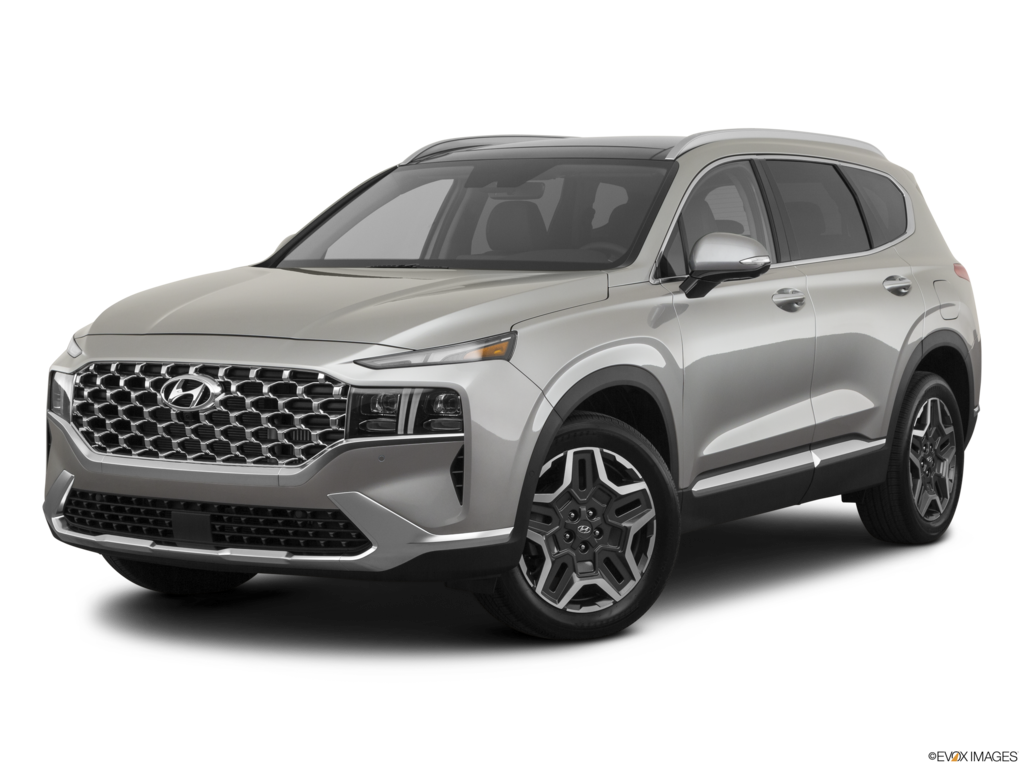
2022 Hyundai Santa Fe
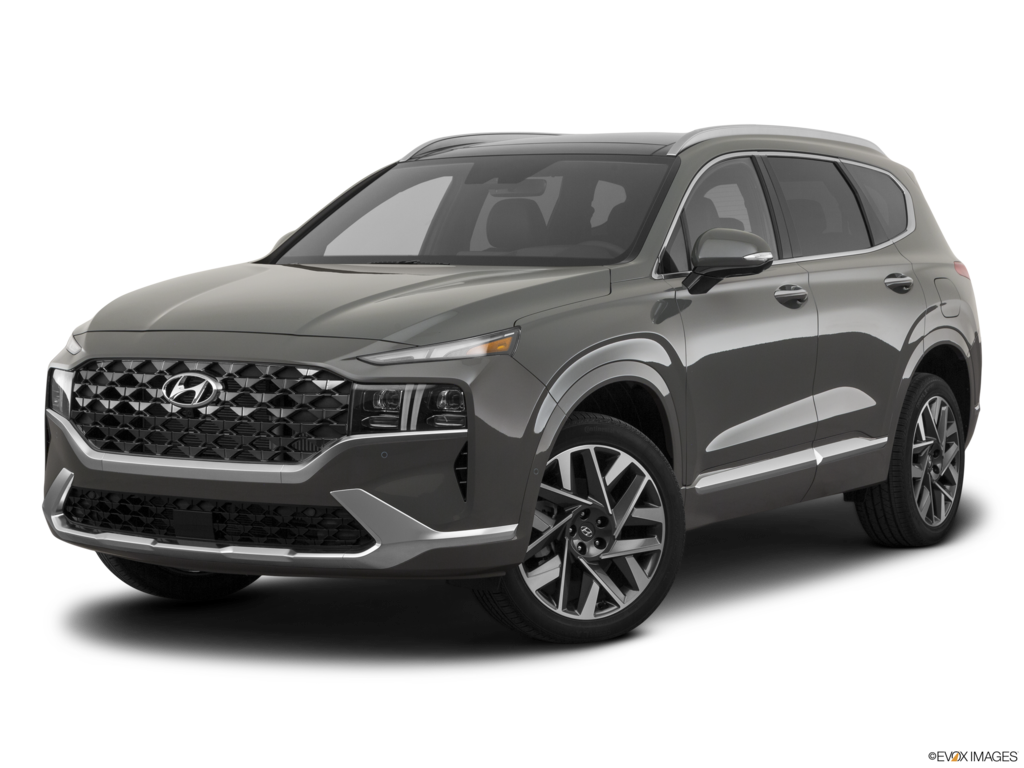
2021 Hyundai Santa Fe
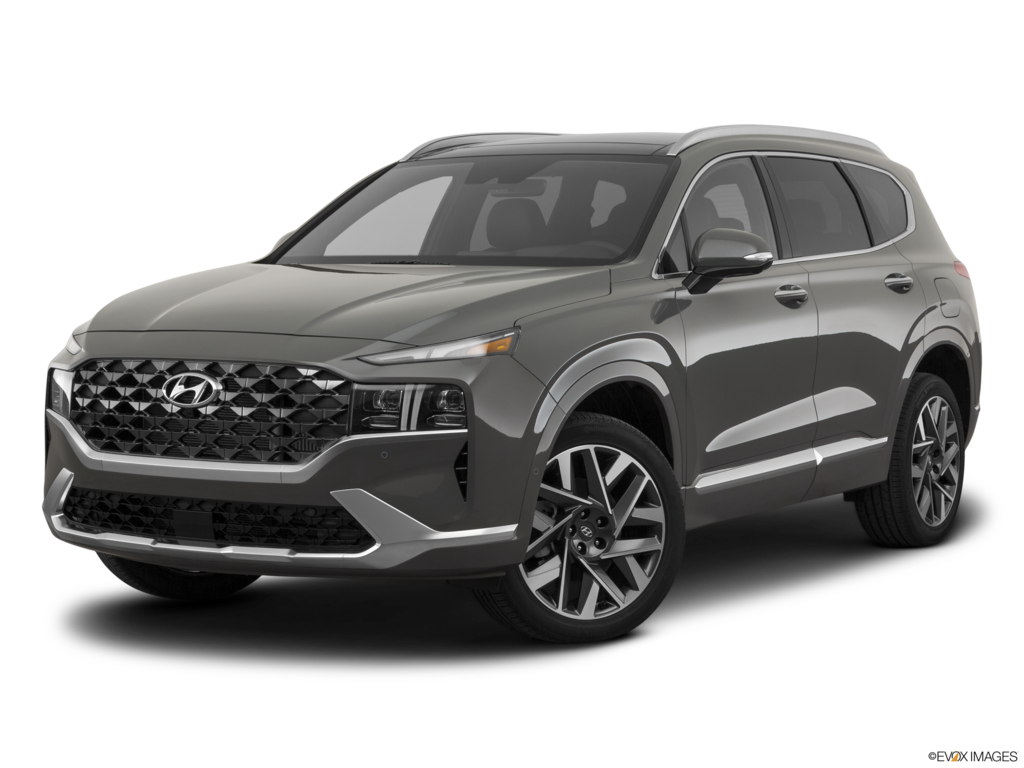
Highlights
All-new styling inside and out
Updated powertrains include a new hybrid
Calligraphy trim added
Learn more
2020 Hyundai Santa Fe
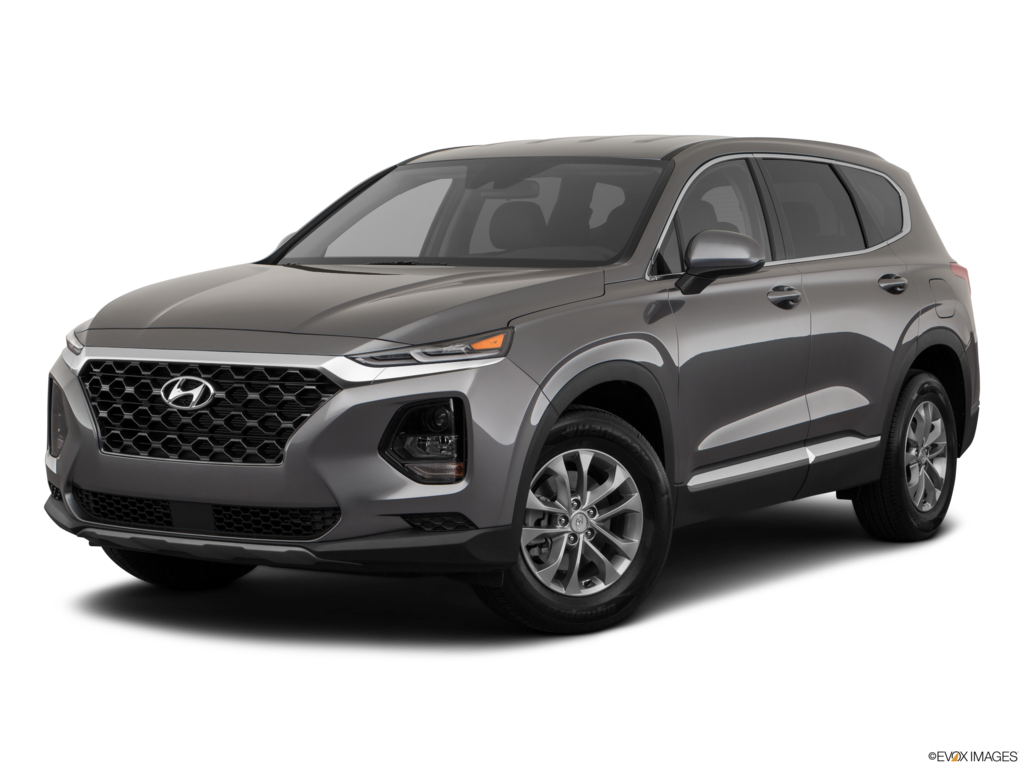
2019 Hyundai Santa Fe
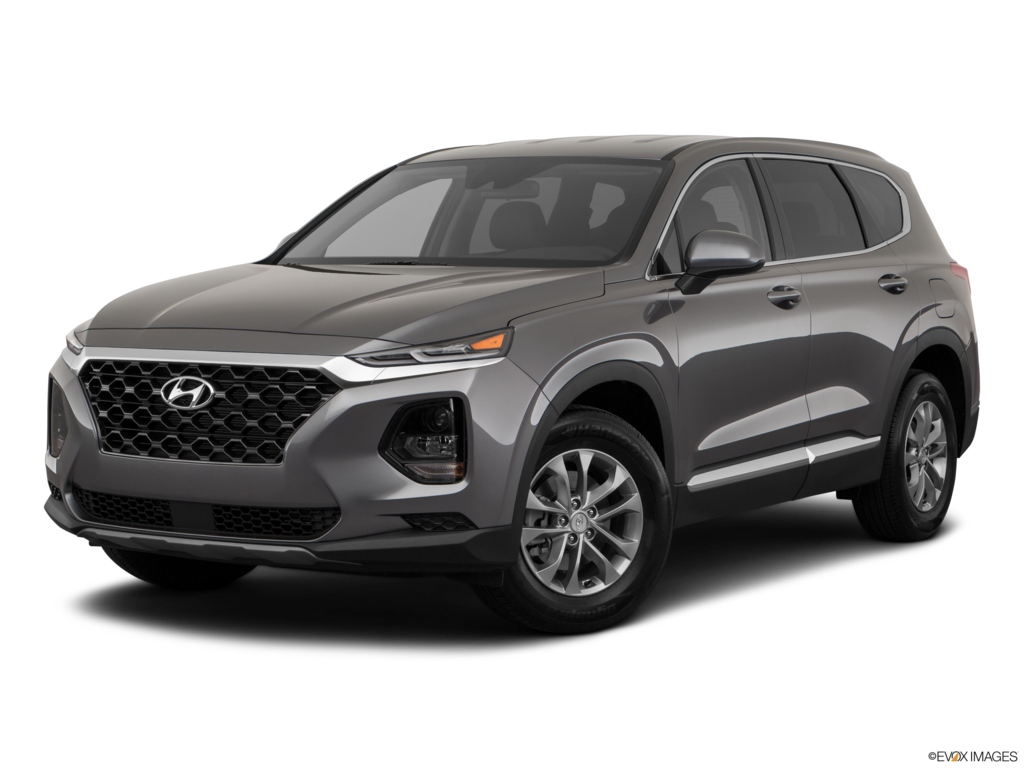
Highlights
Complete redesign for 2019
Standard Apple CarPlay® and Android Auto™
Four-cylinder and turbo engine
Long list of standard driver-assist features
Learn more
Previous generation from 2013 - 2018
2018 Hyundai Santa Fe
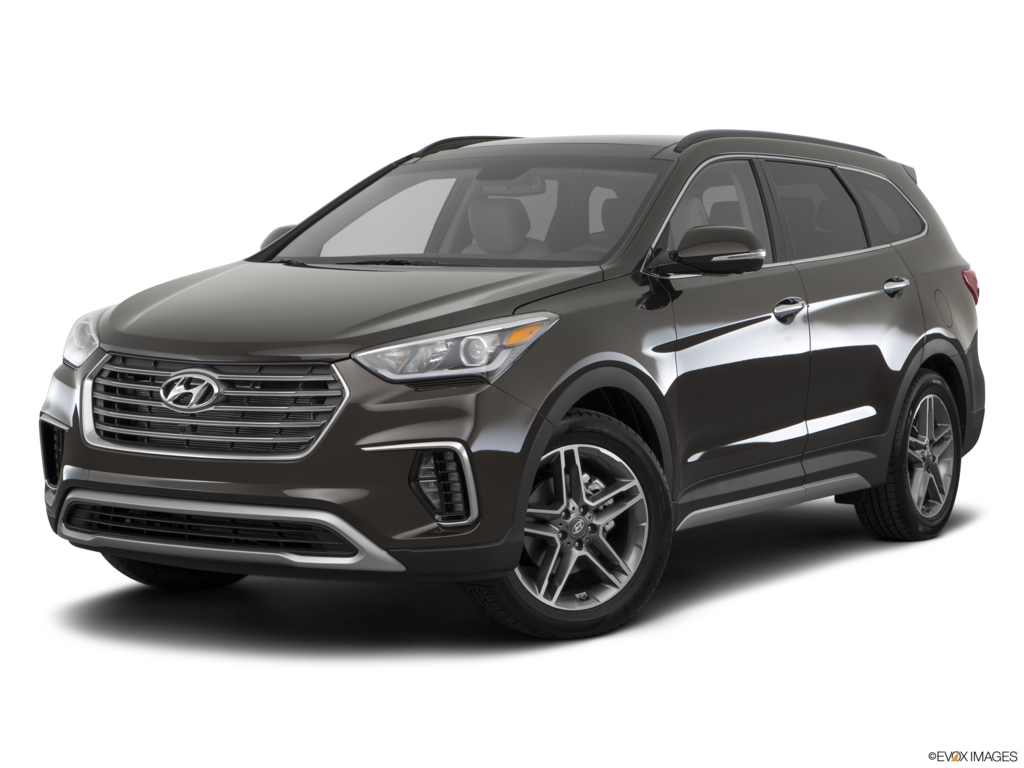
2017 Hyundai Santa Fe
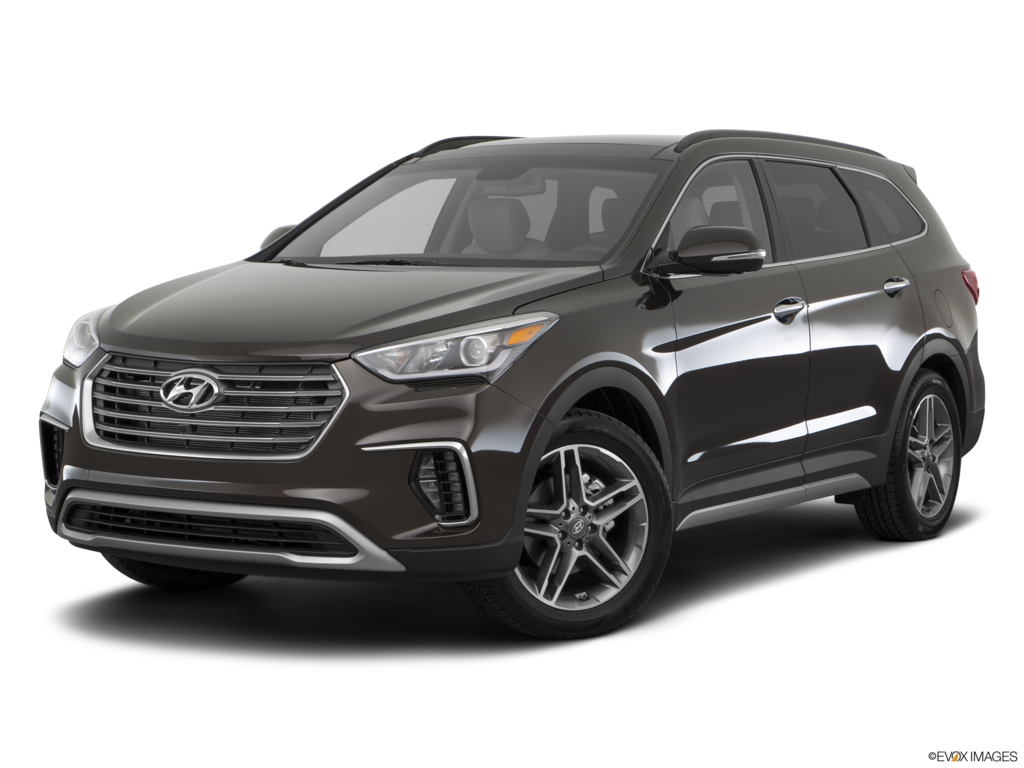
Highlights
Refreshed front and rear styling
Seven-inch touchscreen display standard
Range of new advanced driver-assist features is available
Learn more
2016 Hyundai Santa Fe
2015 Hyundai Santa Fe
2014 Hyundai Santa Fe
2013 Hyundai Santa Fe
Highlights
Complete redesign for 2013
New seven-passenger long-wheelbase version
Five-passenger version named Sport
Learn more
Looking for 2013 models or older?
CarMax only sells 2014 models and newer. But no matter the year, we'll happily buy your car.
Perry Stern has been writing about cars for almost 30 years and has been an enthusiast for much longer than that. Contributing to multiple automotive publications, Perry drives almost every new car on the market, ranging from base-level Kias to exotic high-performance Lamborghinis. But his favorite is still the 2006 Mazda Miata parked in his garage.
We hope you found this information helpful. This content is intended to inform and is not meant to indicate that a particular vehicle is currently available or recommended for you.
Statements of fuel economy or EV range are based on EPA and other third-party estimates for vehicles when new. Fuel economy and EV range will degrade with time and vary based on age, driving conditions, vehicle history, and other conditions. See fueleconomy.gov for more info.
Unless otherwise noted, information related to featured vehicles comes from third-party sources, including manufacturer information. Product and company names may be trademarks or registered trademarks of third-party entities. Use of them does not imply any affiliation with or endorsement by these entities. By clicking on any video links, you will be taken to a third-party site maintained by YouTube, Inc.
We make every effort to provide accurate information, but please verify before purchasing.