

Toyota Highlander

Toyota’s Highlander is among the most popular choices in the fiercely contested midsize SUV market. Credit goes to its value and family-friendly features.
Explore the evolution of the Toyota Highlander
Get our expert take on used Toyota Highlander models, or view year-by-year changes.
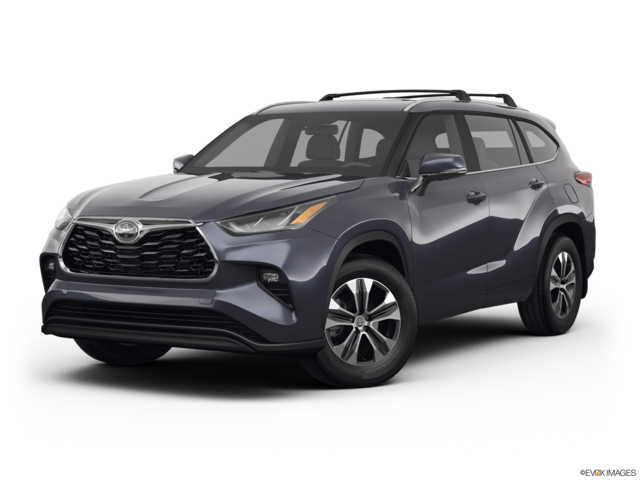
Fourth generation Toyota Highlander
In production since 2019, the current generation Highlander offers five distinct trim levels in front-wheel or all-wheel drive, with the buyer’s choice of gasoline or hybrid engines.
The most basic LE trim offers seating for eight passengers, wireless phone integration, and a suite of driver-assist tech known as Toyota Safety Sense®, which adds automatic emergency braking with pedestrian detection, full-range adaptive cruise control, lane keeping with steering assist, and more. Higher trim levels add luxury features including wireless device charging, a power liftgate, heated and leather-upholstered seats, and panoramic glass roof panels.
Note that in 2023, Toyota introduced a new model called the Grand Highlander. It's longer, wider, and taller than the regular Highlander but offers the same drivetrain choices plus a more powerful Hybrid Max option.
Model highlights
2.4-liter gasoline or hybrid engine options
Seating for up to eight passengers
Standard Toyota Safety Sense technology
V6 no longer available
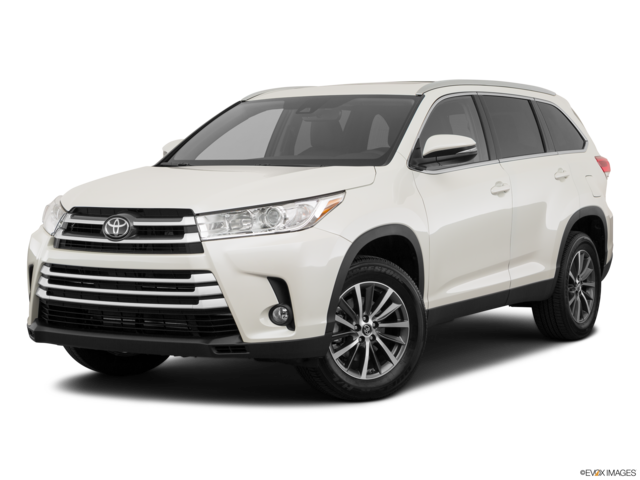
Third generation Toyota Highlander
The third-generation Highlander was among the most popular SUVs in America, selling up to 240,000 units per year. Available with a V6 engine and all-wheel drive, the Highlander set the standard for family midsize SUVs.
When the third-generation Toyota Highlander debuted in 2014, it was larger than the outgoing model and offered buyers the Toyota Star™ driver-assist system, including stability and traction controls, braking assistance, and smart stop technology in the event of pedal misapplication. In 2015, the Highlander received the first version of Toyota Safety Sense®, including a precollision system, lane departure alerts, automatic high beams, and adaptive cruise control. For the final year of this generation, Toyota added road sign assistance and lane tracing steering assistance to create TSS 2.0.
The third-generation Highlander was available in a variety of trim levels ranging from basic to luxury, and a hybrid engine was available in all years. The model was refreshed for 2017 with new front and rear body design, an eight-speed automatic transmission, and updated V6 engine
Model highlights
Seating for up to 8 passengers
Available hybrid drivetrain
Toyota Safety Sense™ (added for 2015)
Bluetooth® phone integration and touchscreen infotainment
Available eight-speed transmission (added for 2017)
Changes by year
Latest generation from 2020 - 2025
2025 Toyota Highlander
2024 Toyota Highlander
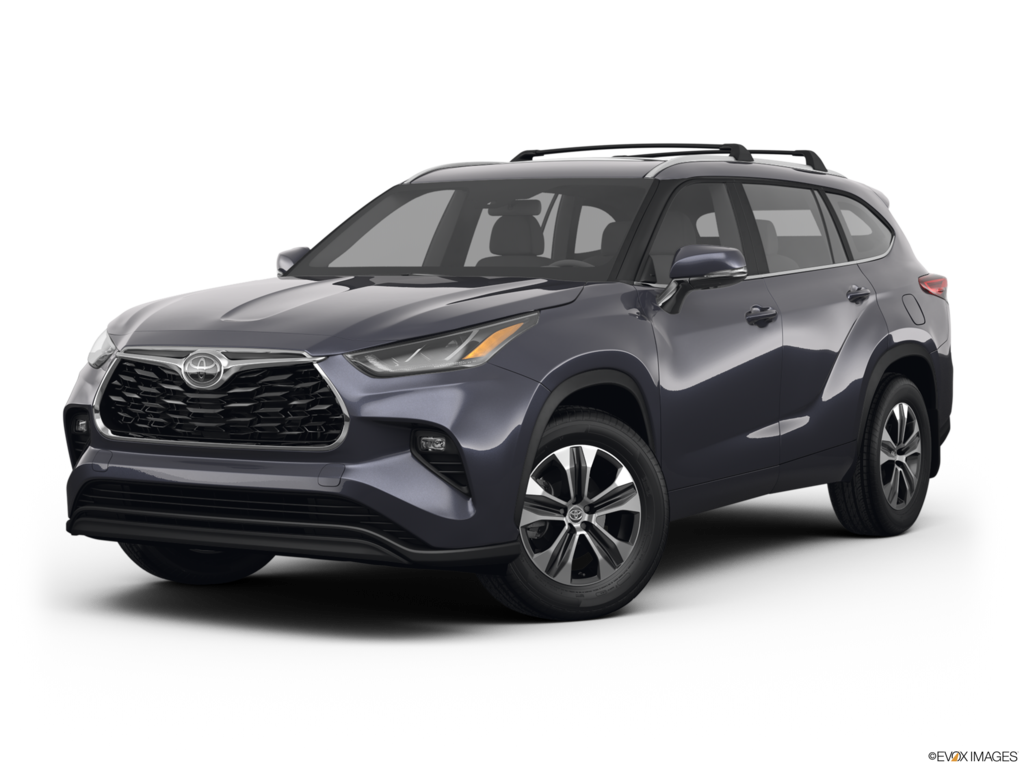
2023 Toyota Highlander
Highlights
Turbocharged four-cylinder engine replaced V6
Top trims received digital instrument cluster and power-folding mirrors
Hands-free liftgate standard on XLE and above trims
Learn more
2022 Toyota Highlander
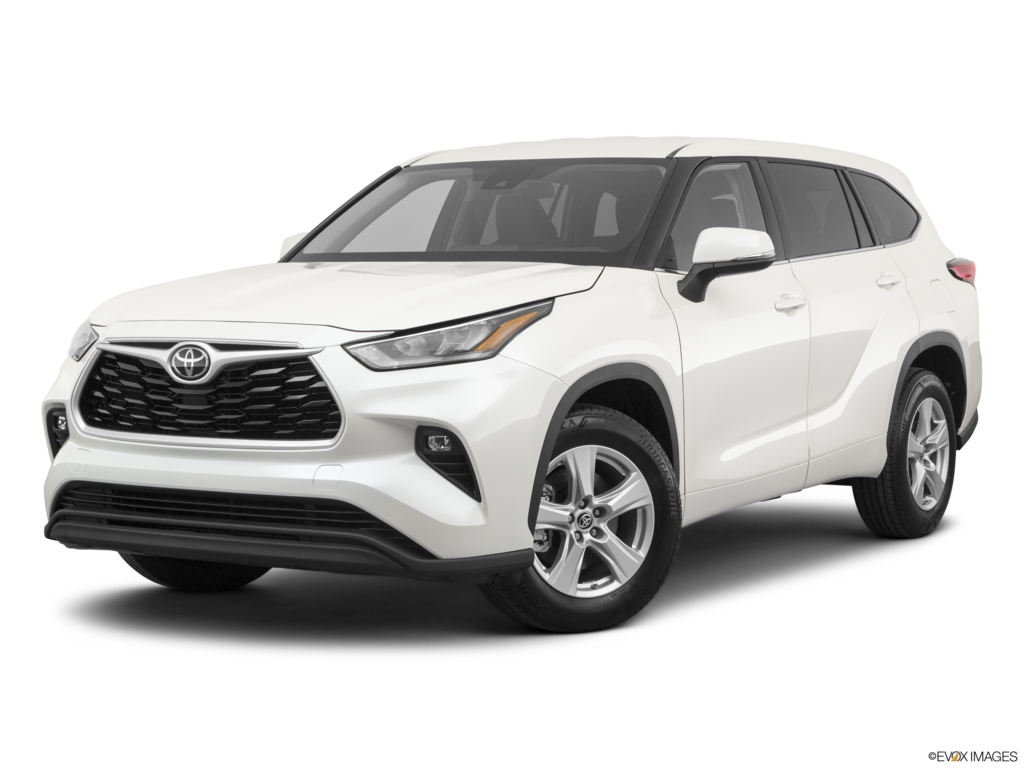
2021 Toyota Highlander
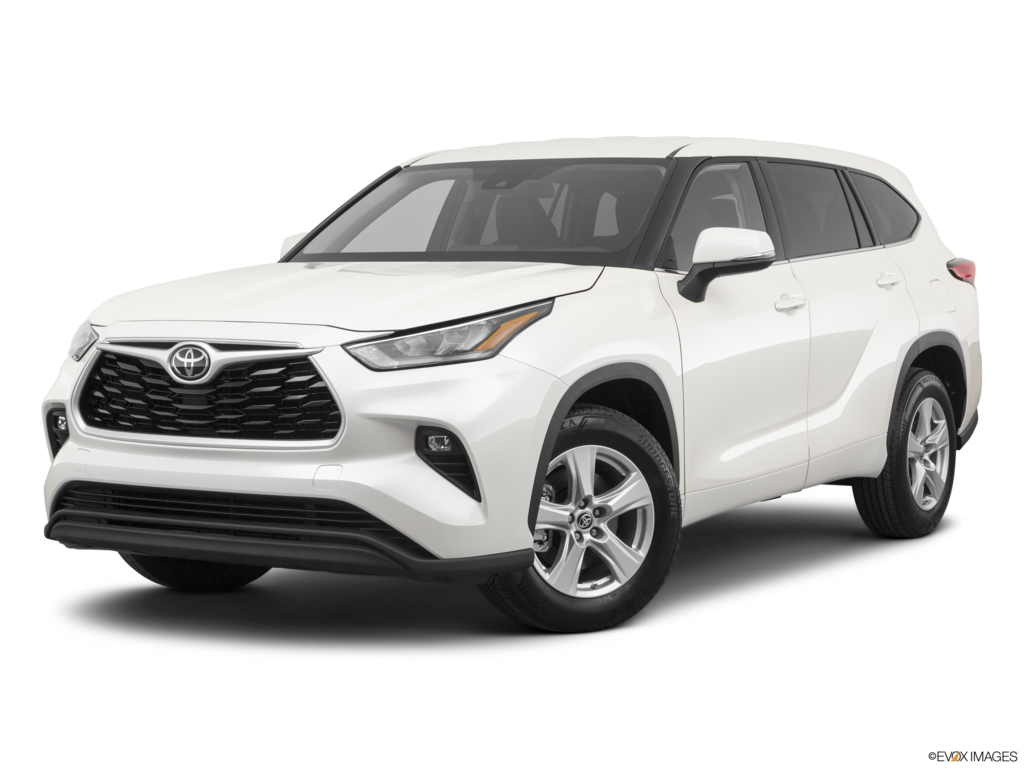
2020 Toyota Highlander
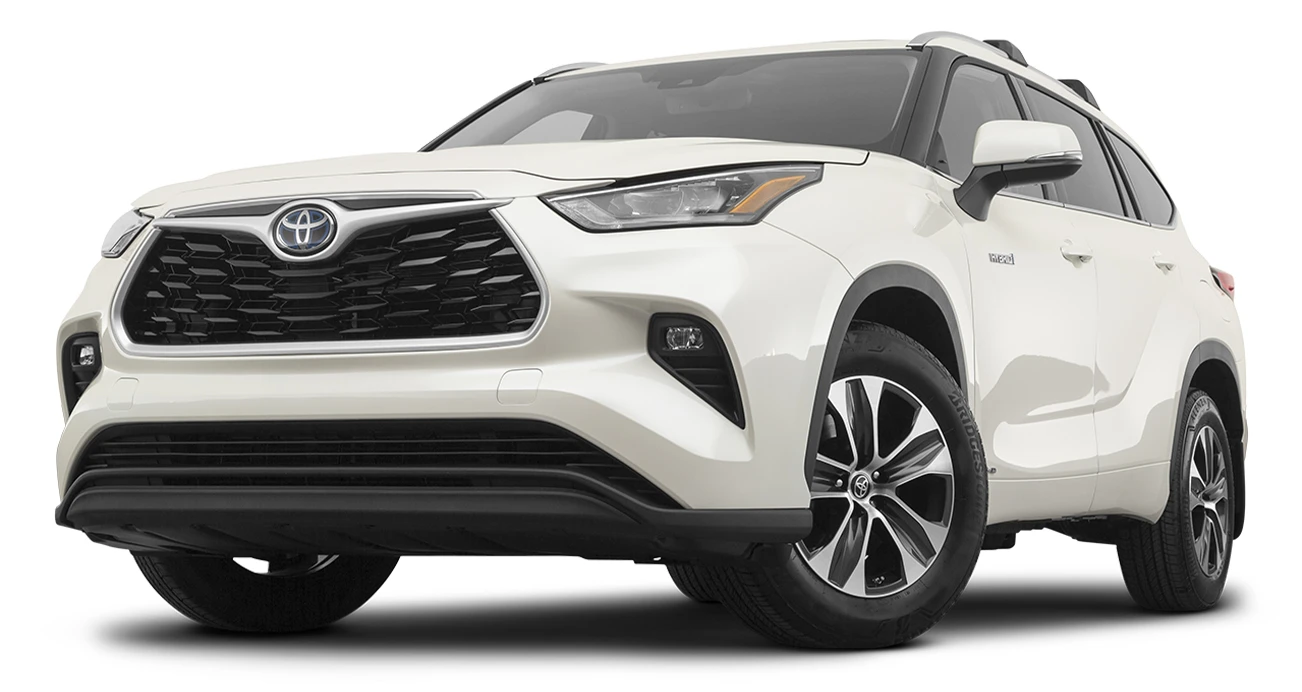
Highlights
All new for 2020
Slightly larger than last generation, with more cargo space behind third row
Apple CarPlay® and Android Auto™ added
Launched with previous model's V6 engine
Learn more
Previous generation from 2014 - 2019
2019 Toyota Highlander
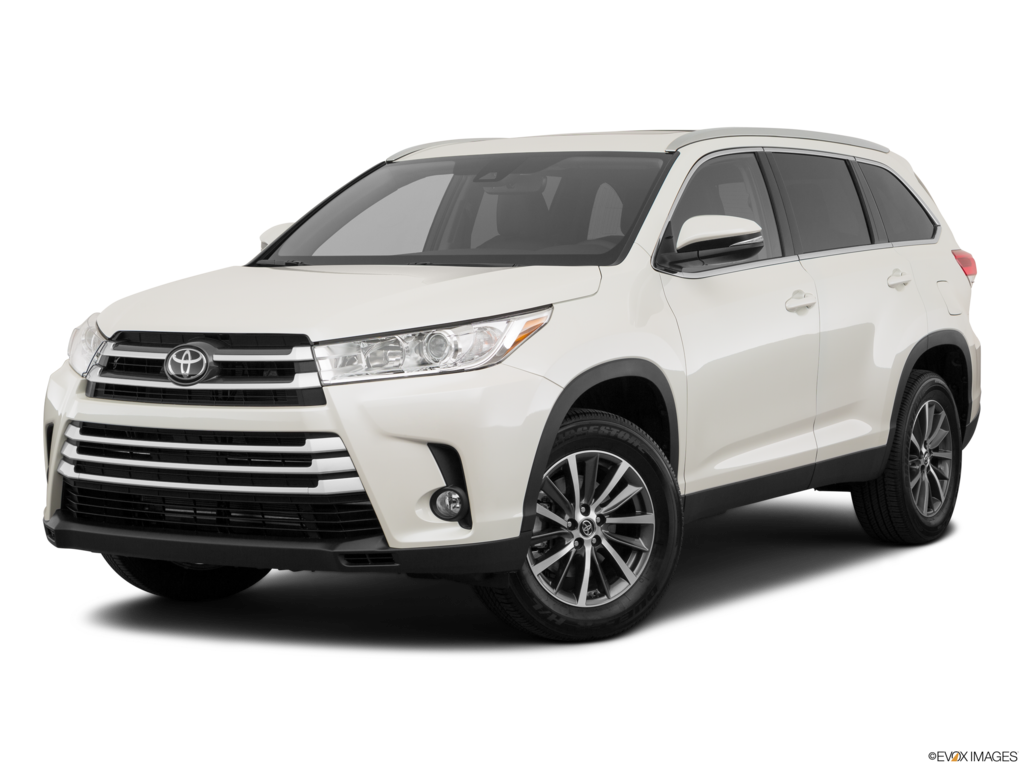
2018 Toyota Highlander
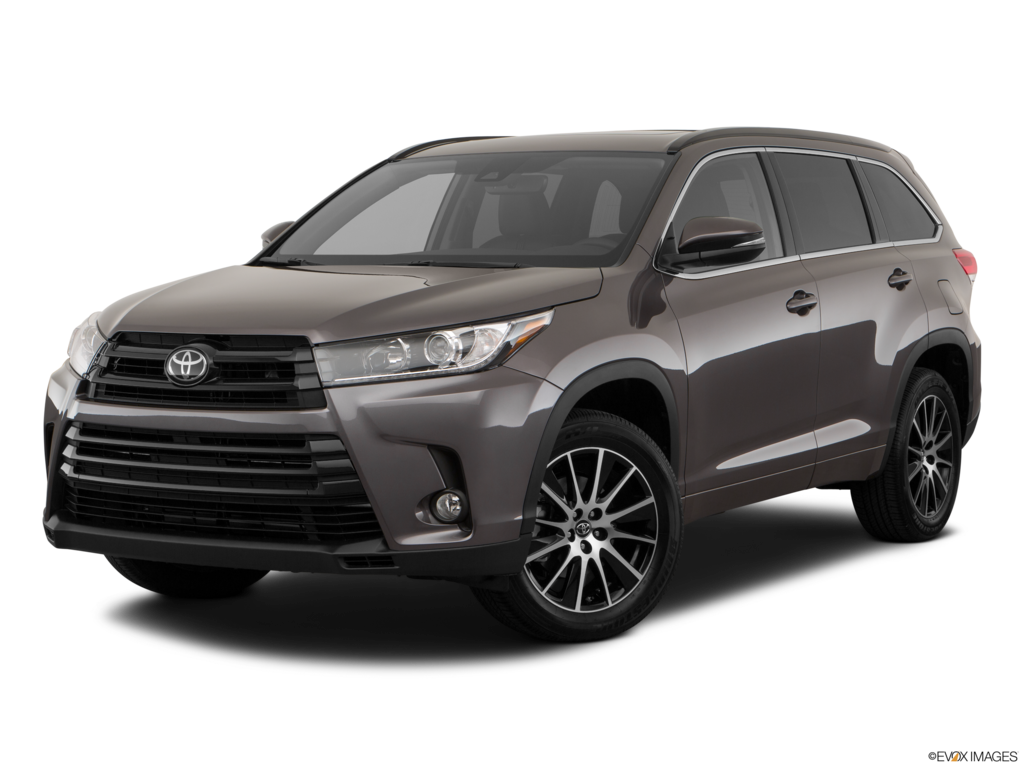
2017 Toyota Highlander
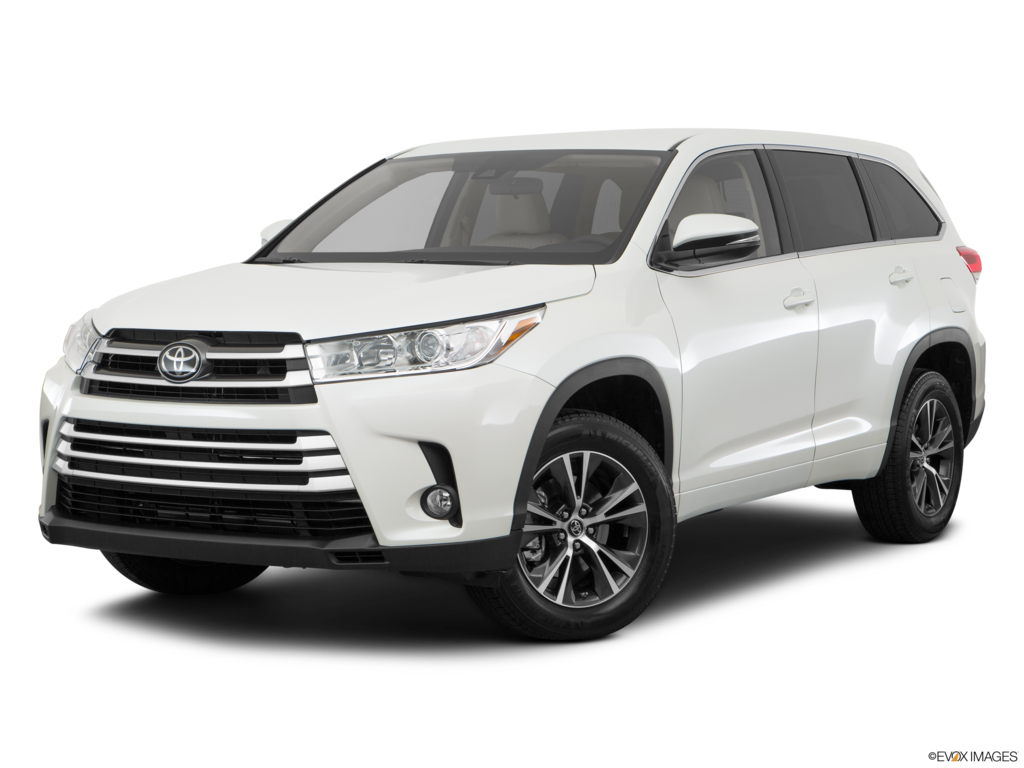
Highlights
Revised styling for midcycle update
Revised V6 with more power
New eight-speed automatic for V6
Sporty SE trim added
New Toyota Safety Sense® with precollision system, lane departure warning, automatic high beams, and adaptive cruise control
Learn more
2016 Toyota Highlander
2015 Toyota Highlander
2014 Toyota Highlander
Highlights
All-new for 2014 and larger in size
Revised styling leaned more into an SUV theme
V6 models came with six-speed automatic transmission
2.7-liter four-cylinder and 3.5-liter V6 engines carried over
Seating for up to eight passengers
Learn more
Looking for 2013 models or older?
CarMax only sells 2014 models and newer. But no matter the year, we'll happily buy your car.
Reliability
RepairPal gave the Toyota Highlander an overall reliability rating of 4 out of 5 stars, which RepairPal describes as Excellent. This rating ranks Toyota Highlander 6th out of 32 among Midsize SUVs.
RepairPal reports that the average total annual cost for repairs and maintenance on a Toyota Highlander is $458, compared to an average of $494 for Midsize SUVs and $591 for all the vehicles RepairPal considered in its dataset.
According to RepairPal, Toyota Highlander owners bring their vehicles into a repair shop for unscheduled repairs an average of 0.8 times per year, compared to an average of 1.0 times for Midsize SUVs and 1.3 times for all the vehicles RepairPal considered in its dataset.
RepairPal reported that the probability of a repair being a severe or major issue is 11% for the Toyota Highlander, compared to an average of 14% for Midsize SUVs and 14% for all the vehicles RepairPal considered in its dataset.
Jeff Zurschmeide has been an automotive journalist for more than 20 years, covering the new car business as well as motorsports and industry news. He lives in Tillamook, Oregon, at the confluence of great roads, nice weather, and plenty of space for a collection of strange old automobiles.
We hope you found this information helpful. This content is intended to inform and is not meant to provide legal, financial or investment advice. We make every effort to provide accurate information, but please verify before transacting and consider talking to a qualified professional about your unique circumstances.
Statements of fuel economy or EV range are based on EPA and other third-party estimates for vehicles when new. Fuel economy and EV range will degrade with time and vary based on age, driving conditions, vehicle history, and other conditions. See fueleconomy.gov for more info.
Editorial content contained on this page comes from Edmunds.com, Inc., a subsidiary of CarMax Enterprise Service, LLC, and information related to featured vehicles comes from third-party sources, including manufacturer information. Product and company names may be trademarks or registered trademarks of third-party entities. Use of them does not imply any affiliation with or endorsement by these entities. By clicking on any video links, you will be taken to a third-party site maintained by YouTube, Inc.