
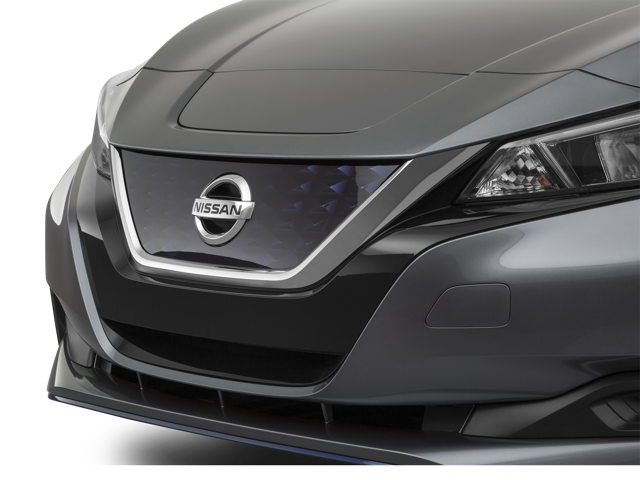
Nissan Leaf

The Nissan Leaf is an electric-powered five-seat hatchback, and it was among the first high-volume EVs on the mainstream consumer market, debuting for the 2011 model year. Now in its second generation, the Leaf’s main draw is its low price tag. Unfortunately, this upside is matched by a modest driving range that’s well below what many (more costly) EVs now offer. Another factor working against the Leaf is its outdated charge port. It limits the Leaf's fast-charging capability and requires an adapter to work with modern charging stations.
Explore the evolution of the Nissan Leaf
Get our expert take on used Nissan Leaf models, or view year-by-year changes.
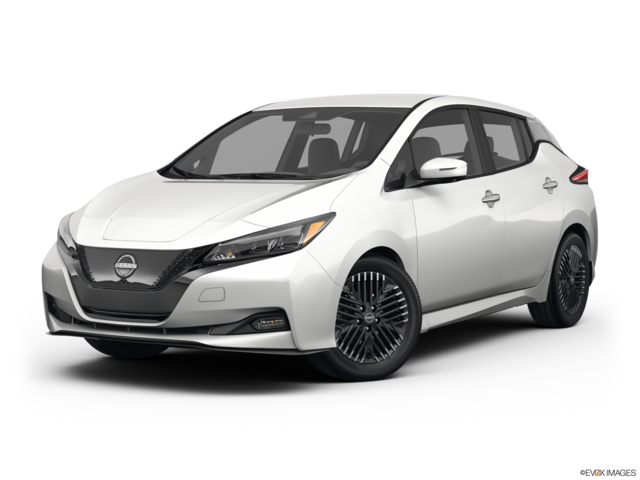
Second generation Nissan Leaf
The Nissan Leaf is a great pick if you’re looking for a comfortable electric vehicle with a low starting price. It offers room for five—though three in the back seat is going to be a squeeze—and a smooth, easygoing nature. The Leaf is currently offered in two trims and with two distinct drivetrains. The base S model has a 42-kWh battery pack that provides an EPA-rated 149 miles of driving range. One step upward is the Leaf SV that comes with a larger 62-kWh battery and offers 212 miles of driving range. The latter drivetrain also provides improved passing power, but, in this instance, the less expensive option (the S trim) makes more sense. To its credit, the Leaf comes with a generous amount of standard comfort and driver-assist features. These include an eight-inch touchscreen, wired Apple CarPlay® and Android Auto™ compatibility, four USB ports, keyless entry, automatic climate control, blind-spot monitoring, rear cross-traffic alert, lane departure warning, and rear seat reminder.
Model highlights
212 miles of range (SV Plus)
Smooth ride
Available ProPilot highway driving-assist package
Eight-inch touchscreen, wired smartphone capability
23.6 cubic feet of cargo space
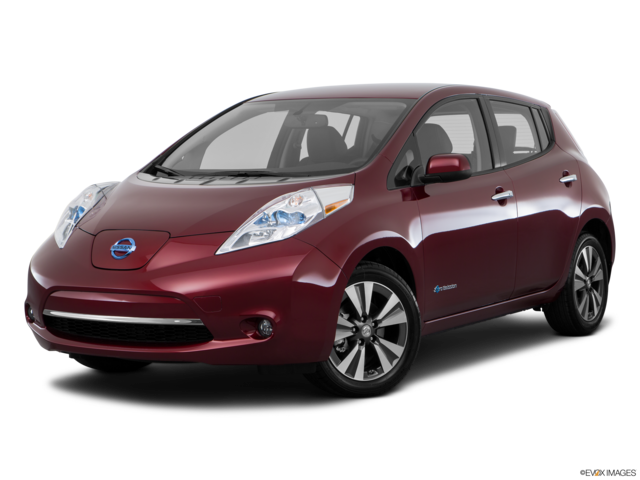
First generation Nissan Leaf
The Nissan Leaf arrived for the 2011 model year with all of 73 miles of EPA-estimated driving range. Over time, Nissan improved not only the Leaf’s battery longevity but also the comfort and convenience provided by this affordable five-seat EV. Driver-assist features, such as blind-spot monitoring and rear cross-traffic warning, and tech touches like Apple CarPlay® and Android Auto™ compatibility were also added over the years. Thanks to its near-silent electric drivetrain, the Leaf was commended for its smooth and quiet driving dynamics. Less appealing were quibbles like a folding split-configuration back seat that didn’t lie completely flat, along with lazy acceleration and limited highway passing power.
Model highlights
Front-wheel drive
Smooth suspension
City-friendly proportions
107 miles of range (2017 model year)
Roomy cargo hold
Changes by year
Latest generation from 2018 - 2025
2025 Nissan Leaf
2024 Nissan Leaf
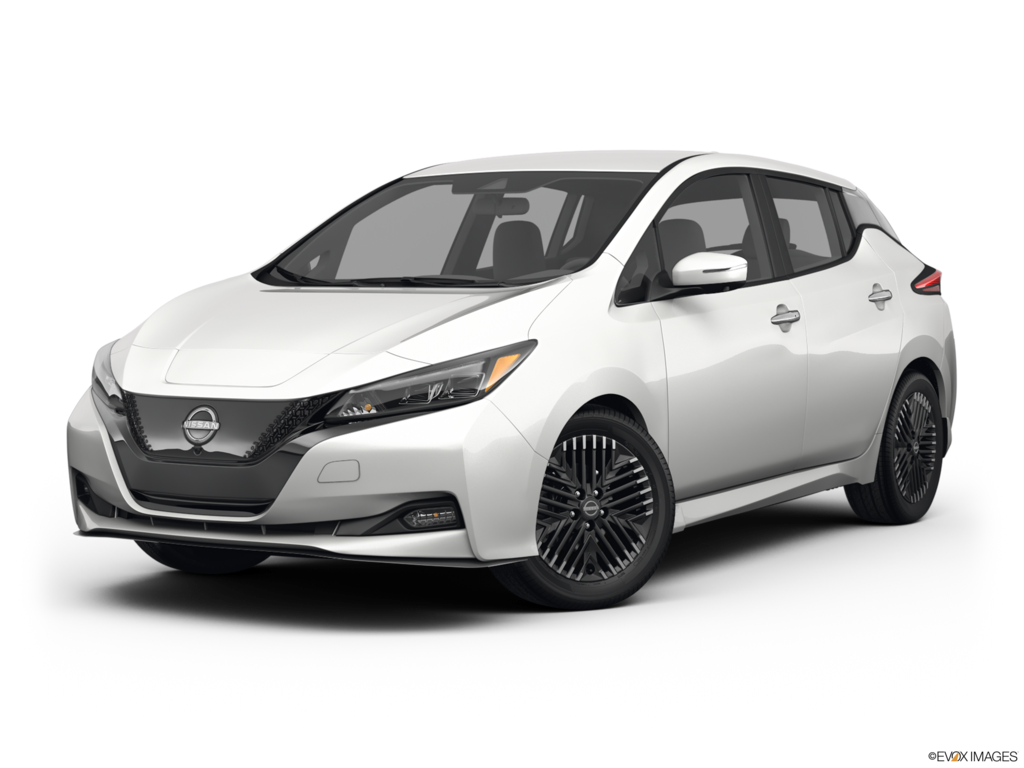
2023 Nissan Leaf
Highlights
Streamlined lineup cut trim levels from five to two
Slightly revised front-end design with illuminated Nissan grille badge
Learn more
2022 Nissan Leaf
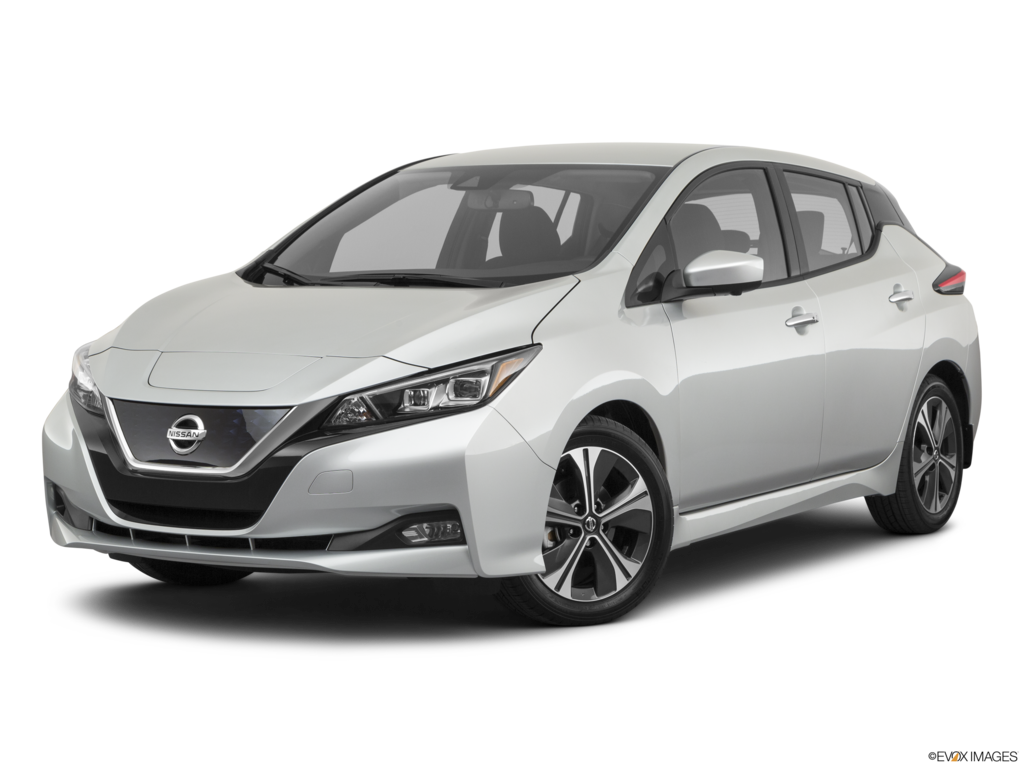
Highlights
Level 3 fast-charging port became standard
SV Plus trim received more standard features
Learn more
2021 Nissan Leaf
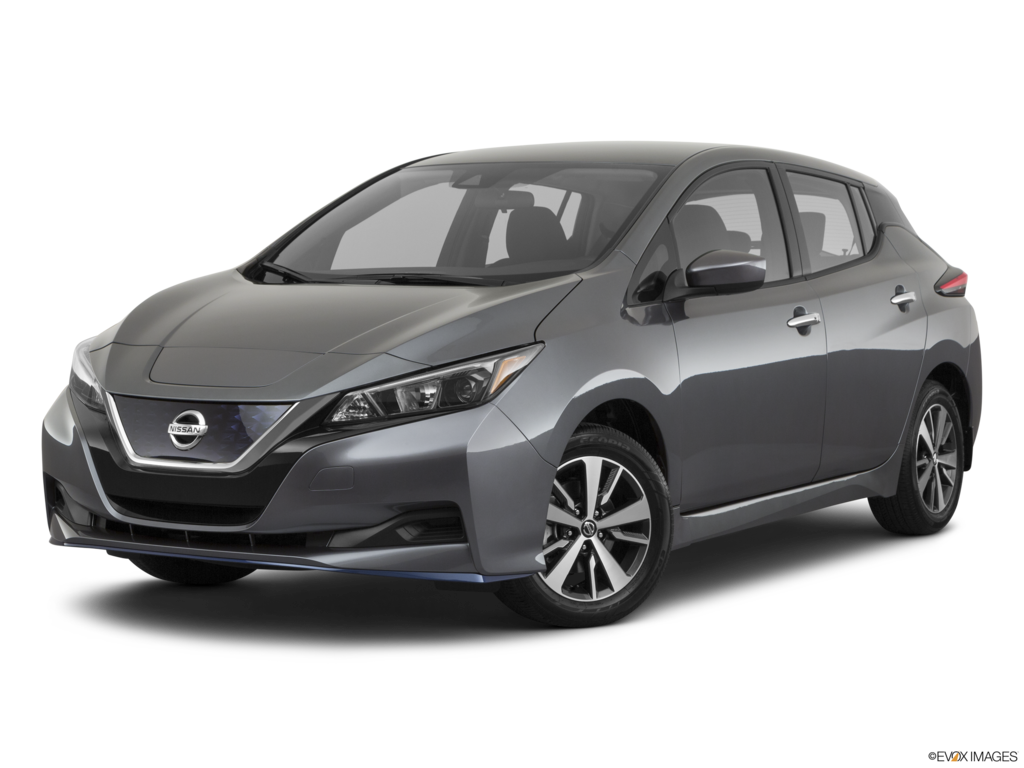
2020 Nissan Leaf
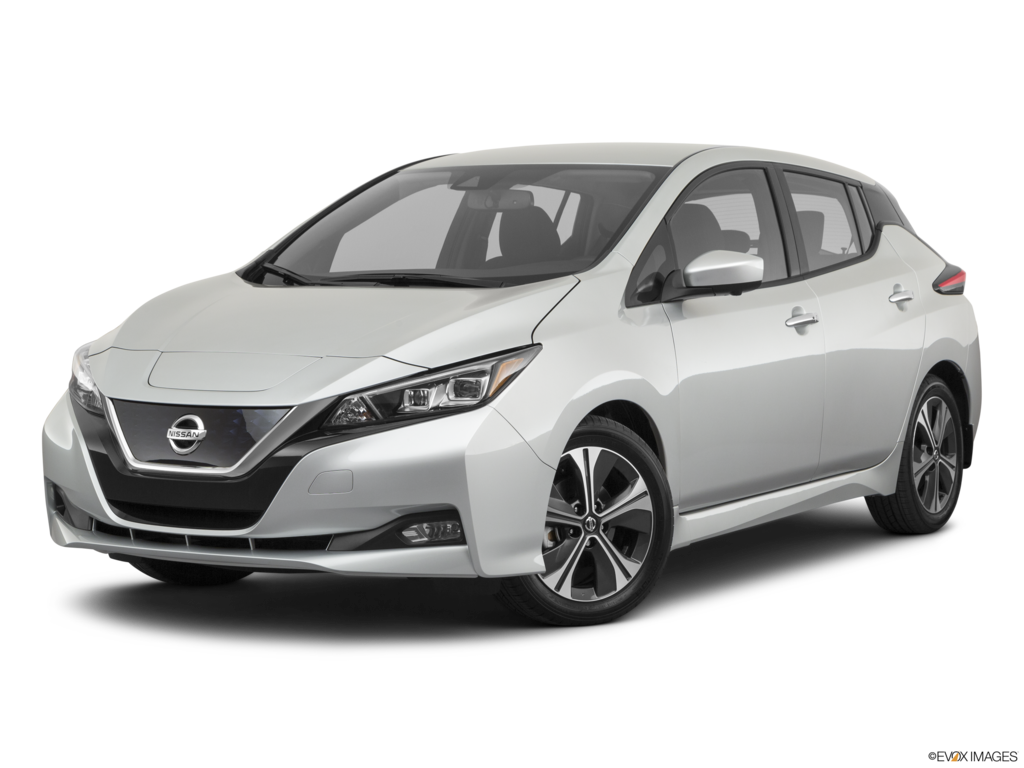
Highlights
Nissan Safety Shield® 360 suite of driver aids made standard
Wired Apple CarPlay® and Android Auto™ made standard
Additional airbags added for front and rear occupants
Telescoping function added to tilt steering wheel
Learn more
2019 Nissan Leaf
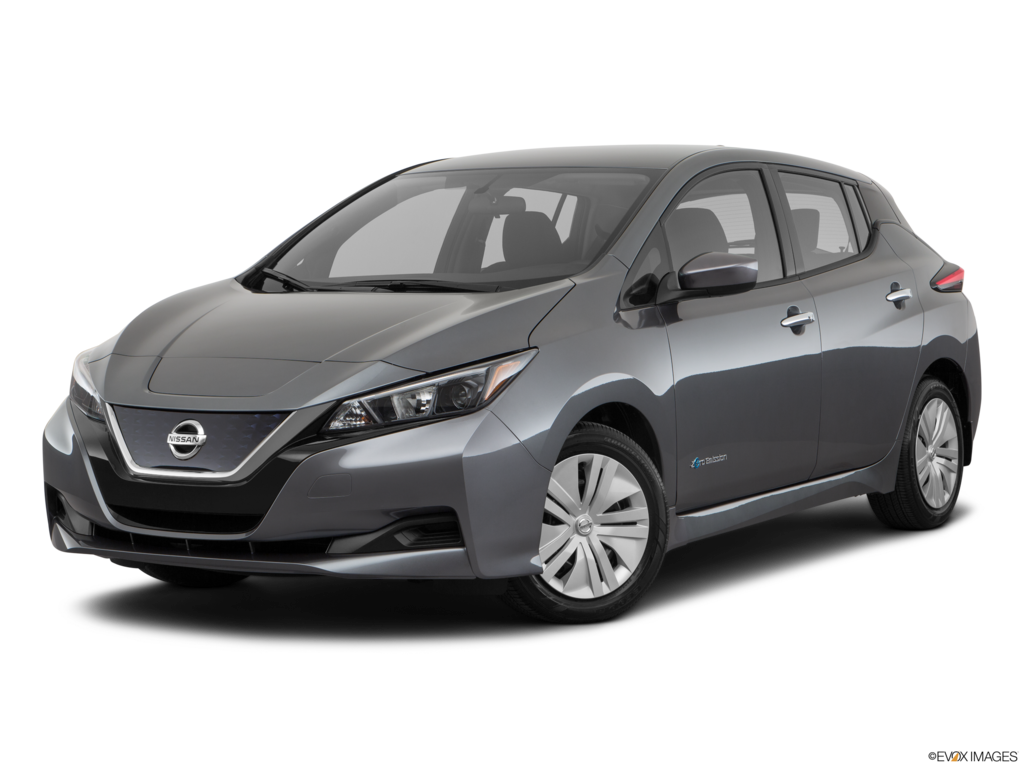
Highlights
Leaf Plus model debuted, with larger battery, 226-mile range, and more power
Learn more
2018 Nissan Leaf
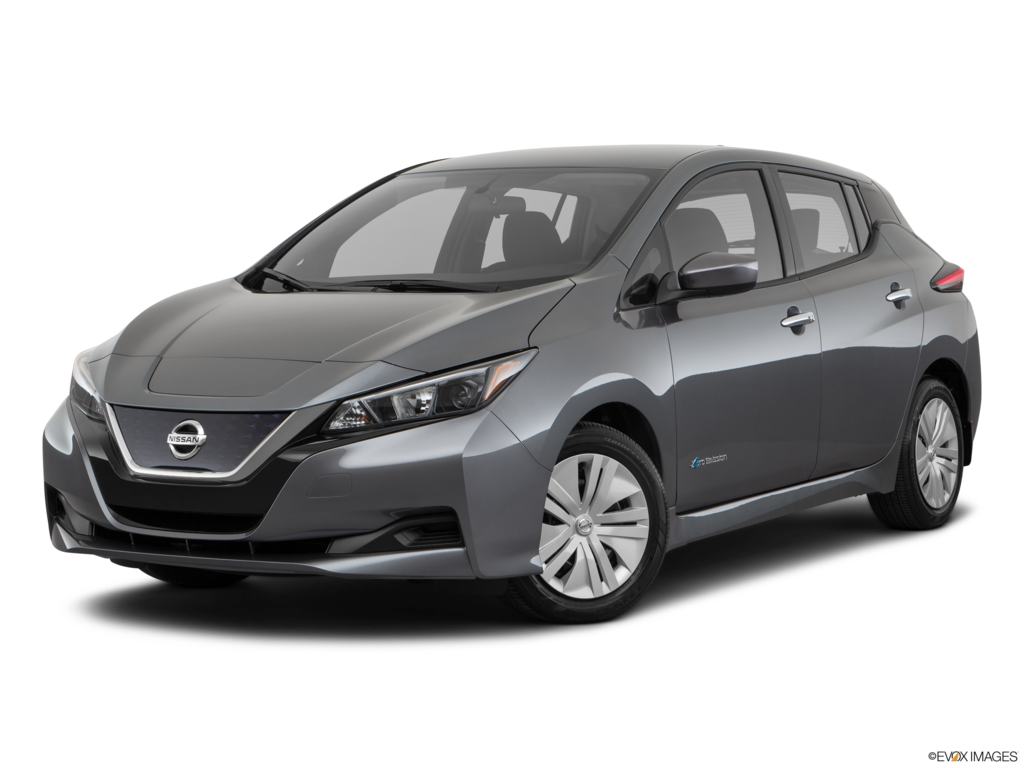
Highlights
New second-generation Leaf
Added horsepower and 151 miles of driving range
Updated exterior and interior designs
e-Pedal regenerative braking
ProPilot Assist driver aid package added
Learn more
Previous generation from 2011 - 2017
2017 Nissan Leaf
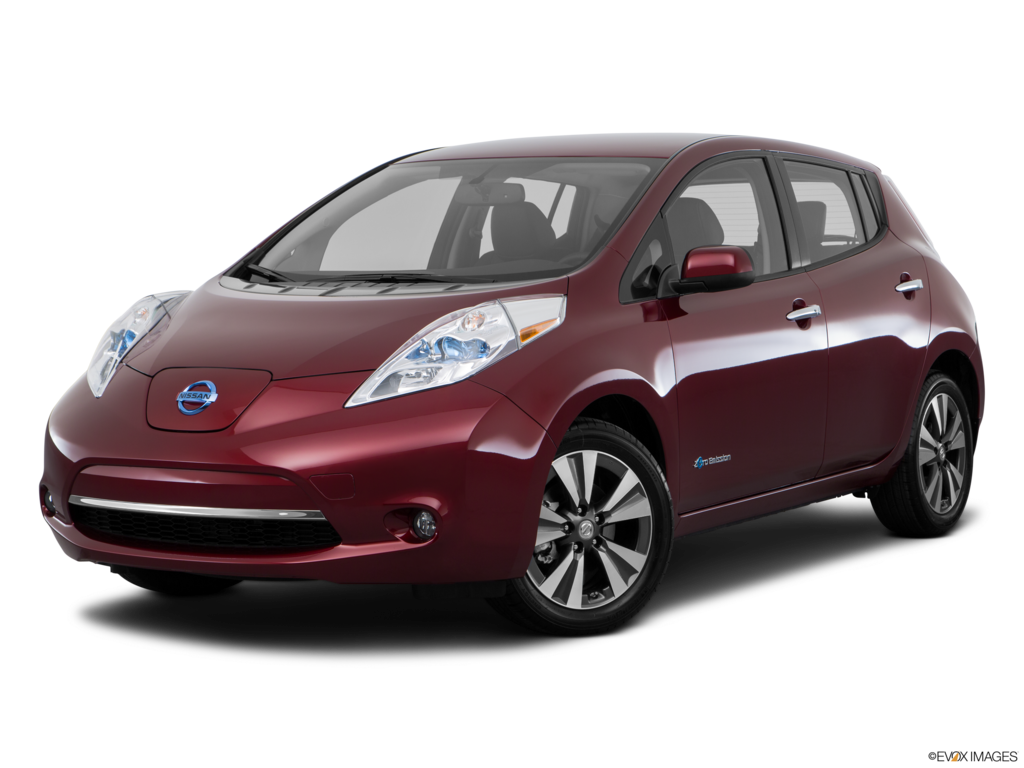
2016 Nissan Leaf
Highlights
Range improved to 107 miles in SV and SL trims
Navigation made standard on SV and SL trims
Learn more
2016 Nissan Leaf
Highlights
Updated regenerative braking mode
Improved voice controls on the SV and SL
SV trim got 17-inch wheels
Learn more
Looking for 2013 models or older?
CarMax only sells 2014 models and newer. But no matter the year, we'll happily buy your car.
Reliability
RepairPal gave the Nissan Leaf an overall reliability rating of 4.5 out of 5 stars, which RepairPal describes as Excellent. This rating ranks Nissan Leaf 1st out of 6 among Alternative Fuel Vehicles.
RepairPal reports that the average total annual cost for repairs and maintenance on a Nissan Leaf is $448, compared to an average of $371 for Alternative Fuel Vehicles and $591 for all the vehicles RepairPal considered in its dataset.
According to RepairPal, Nissan Leaf owners bring their vehicles into a repair shop for unscheduled repairs an average of 0.2 times per year, compared to an average of 0.5 times for Alternative Fuel Vehicles and 1.3 times for all the vehicles RepairPal considered in its dataset.
RepairPal reported that the probability of a repair being a severe or major issue is 7% for the Nissan Leaf, compared to an average of 9% for Alternative Fuel Vehicles and 14% for all the vehicles RepairPal considered in its dataset.
Nick Kurczewski has been writing about cars for more than 20 years, and his enthusiasm for journalism has led him to cover auto-related stories around the world. From blasting down the German autobahn to covering every major auto show, his stories have appeared in the New York Times, Car and Driver, U.S. News & World Report, Kelley Blue Book, Cars.com and the New York Daily News, where he served as head editor. Having once aspired to be a Formula One racer, Nick discovered sharing his passion for cars as a journalist is just as thrilling as dreaming of pole position at the Monaco Grand Prix.
We hope you found this information helpful. This content is intended to inform and is not meant to provide legal, financial or investment advice. We make every effort to provide accurate information, but please verify before transacting and consider talking to a qualified professional about your unique circumstances.
Statements of fuel economy or EV range are based on EPA and other third-party estimates for vehicles when new. Fuel economy and EV range will degrade with time and vary based on age, driving conditions, vehicle history, and other conditions. See fueleconomy.gov for more info.
Editorial content contained on this page comes from Edmunds.com, Inc., a subsidiary of CarMax Enterprise Service, LLC, and information related to featured vehicles comes from third-party sources, including manufacturer information. Product and company names may be trademarks or registered trademarks of third-party entities. Use of them does not imply any affiliation with or endorsement by these entities. By clicking on any video links, you will be taken to a third-party site maintained by YouTube, Inc.