
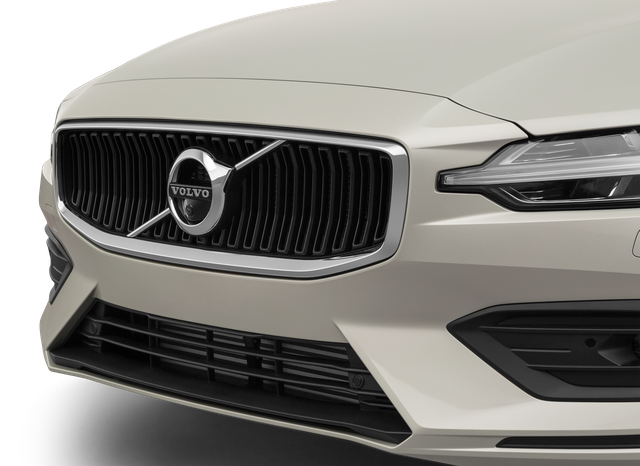
Volvo V60

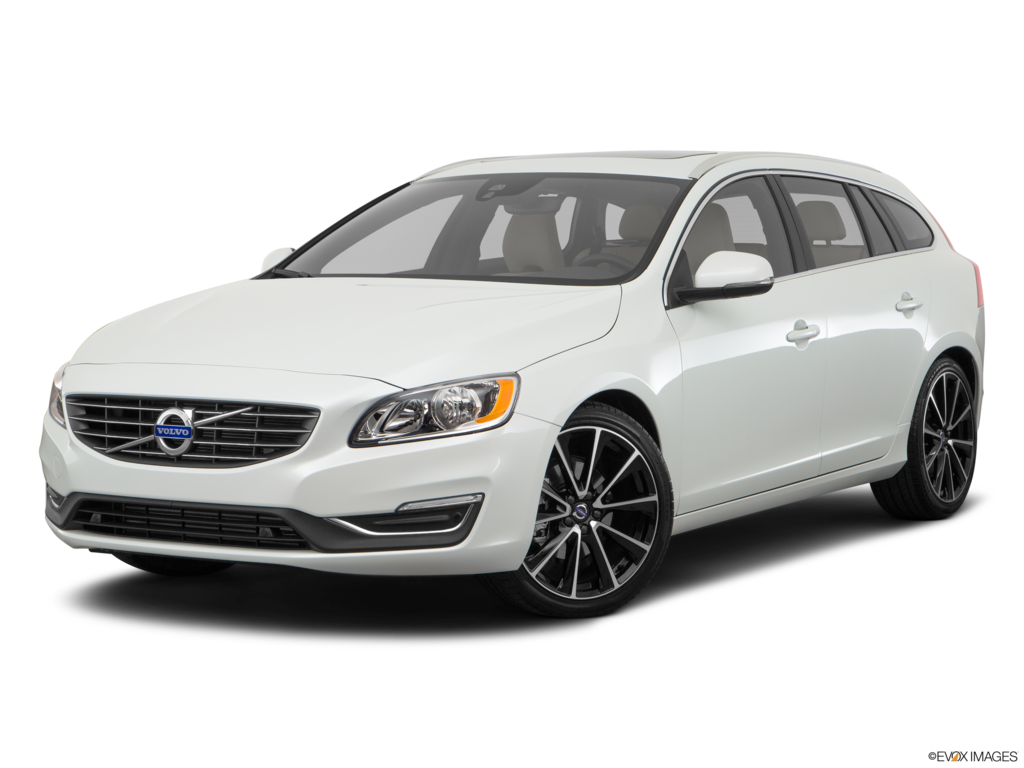
The Volvo V60 is the brand’s compact premium wagon, one of the last of its kind available in America, and 2021 was the final year for this stylish alternative to the traditional crossover SUV. For its final year, the V60 was available in three trim levels: Momentum, R-Design, and the luxurious Inscription. A plug-in hybrid V60 Recharge T8 Polestar Engineered continued on through 2025 and is covered separately. The rugged Cross Country version is also covered separately.
Explore the evolution of the Volvo V60
Get our expert take on used Volvo V60 models, or view year-by-year changes.


Second generation Volvo V60
The V60 was the last model in the lineup to benefit from the brand’s sleek, new look, and the difference from the previous generation is quite dramatic. The compact wagon was a bit of a rarity in the market even at the beginning of its second generation. Still, the body style made sense, with a spacious cabin for front- and rear-seat passengers, abundant cargo space, and the driving dynamics of a passenger car. The V60 featured the brand’s Sensus Connect infotainment system, displayed on a nine-inch touchscreen, with Apple CarPlay® and Android Auto™.
Two engines were offered at the time of launch: the T5 turbocharged four-cylinder and the T6 turbocharged and supercharged engine, the latter putting out a plentiful 316 horsepower. Volvo also offered a more powerful plug-in hybrid T8, which we cover separately. The T6 was discontinued in 2020.
Model highlights
Powerful turbo and supercharged engine (discontinued in 2020)
Available all-wheel drive
Standard Apple CarPlay® and Android Auto™
Extensive driver-assist features
First generation Volvo V60
Volvo has a rich history of offering wagons in its lineup, but it had been without a wagon for a few years when the V60 arrived. Based on the refreshed S60 sedan, the V60 wagon’s design was a clear departure from earlier square-shaped models, with a new look using curved lines and a sleek roofline. Inside, the V60 felt upscale with refined materials, although the infotainment system controls could be challenging to use. The front seats offered effective passenger space with supportive padding, but taller rear-seat passengers would find the legroom somewhat limited. All V60s were available with a range of advanced driver-assist features, including forward collision warning and automatic emergency braking.
Multiple engine options were available for the V60, with a 2.0-liter turbocharged four and front-wheel drive as the base powertrain. All-wheel drive versions were available with either a 2.5-liter five-cylinder engine or a more powerful turbocharged 3.0-liter six-cylinder. Topping the lineup was the high-performance Polestar, boasting a turbocharged and supercharged four-cylinder putting out a healthy 362 horsepower with a six-speed automatic transmission.
Model highlights
Powerful Polestar variant
Available with front- or all-wheel drive
Fuel-efficient engines
No Apple CarPlay®/Android Auto™
Extensive advanced driver-assist systems available
Changes by year
Latest generation from 2019 - 2021
2021 Volvo V60
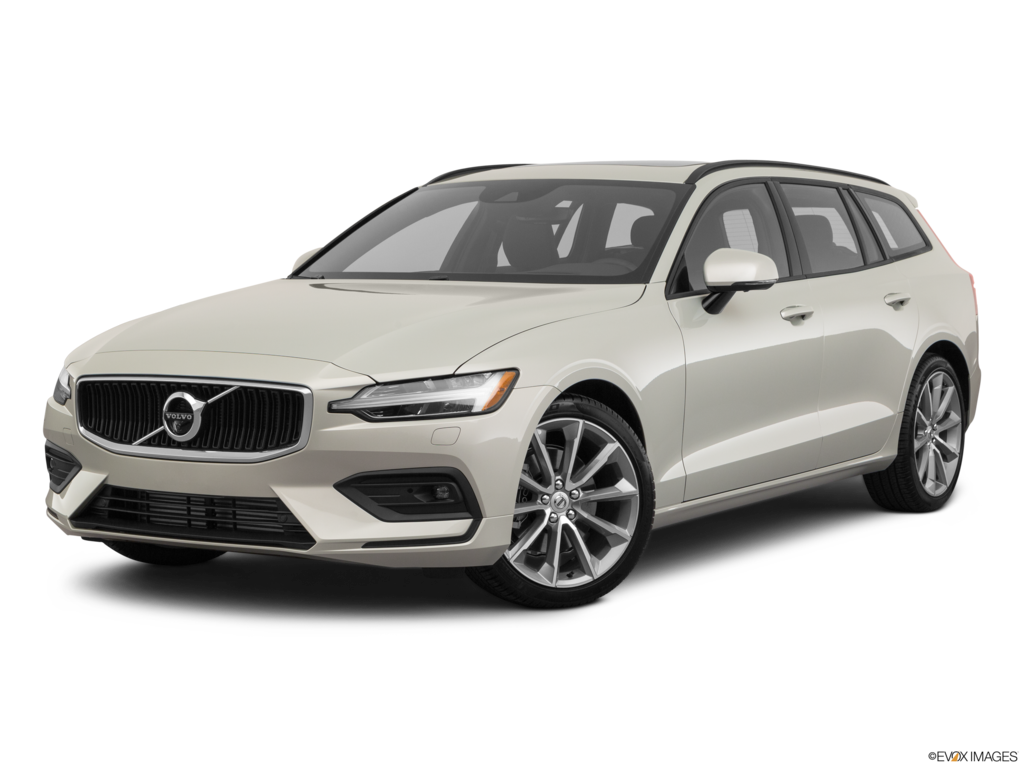
2020 Volvo V60
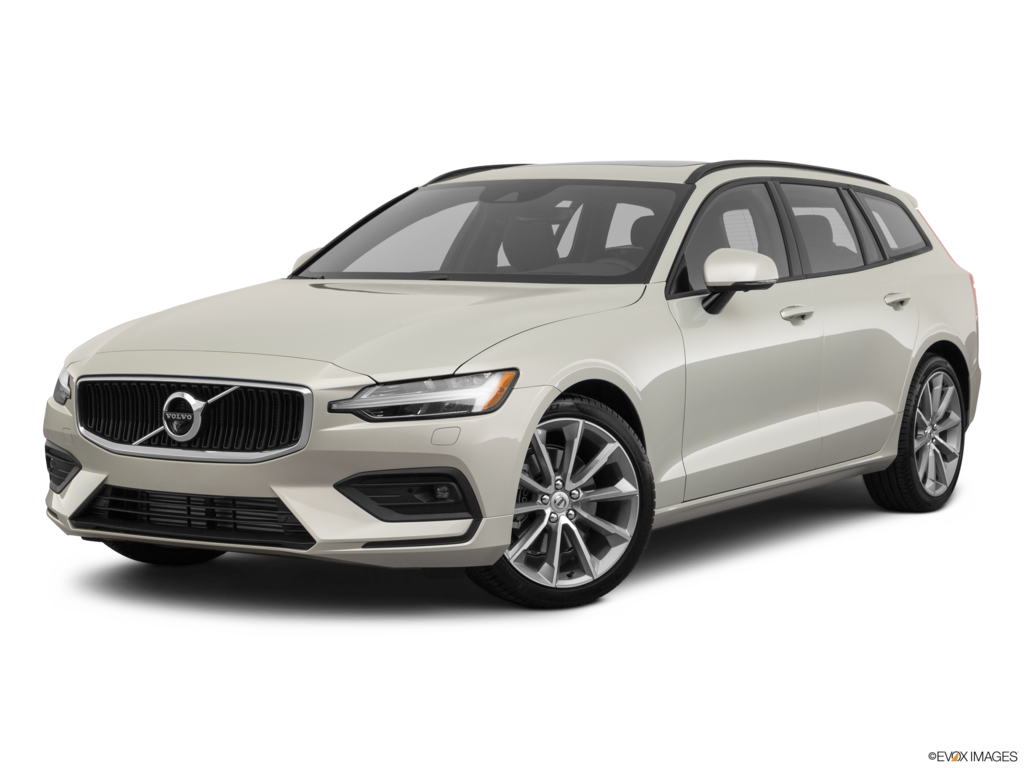
2019 Volvo V60
Previous generation from 2015 - 2018
2018 Volvo V60
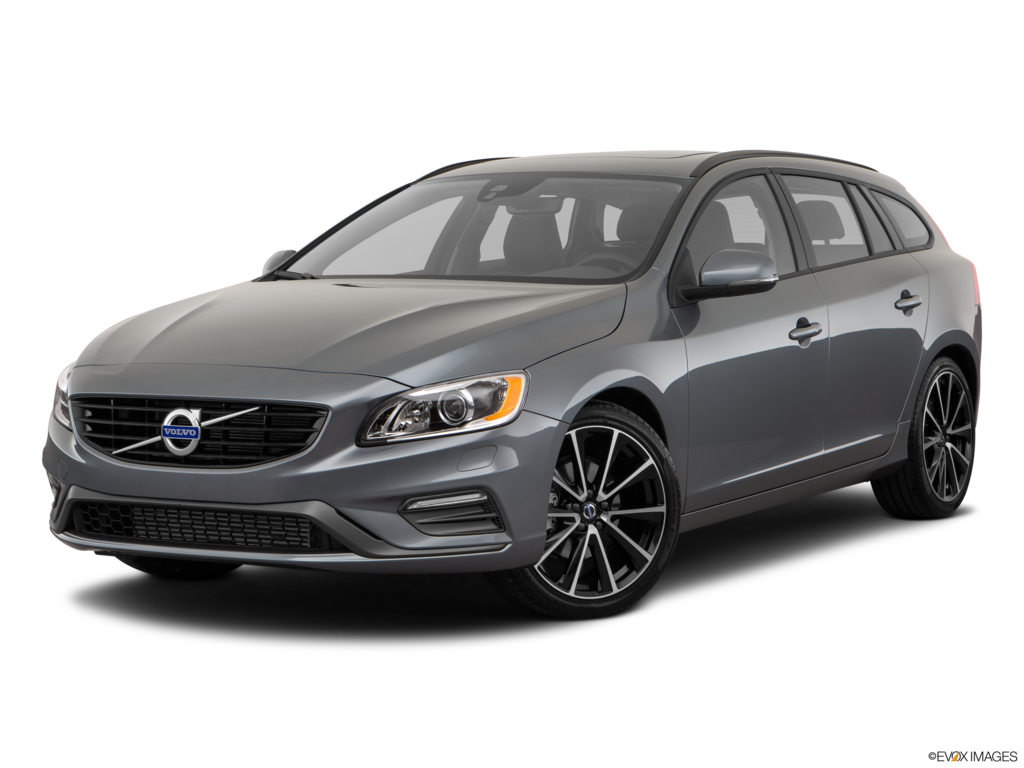
2017 Volvo V60
2016 Volvo V60
2015 Volvo V60
Reliability
RepairPal gave the Volvo V60 an overall reliability rating of 3.5 out of 5 stars, which RepairPal describes as Above Average. This rating ranks Volvo V60 30th out of 68 among Luxury Midsize Cars.
RepairPal reports that the average total annual cost for repairs and maintenance on a Volvo V60 is $684, compared to an average of $617 for Luxury Midsize Cars and $591 for all the vehicles RepairPal considered in its dataset.
According to RepairPal, Volvo V60 owners bring their vehicles into a repair shop for unscheduled repairs an average of 1.3 times per year, compared to an average of 1.4 times for Luxury Midsize Cars and 1.3 times for all the vehicles RepairPal considered in its dataset.
RepairPal reported that the probability of a repair being a severe or major issue is 7% for the Volvo V60, compared to an average of 13% for Luxury Midsize Cars and 14% for all the vehicles RepairPal considered in its dataset.
Perry Stern has been writing about cars for almost 30 years and has been an enthusiast for much longer than that. Contributing to multiple automotive publications, Perry drives almost every new car on the market, ranging from base-level Kias to exotic high-performance Lamborghinis. But his favorite is still the 2006 Mazda Miata parked in his garage.
We hope you found this information helpful. This content is intended to inform and is not meant to provide legal, financial or investment advice. We make every effort to provide accurate information, but please verify before transacting and consider talking to a qualified professional about your unique circumstances.
Statements of fuel economy or EV range are based on EPA and other third-party estimates for vehicles when new. Fuel economy and EV range will degrade with time and vary based on age, driving conditions, vehicle history, and other conditions. See fueleconomy.gov for more info.
Editorial content contained on this page comes from Edmunds.com, Inc., a subsidiary of CarMax Enterprise Service, LLC, and information related to featured vehicles comes from third-party sources, including manufacturer information. Product and company names may be trademarks or registered trademarks of third-party entities. Use of them does not imply any affiliation with or endorsement by these entities. By clicking on any video links, you will be taken to a third-party site maintained by YouTube, Inc.