
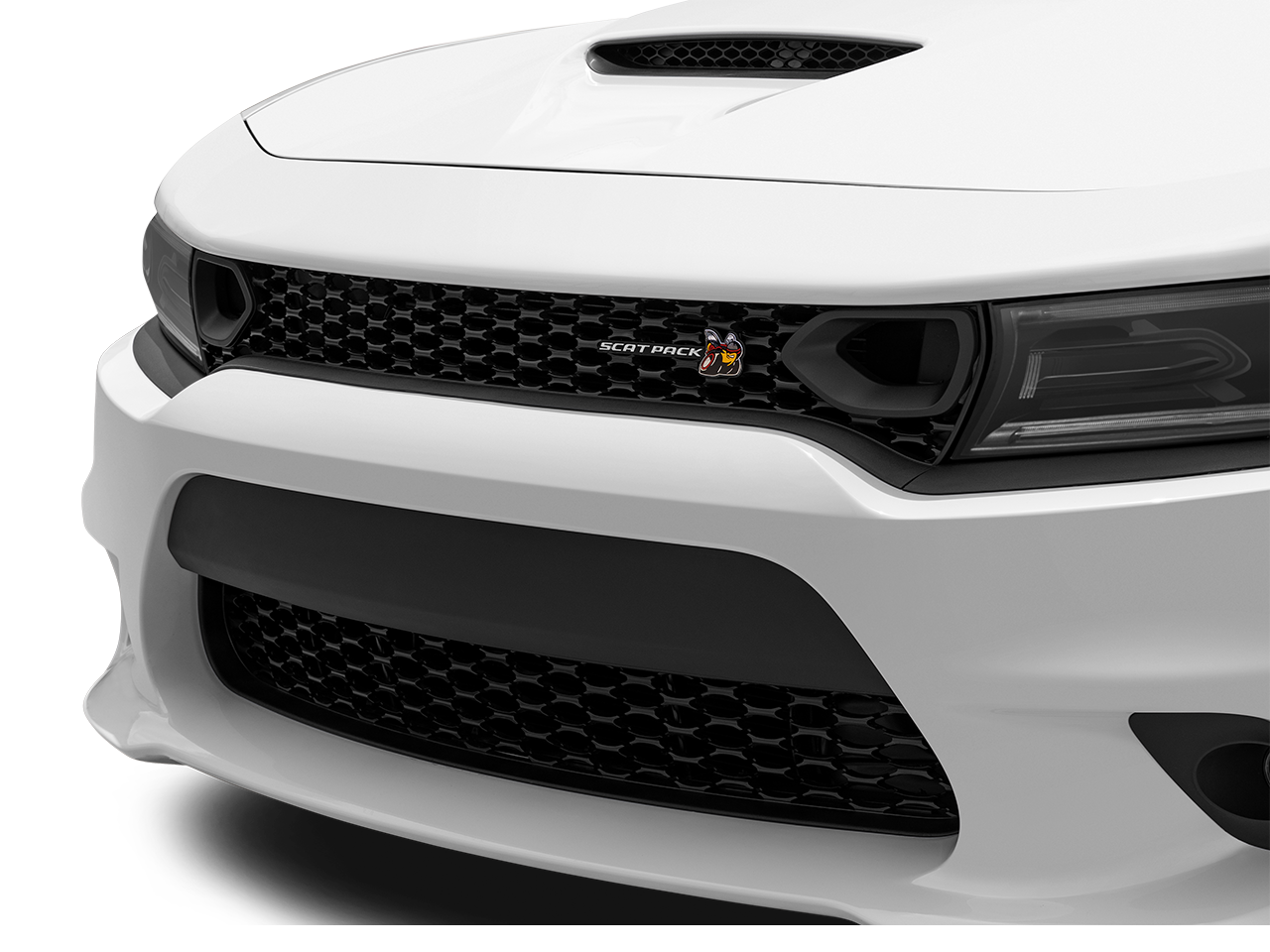
Dodge Charger

The 2025 Dodge Charger Daytona is a complete departure from previous generations of this iconic four-door muscle car, in both style and power. Not only does it feature fresh styling reminiscent of 1960s Chargers, but it's offered as either a two- or four-door model. Even more significantly, the legendary HEMI® V8 is gone, replaced by a dual-motor electric drivetrain delivering as much as 670 horsepower with all-wheel drive. Later in the model year, Dodge plans to add the Charger Sixpack, featuring a high-output version of the brand’s Hurricane twin-turbo six-cylinder engine.
Explore the evolution of the Dodge Charger
Get our expert take on used Dodge Charger models, or view year-by-year changes.

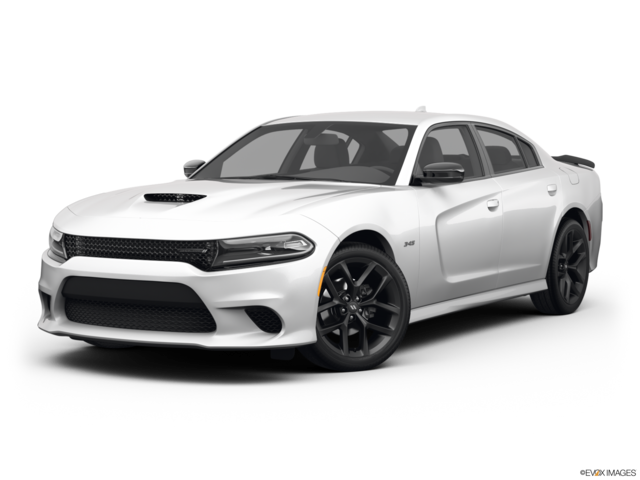

Eighth generation Dodge Charger
The iconic Dodge Charger moves in a completely new direction for its eighth generation, becoming the brand’s first electric muscle car.
Everything changes for this generation Dodge Charger. However, while it is a complete departure from previous versions, there are clear styling cues from early Chargers that make it look familiar. The eighth-gen Charger also returns to its roots as a two-door coupe, though a four-door configuration is still offered.
Inside, the new Charger gets a modern, high-tech vibe, with a 12.3-inch center display running the latest version of the Uconnect® infotainment system, pairing well with the available 16-inch digital driver’s display. Sport seats are designed for style and comfort, and like the outgoing Charger, there is a usable rear seat.
Two electric variants are available in the first year of this new generation: the Charger Daytona R/T gets 496 horsepower, while the Scat Pack boasts 670 horsepower and a 0-60 mph time of just 3.3 seconds. Both include standard all-wheel drive. Dodge also plans to offer the new Charger Sixpack, which swaps the electric powertrain for a twin-turbo six-cylinder engine delivering as much as 550 horsepower in the high-output (H.O.) version.
Model highlights
New electric drivetrain
Two- and four-door variants
Standard all-wheel drive
High-tech cabin design
Unique Fratzonic exhaust
Seventh generation Dodge Charger
With fresh styling inside and out, the seventh-generation Dodge Charger arrives with more standard horsepower and an updated chassis.
While the overall shape and size remained the same as the previous generation, the updated Dodge Charger received fresh styling in 2011, then again in 2015 and 2019. As new, more powerful variants were added to the lineup, the Charger’s look became more aggressive, offering versions with Widebody styling and an integrated hood scoop.
A 3.6-liter Pentastar V6 was the standard engine for the seventh generation Charger, with an available 5.7-liter HEMI® V8. Over the generation’s 13-year run, Dodge continued to add higher-performance variants, topping out in its final year with the 6.2-liter supercharged HEMI V8 putting out an astounding 807 horsepower in the SRT® Hellcat Redeye. Other special editions included the King Daytona, Swinger, Super Bee, and Daytona 392.
The seventh-generation Charger also received an extensive list of advanced driver-assist features, including adaptive cruise control, forward collision warning, blind-spot monitoring, and a rearview camera. Lane departure warning, lane keeping assistance, and rear cross-traffic alert were added later in the generation.
Model highlights
Standard 3.6-liter Pentastar V6
Fresh styling
Supercharged Hellcat variants (starting in 2015)
Multiple signature colors (like Octane Red, Sublime Green, and White Knuckle)
Widebody styling (starting in 2020)
Changes by year
Latest generation from 2024 - present
2025 Dodge Charger
2024 Dodge Charger
Highlights
All-new design
Fully electric drivetrain
High-tech interior theme
Standard all-wheel drive
Learn more
Previous generation from 2011 - 2023
2023 Dodge Charger
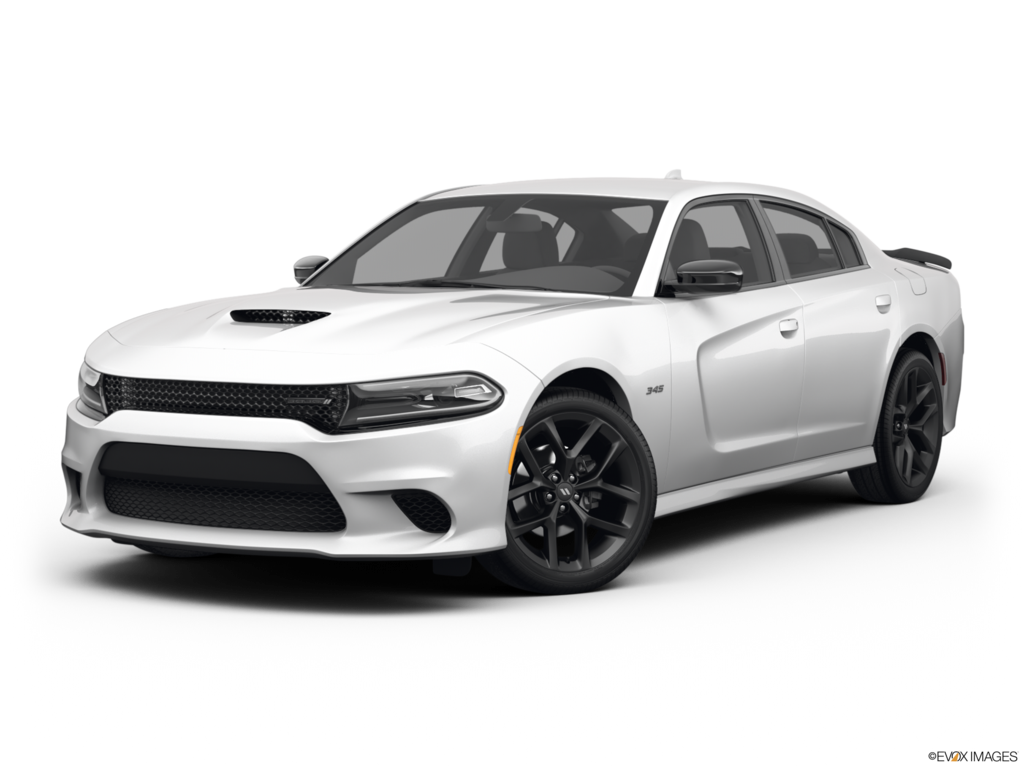
Highlights
Special Last Call trims and heritage colors available
Final year of the seventh generation
Learn more
2022 Dodge Charger
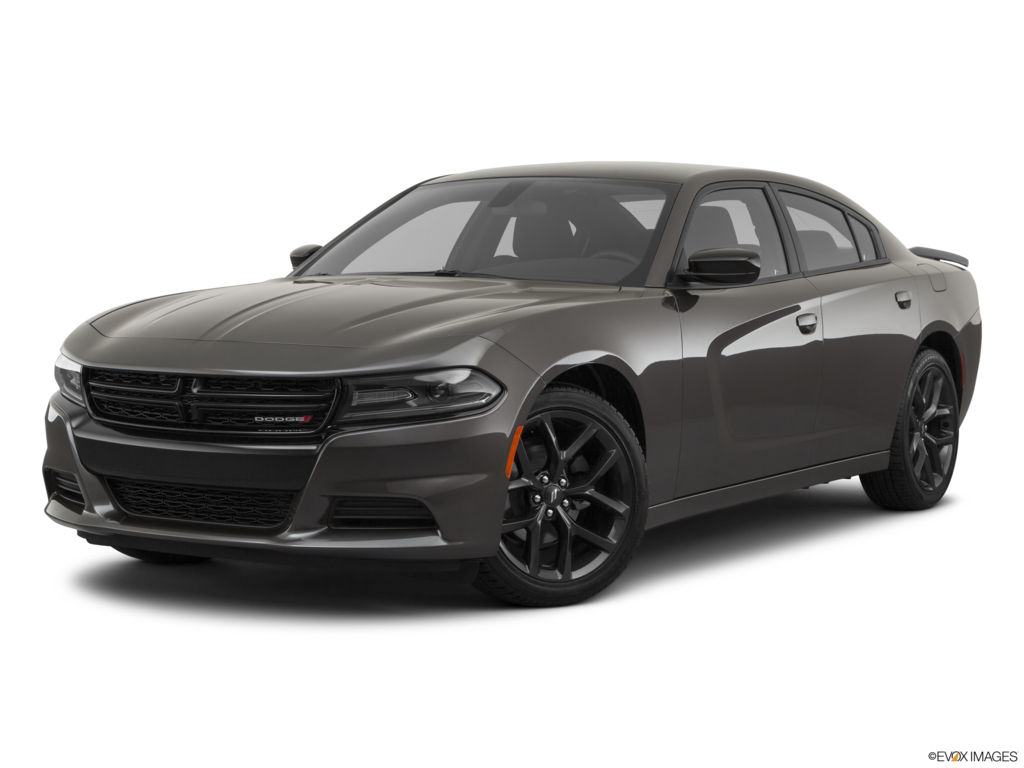
2021 Dodge Charger
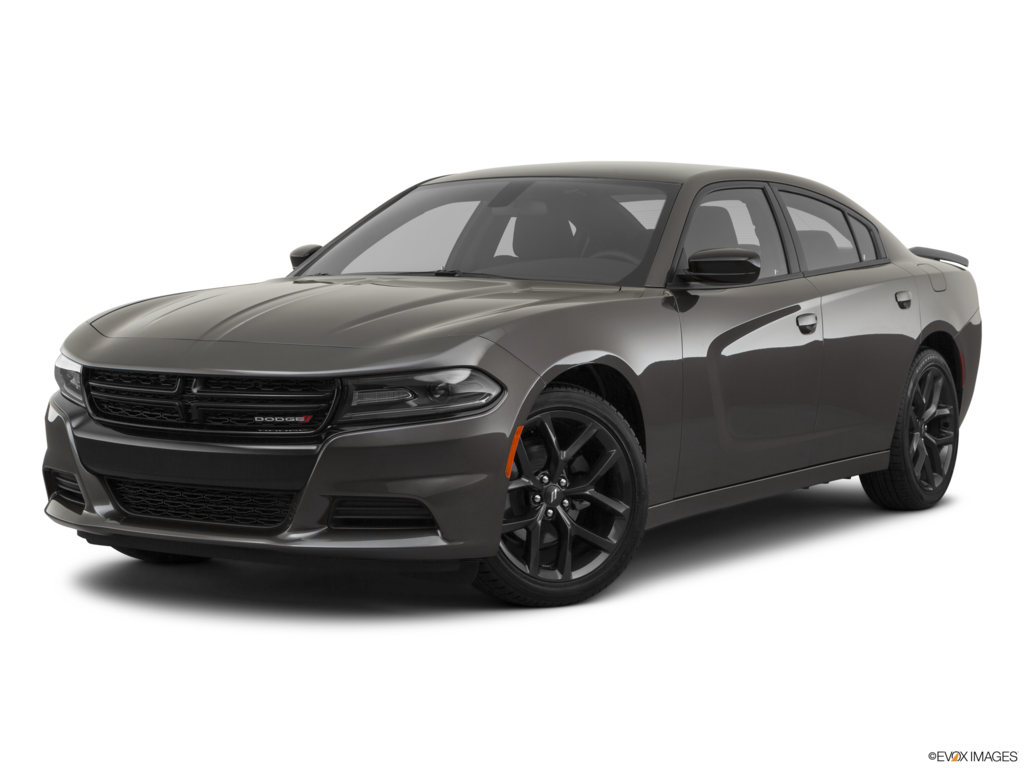
2020 Dodge Charger
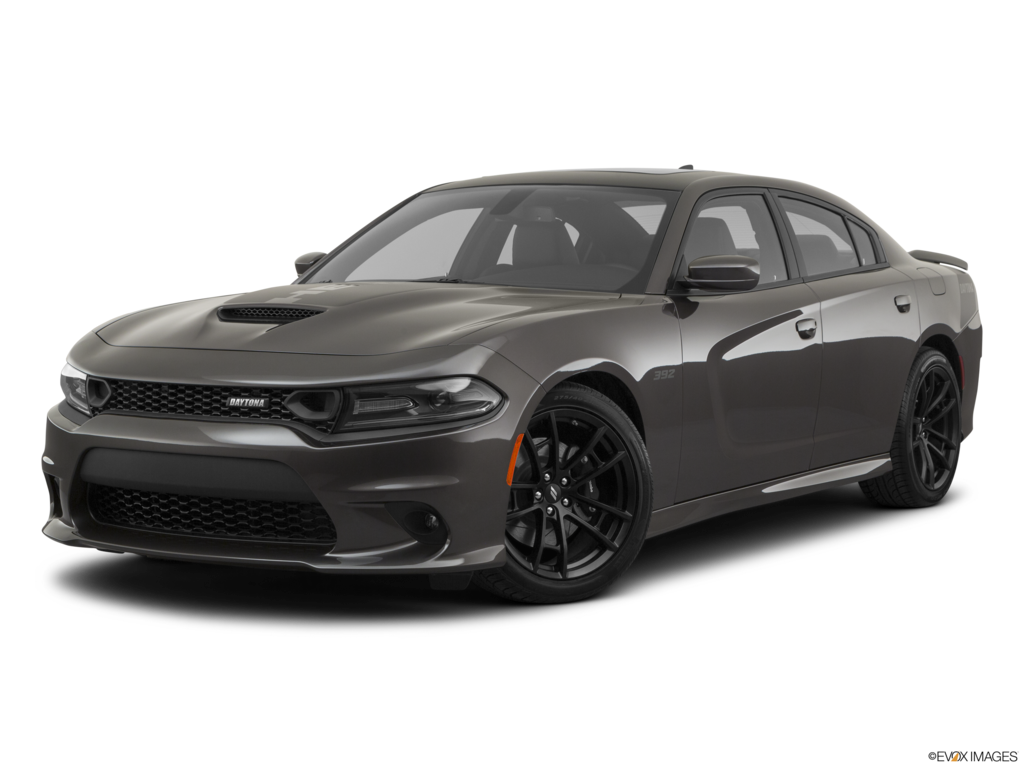
Highlights
Daytona 50th Anniversary Edition joins the lineup
Widebody versions offered for Hellcat and Scat Pack
Learn more
2019 Dodge Charger
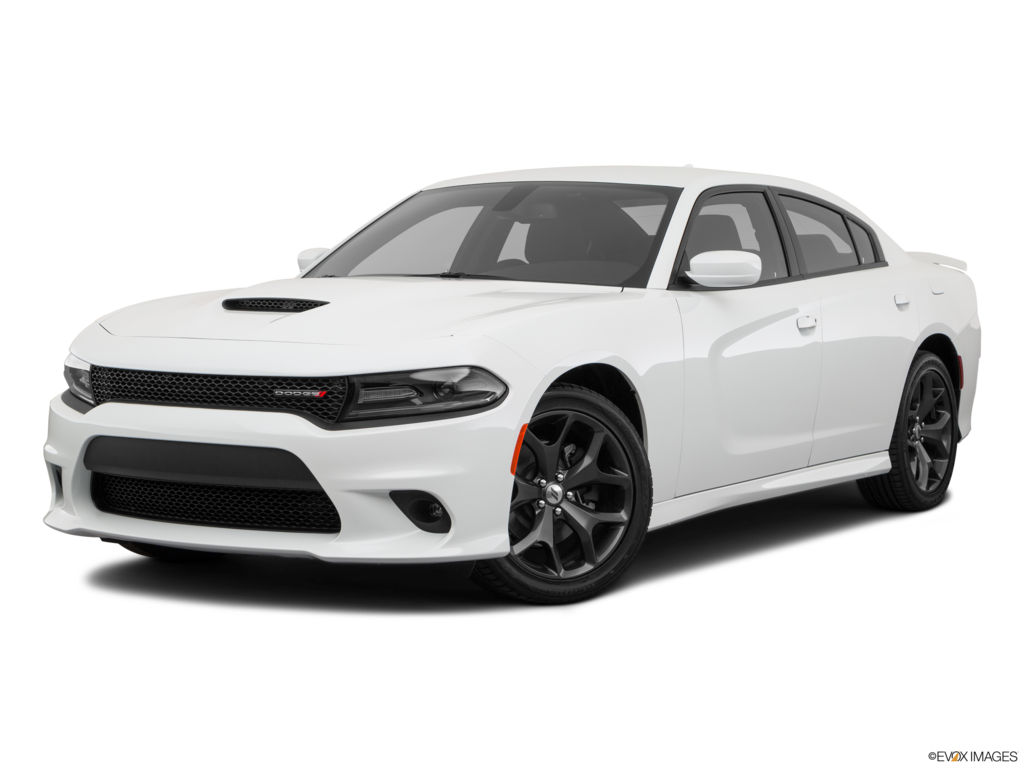
2018 Dodge Charger
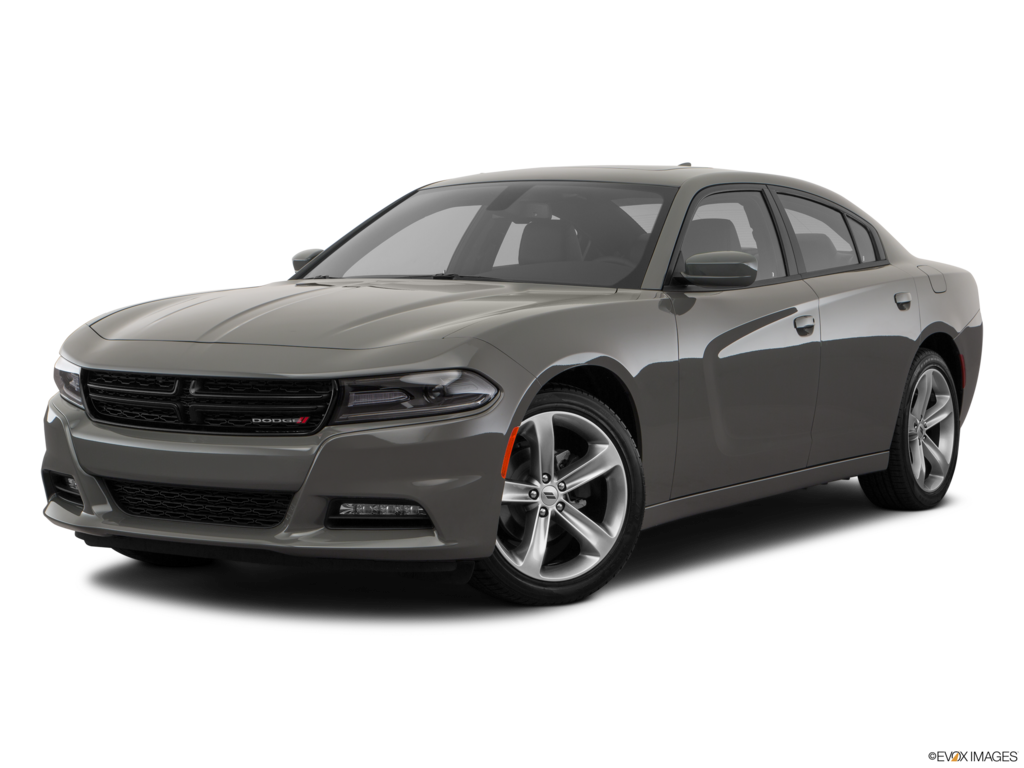
Highlights
SRT® Hellcat gets a new grille and wheels
Adjustment of trim names and features
Rearview camera and parking sensors now standard
Learn more
2017 Dodge Charger
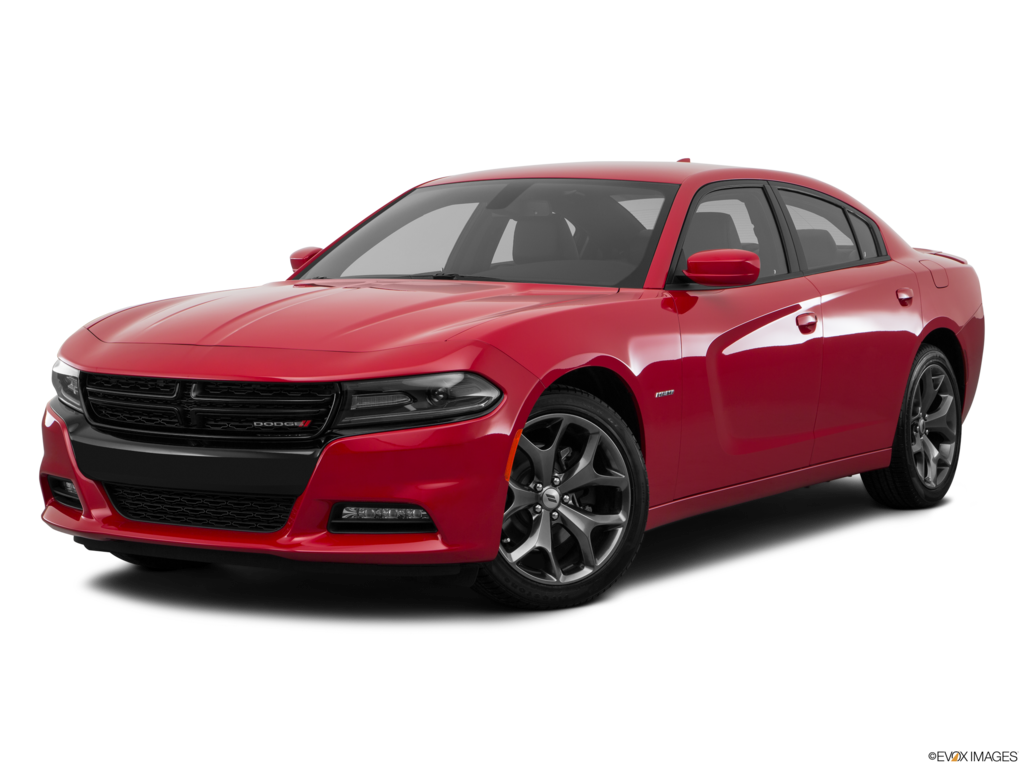
Highlights
New active exhaust available
Upgraded Uconnect® infotainment system with Apple CarPlay®/Android Auto™
Charger Daytona returns
Learn more
2016 Dodge Charger
Highlights
Standard leather seats and HD Radio™ for SRT® 392 and Hellcat
Blacktop Appearance package returns
Super Track Pack offered on SXT
Learn more
2015 Dodge Charger
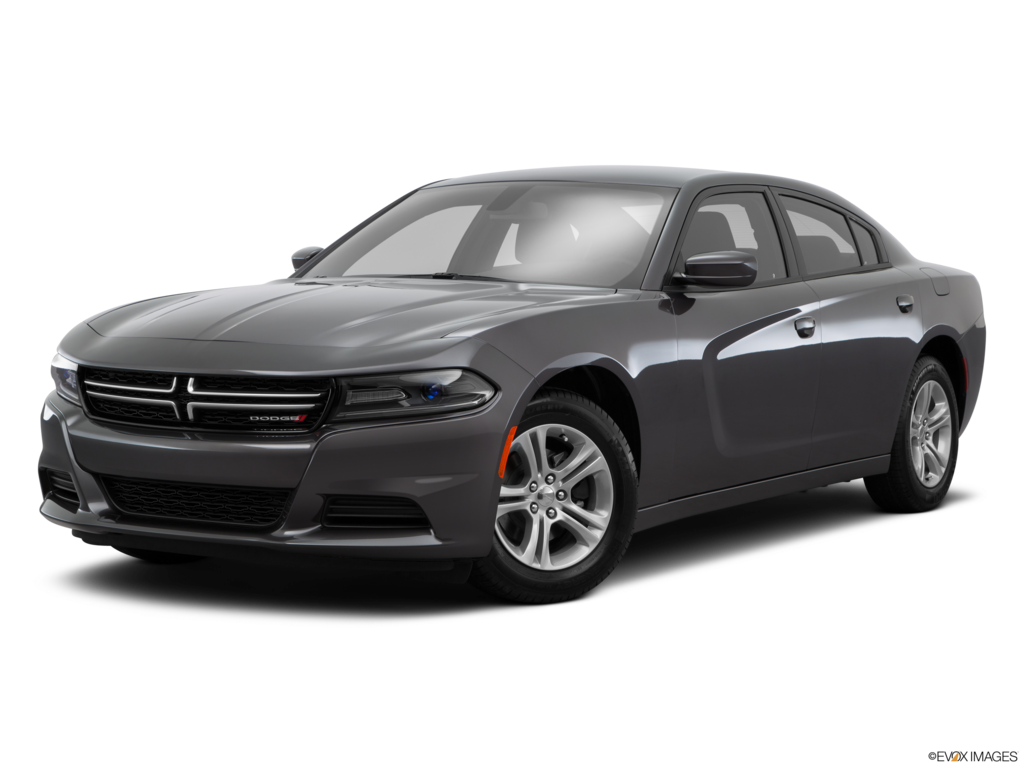
Highlights
Significant refresh inside and out
Hellcat introduced with 707-hp supercharged V8
Eight-speed automatic now standard
All-wheel drive is no longer available with V8
New advanced driver-assist systems
Learn more
2014 Dodge Charger
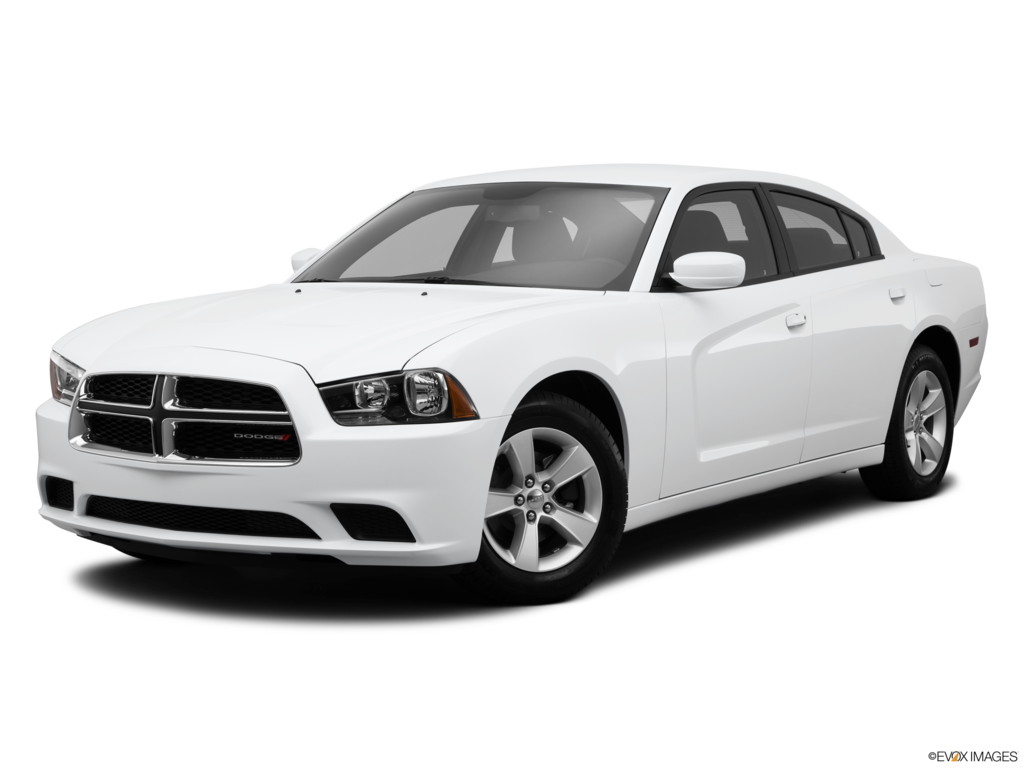
2013 Dodge Charger
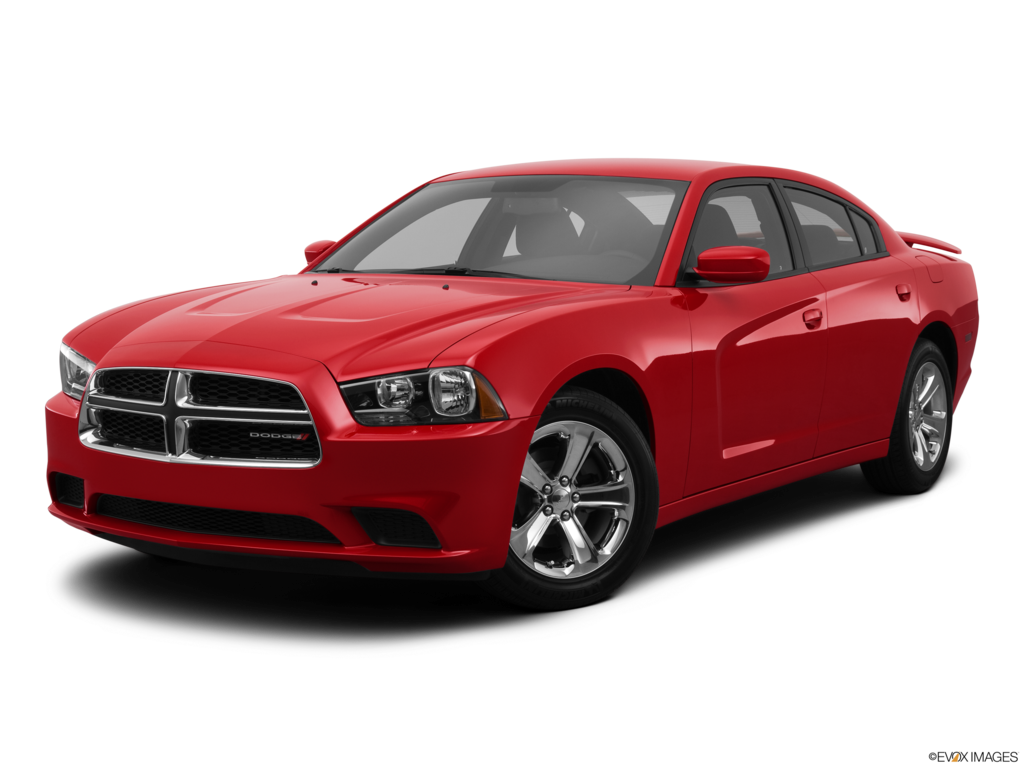
Highlights
SRT8 gets launch control and adaptive suspension
V6 gets more power on certain trims
Learn more
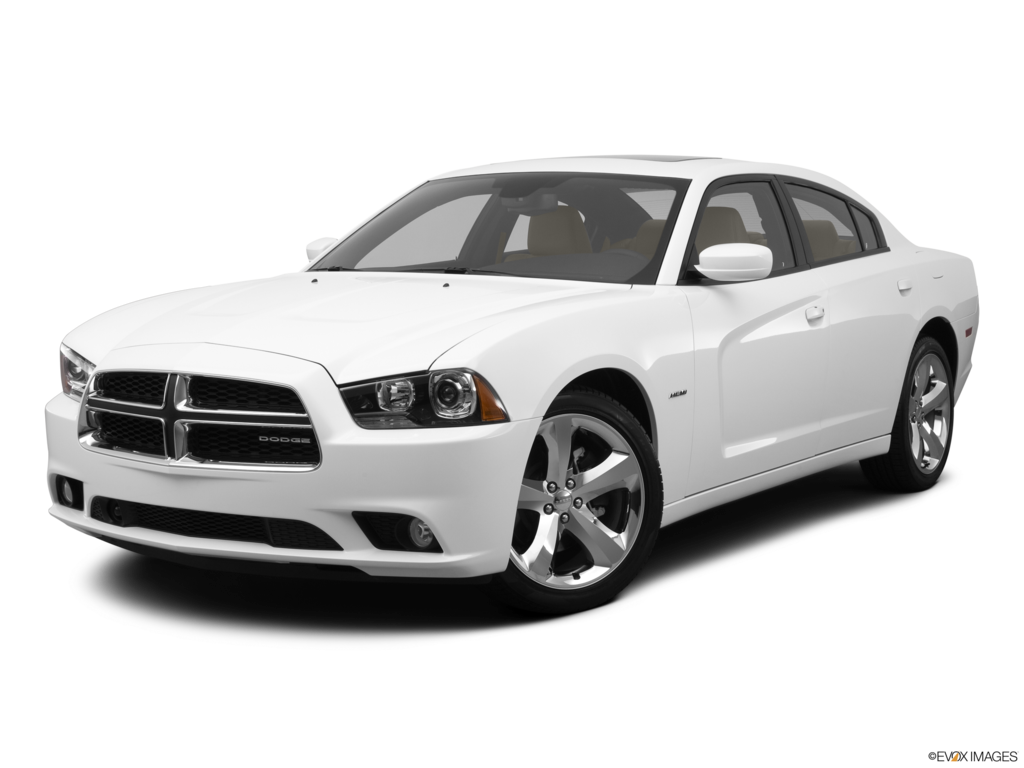
2012 Dodge Charger
Highlights
High-performance SRT8 and midlevel SXT trims return
Eight-speed automatic available with V6 models
Learn more
2011 Dodge Charger
Highlights
Updated exterior and interior design
Higher-quality interior materials
New and more powerful 3.6-liter V6
SRT8 dropped from the lineup
Learn more
Looking for 2013 models or older?
CarMax only sells 2014 models and newer. But no matter the year, we'll happily buy your car.
Perry Stern has been writing about cars for almost 30 years and has been an enthusiast for much longer than that. Contributing to multiple automotive publications, Perry drives almost every new car on the market, ranging from base-level Kias to exotic high-performance Lamborghinis. But his favorite is still the 2006 Mazda Miata parked in his garage.
We hope you found this information helpful. This content is intended to inform and is not meant to provide legal, financial or investment advice. We make every effort to provide accurate information, but please verify before transacting and consider talking to a qualified professional about your unique circumstances.
Statements of fuel economy or EV range are based on EPA and other third-party estimates for vehicles when new. Fuel economy and EV range will degrade with time and vary based on age, driving conditions, vehicle history, and other conditions. See fueleconomy.gov for more info.
Editorial content contained on this page comes from Edmunds.com, Inc., a subsidiary of CarMax Enterprise Service, LLC, and information related to featured vehicles comes from third-party sources, including manufacturer information. Product and company names may be trademarks or registered trademarks of third-party entities. Use of them does not imply any affiliation with or endorsement by these entities. By clicking on any video links, you will be taken to a third-party site maintained by YouTube, Inc.