
Ford Mustang

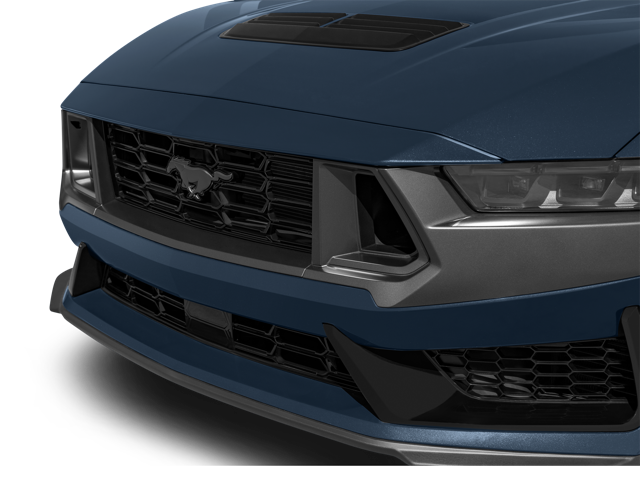
The 2025 Ford Mustang stands as the last remaining American pony car—part sports car, part muscle car. Sold as a retro-styled coupe or convertible, the Mustang is offered with a turbocharged four-cylinder or V8 power and an automatic or manual transmission. It performs well in base form and it can be a track car in its Dark Horse high-performance trim. It may dip into its past for style and status, but it has big screens and an advanced control interface, along with modern tech and features throughout its design. And like most performance coupes, the rear seat is questionable for full-size adults.
Explore the evolution of the Ford Mustang
Get our expert take on used Ford Mustang models, or view year-by-year changes.
Seventh generation Ford Mustang
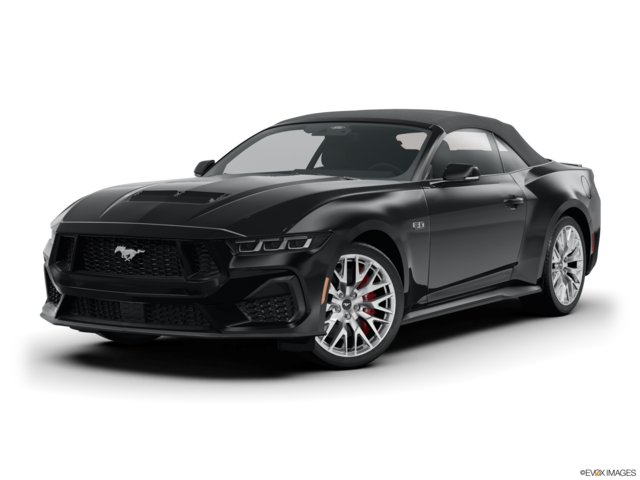
The seventh-generation Mustang continues with the retro styling it has sported since the fifth generation that debuted in 2005, now with a more planted stance. It rides on an updated version of the rear-wheel-drive platform from the last generation, adds high-tech performance gadgets, and gets larger interior screens that can simulate modern or retro design themes.
The lineup starts with a turbocharged four-cylinder offering impressive power, but enthusiasts will appreciate the two V8 options. The Mustang GT sports a 5.0-liter V8 sending 480 horsepower through a six-speed manual or a 10-speed automatic transmission. The Dark Horse model ups that engine’s output to 500 horsepower.
The current Mustang has multiple features focused on performance, like rev-matched downshifts, computer-controlled launch control, and more. These combine with six drive modes, including Track and Drag.
Available driver-assist features include automatic emergency braking, lane-keeping assistance, blind-spot monitoring, adaptive cruise control, rear parking sensors, and automatic high beams.
Model highlights
High-performance GT joined by more powerful Dark Horse model
Standard 12.4-inch digital gauge cluster and 13.2-inch infotainment touchscreen
Electronic parking brake for drifting, and a remote revving capability
Standard Apple CarPlay® and Android Auto™
Wi-Fi hotspot capability
Sixth generation Ford Mustang
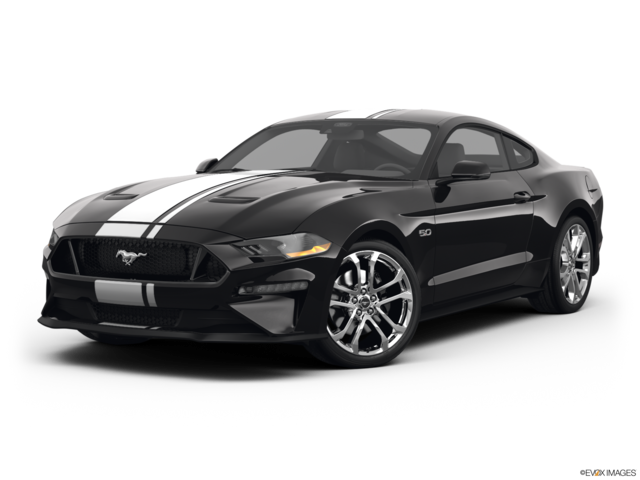
The sixth-generation Mustang continued with a lower, wider, sleeker version of the 1960s-inspired look the car adopted in 2005. For the first time, it added an independent rear suspension across the lineup in the name of improved ride quality and handling. Coupe and convertible body styles continued with rear-wheel drive.
Inside, the Mustang added more room, improved its materials, and offered a standard four-inch touchscreen or an available eight-inch touchscreen, the latter running Ford’s SYNC® 3 infotainment system.
A new 2.3-liter turbocharged four-cylinder joined the lineup as a step-up engine option from the carryover 3.7-liter V6, while the Coyote 5.0-liter V8 increased from 412 horsepower to 435 hp. Six-speed manual and automatic transmissions returned.
For 2016, Ford introduced the Shelby GT350 and GT350R Mustangs with a 5.2-liter V8 making 526 horsepower. These cars also received suspension, cooling, and aerodynamic changes to make them perform better on a track. The Shelby GT500 arrived in 2020 with a supercharged 5.2-liter V8 producing 760 horsepower.
Model highlights
Mild exterior and interior revision (2018), including an available 12-inch digital gauge cluster
3.7-liter V6 dropped (2018)
10-speed automatic transmission replaced six-speed (2018)
Shelby GT500 (added for 2020)
Mach 1 model replaced Shelby GT350 for 2021
Changes by year
Latest generation from 2024 - present
2025 Ford Mustang
2024 Ford Mustang
Highlights
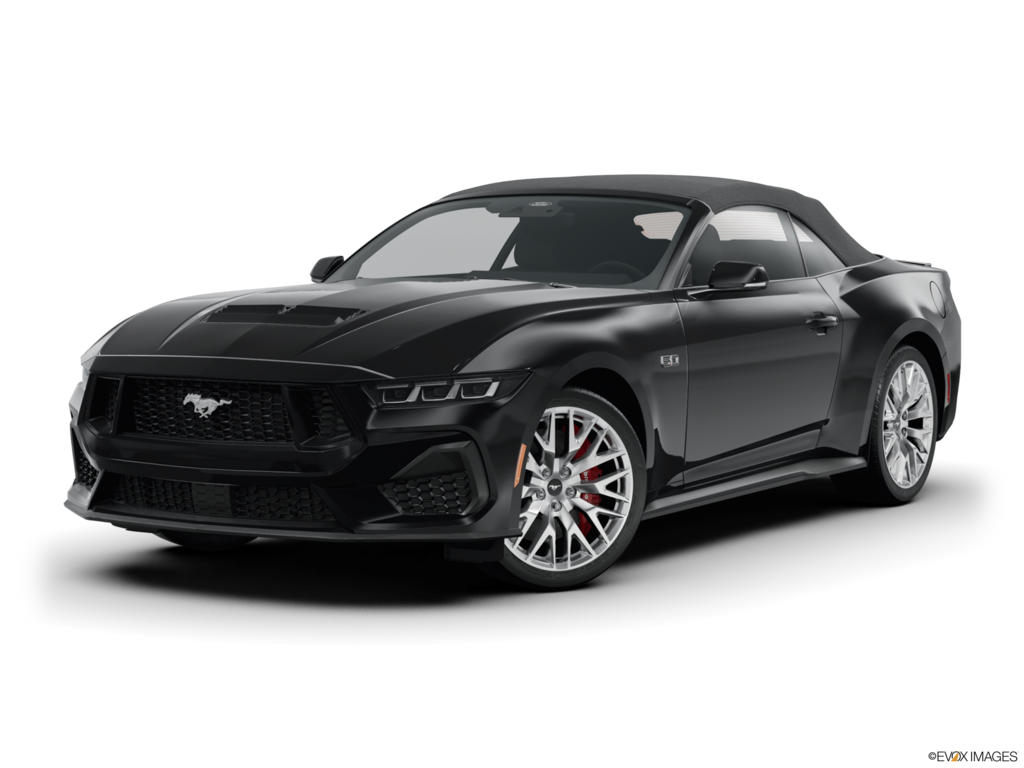
Redesigned for 2024 with evolution of retro styling
Dark Horse model debuted as high-performance model above GT
5.0-liter V8 upgraded to 480 horsepower in GT, 500 hp in Dark Horse
New larger screens include a 12.4-inch digital instrument cluster and a 13.2-inch touchscreen
More high-tech performance features including Electronic Drift Brake and Remote Rev
Mach 1 dropped
Learn more
Previous generation from 2015 - 2023
2023 Ford Mustang
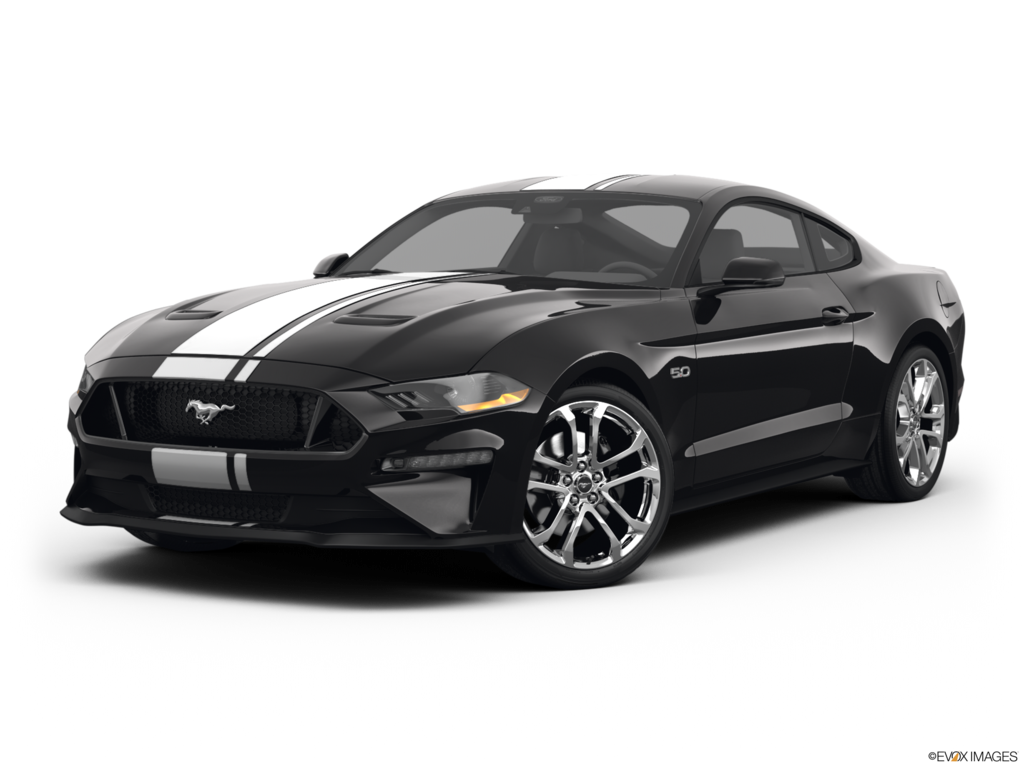
2022 Ford Mustang
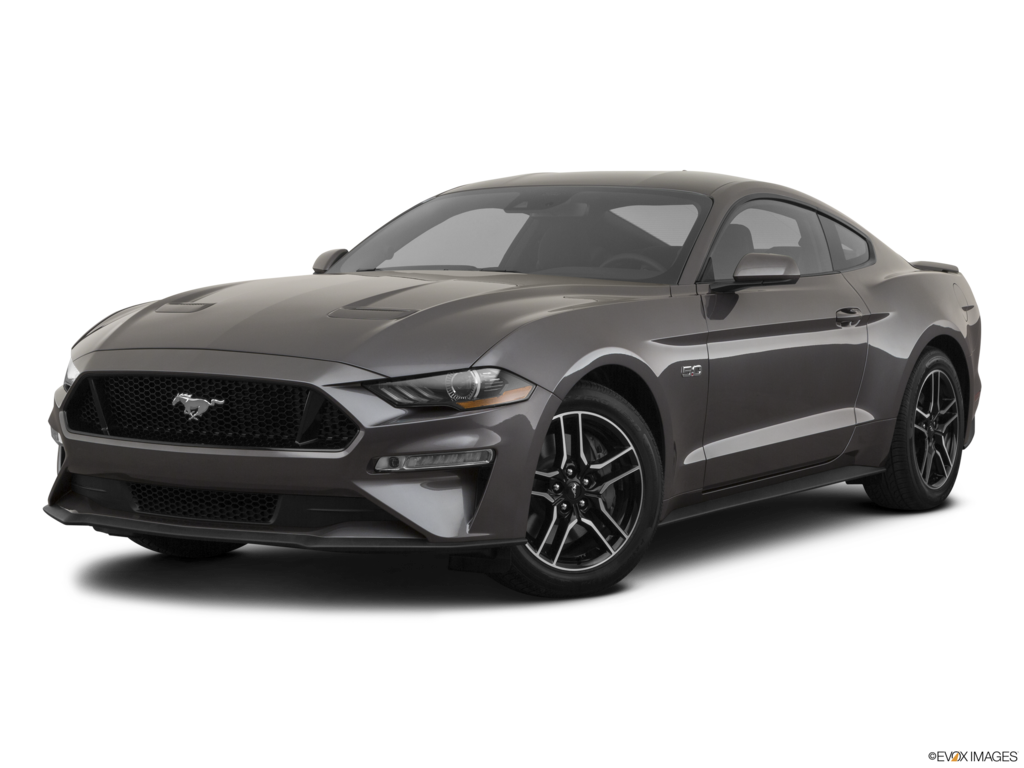
Highlights
New Ice White, Stealth, and Coastal Limited appearance packages
Return of California Special package
Base V8 lost 10 horsepower and 10 lb-ft of torque for emissions reasons
Learn more
2021 Ford Mustang
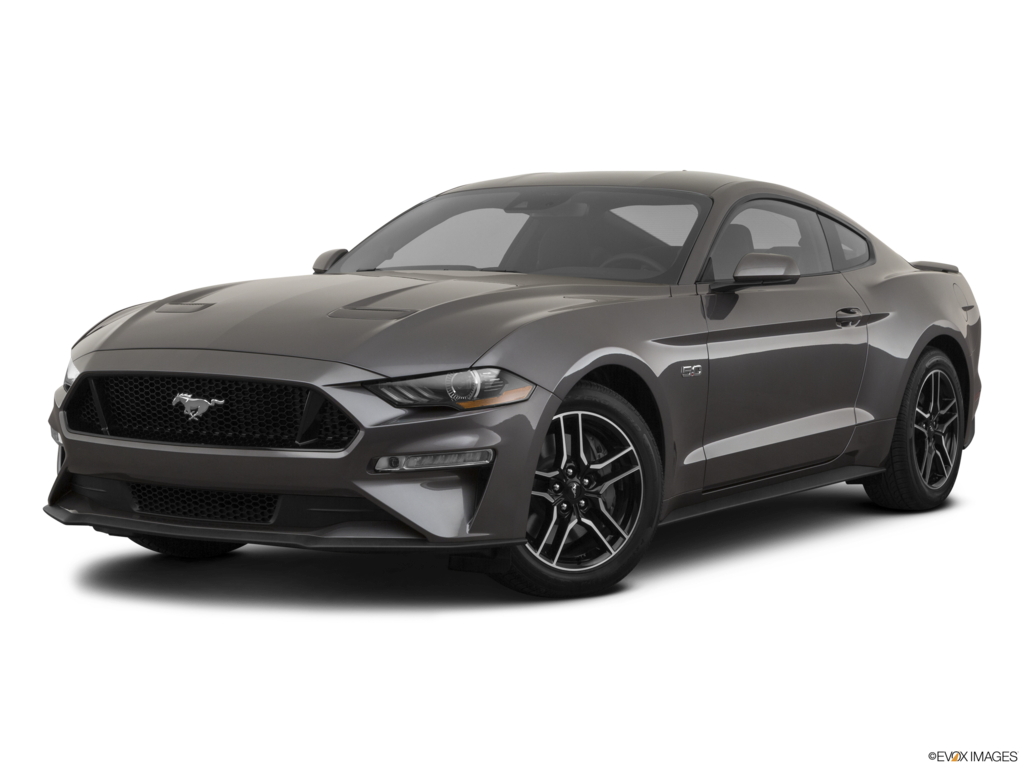
Highlights
480-horsepower, track-focused Mach 1 replaced Performance Package 2
Ford’s Co-Pilot360® suite of driver-assist features standard on EcoBoost® and GT models
Bullitt model discontinued
Mustang Shelby GT350 discontinued
Mustang Shelby GT500 available with Carbon Fiber Handling package
Learn more
2020 Ford Mustang
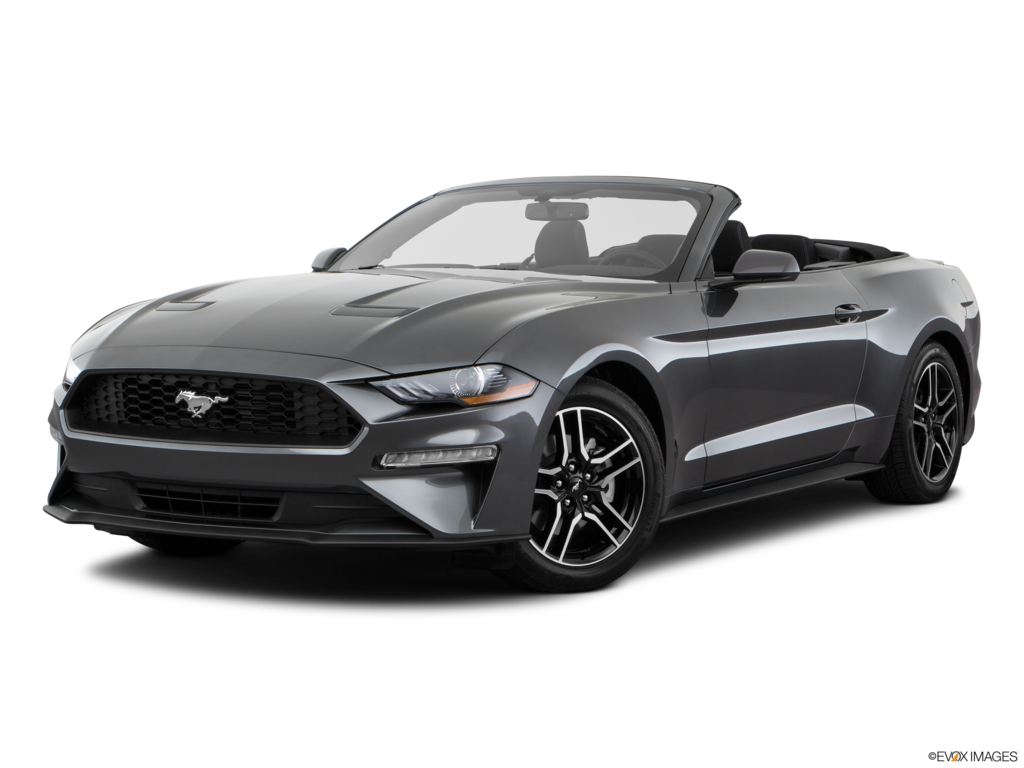
Highlights
Debut of 760-horsepower Mustang Shelby GT500
New EcoBoost® Handling package
More power for EcoBoost® Performance package
FordPass Connect™ became standard
Learn more
2019 Ford Mustang
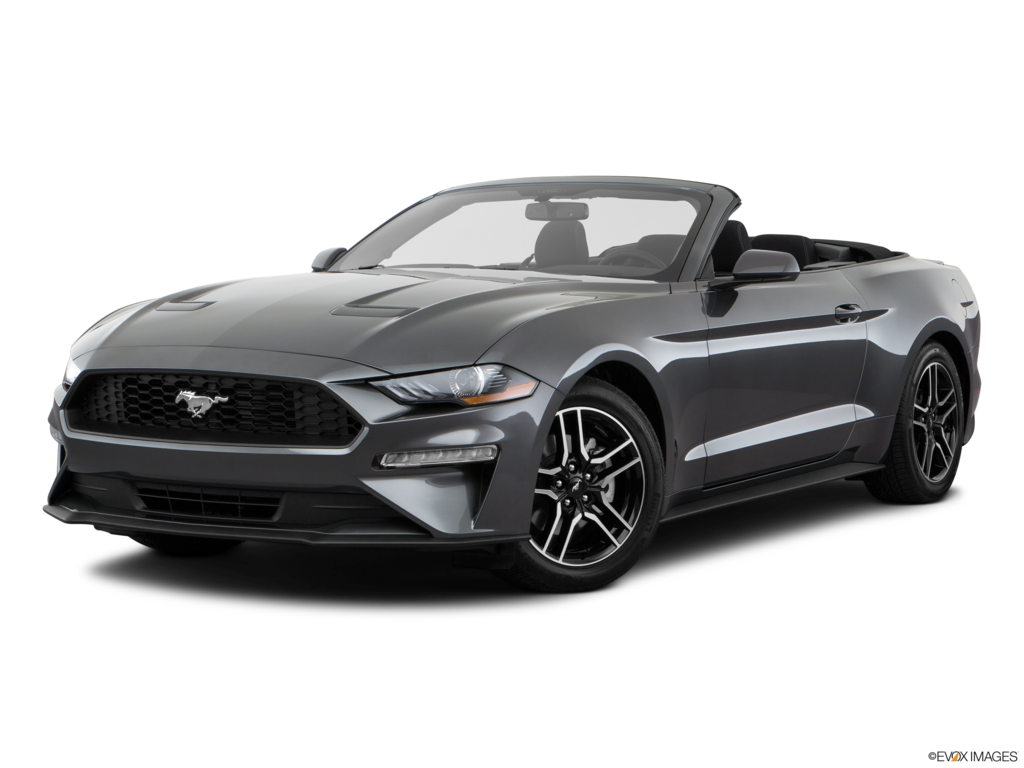
Highlights
Return of Bullitt model
California Special package returned for GT Premium trim
Active exhaust system standard
1,000-watt B&O audio system offered
Rev matching added for GT with manual transmission
Learn more
2018 Ford Mustang
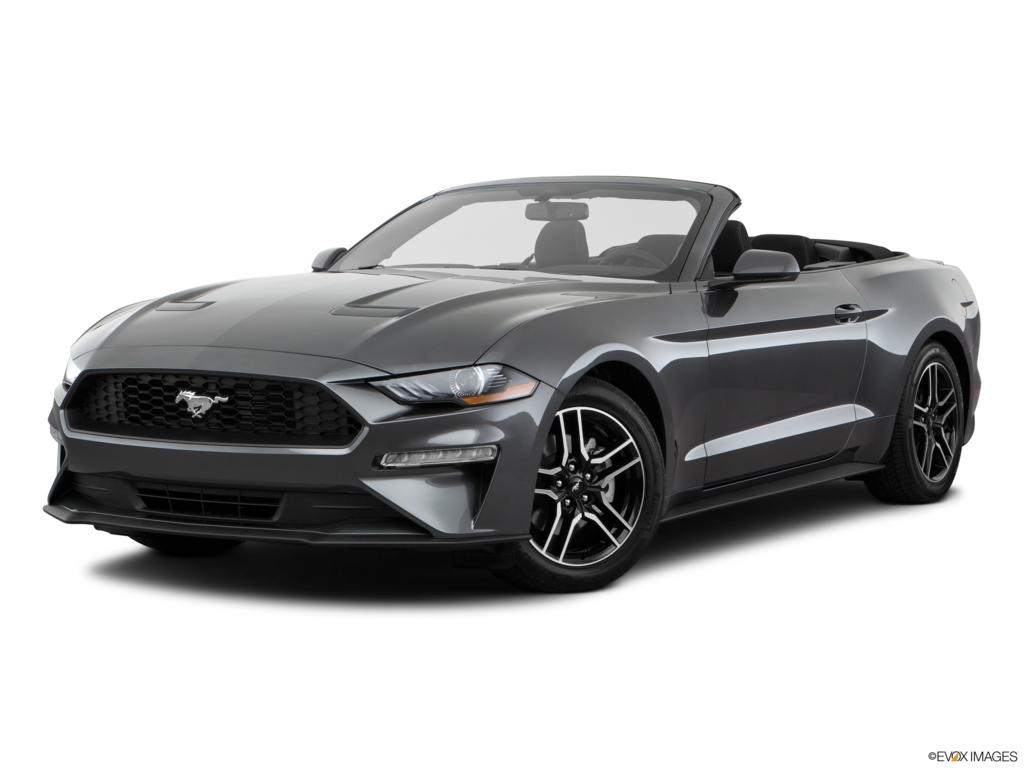
Highlights
Revised front and rear styling
V6 engine discontinued
Debut of 10-speed automatic transmission in place of six-speed
More power for turbocharged four-cylinder and V8 engines
Adaptive dampers newly offered
Newly available 12-inch digital instrument cluster
Learn more
2017 Ford Mustang
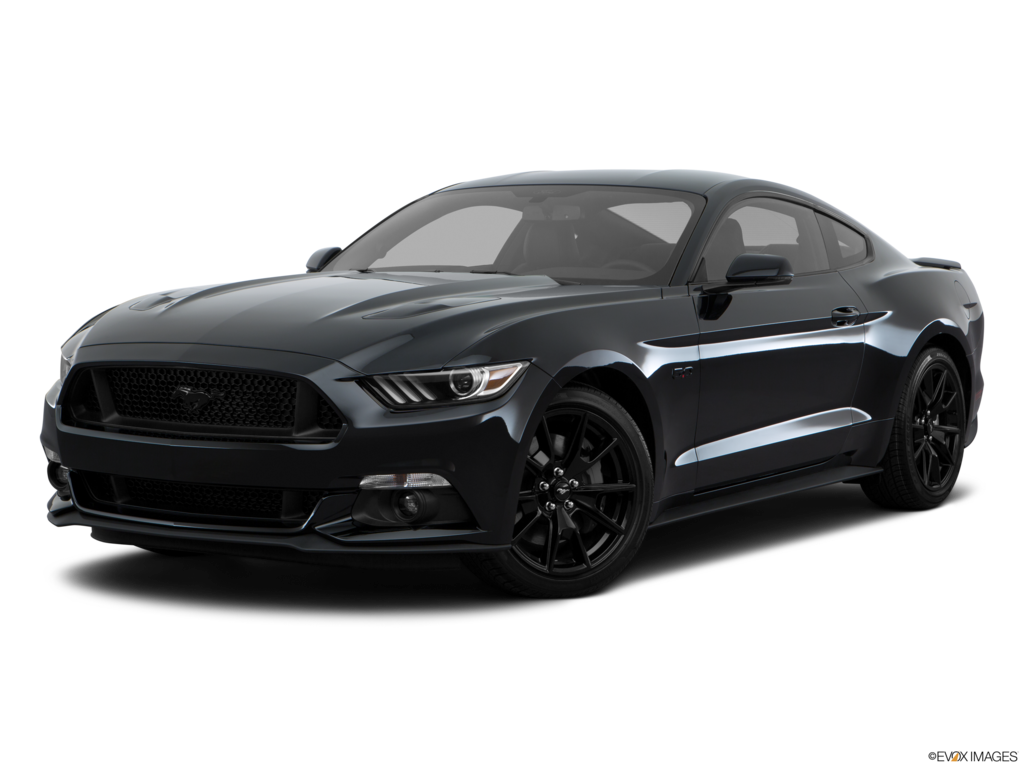
2016 Ford Mustang
Highlights
New Mustang Shelby GT350 and GT350R high-performance models with 5.2-liter flat-plane crank V8
Shelby GT350 came with Ford’s first use of magnetic dampers
Convertible available with Performance package
Learn more
2015 Ford Mustang
Highlights
All-new for 2015 with a new take on retro styling
Independent rear suspension introduced in all models
Turbocharged 2.3-liter four-cylinder added as a step up from base V6
New SYNC® 3 infotainment system with eight-inch touchscreen
More interior space and higher-quality interior materials
Learn more
Reliability
RepairPal gave the Ford Mustang an overall reliability rating of 4 out of 5 stars, which RepairPal describes as Above Average. This rating ranks Ford Mustang 23rd out of 28 among Midsize Cars.
RepairPal reports that the average total annual cost for repairs and maintenance on a Ford Mustang is $503, compared to an average of $430 for Midsize Cars and $591 for all the vehicles RepairPal considered in its dataset.
According to RepairPal, Ford Mustang owners bring their vehicles into a repair shop for unscheduled repairs an average of 0.8 times per year, compared to an average of 0.9 times for Midsize Cars and 1.3 times for all the vehicles RepairPal considered in its dataset.
RepairPal reported that the probability of a repair being a severe or major issue is 16% for the Ford Mustang, compared to an average of 12% for Midsize Cars and 14% for all the vehicles RepairPal considered in its dataset.
Kirk Bell has been an automotive journalist since 2001, doing stints at Motor Authority, MSN Autos, and Consumer Guide. He's currently a freelance journalist with an interest in luxury and performance cars.
We hope you found this information helpful. This content is intended to inform and is not meant to provide legal, financial or investment advice. We make every effort to provide accurate information, but please verify before transacting and consider talking to a qualified professional about your unique circumstances.
Statements of fuel economy or EV range are based on EPA and other third-party estimates for vehicles when new. Fuel economy and EV range will degrade with time and vary based on age, driving conditions, vehicle history, and other conditions. See fueleconomy.gov for more info.
Editorial content contained on this page comes from Edmunds.com, Inc., a subsidiary of CarMax Enterprise Service, LLC, and information related to featured vehicles comes from third-party sources, including manufacturer information. Product and company names may be trademarks or registered trademarks of third-party entities. Use of them does not imply any affiliation with or endorsement by these entities. By clicking on any video links, you will be taken to a third-party site maintained by YouTube, Inc.