

Chevrolet Blazer

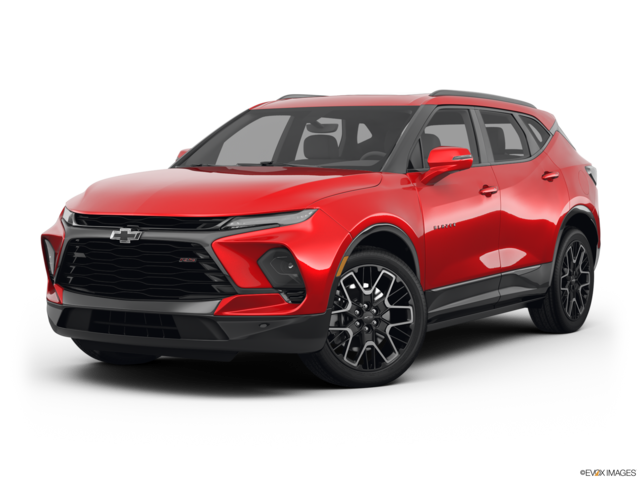
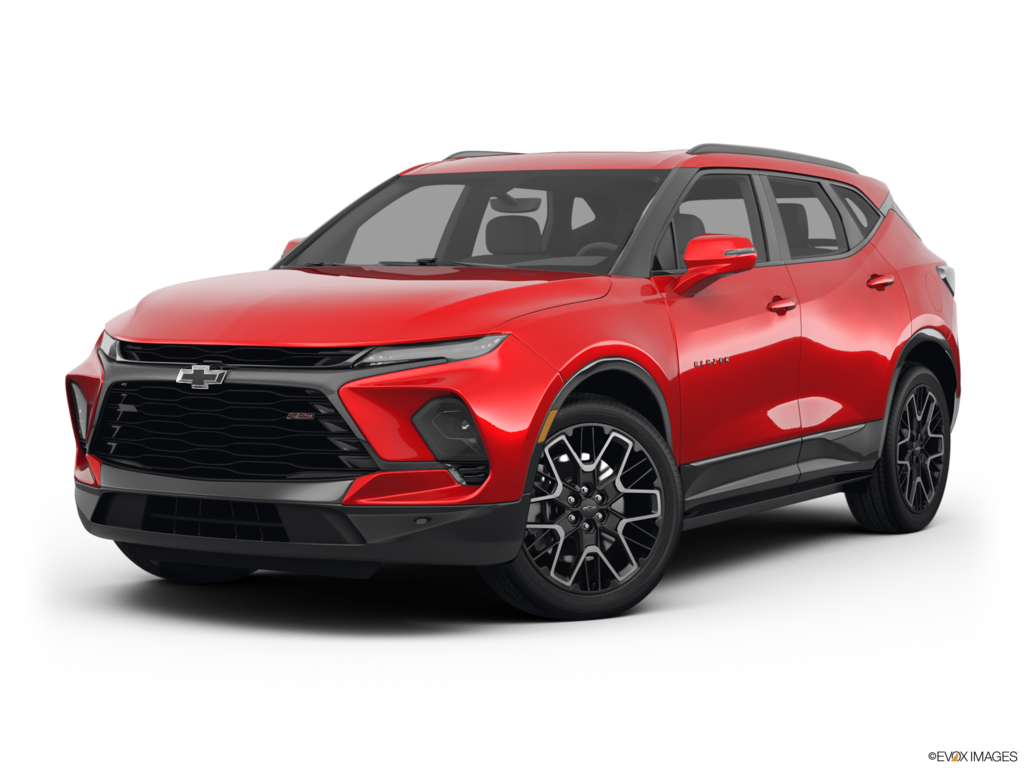
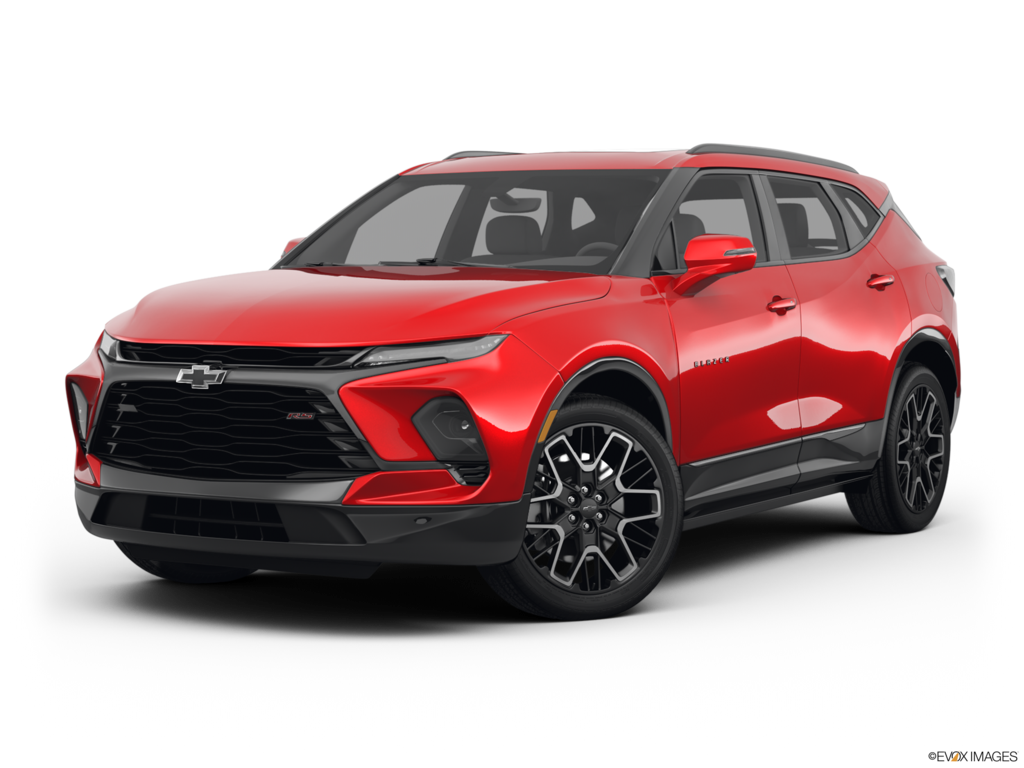
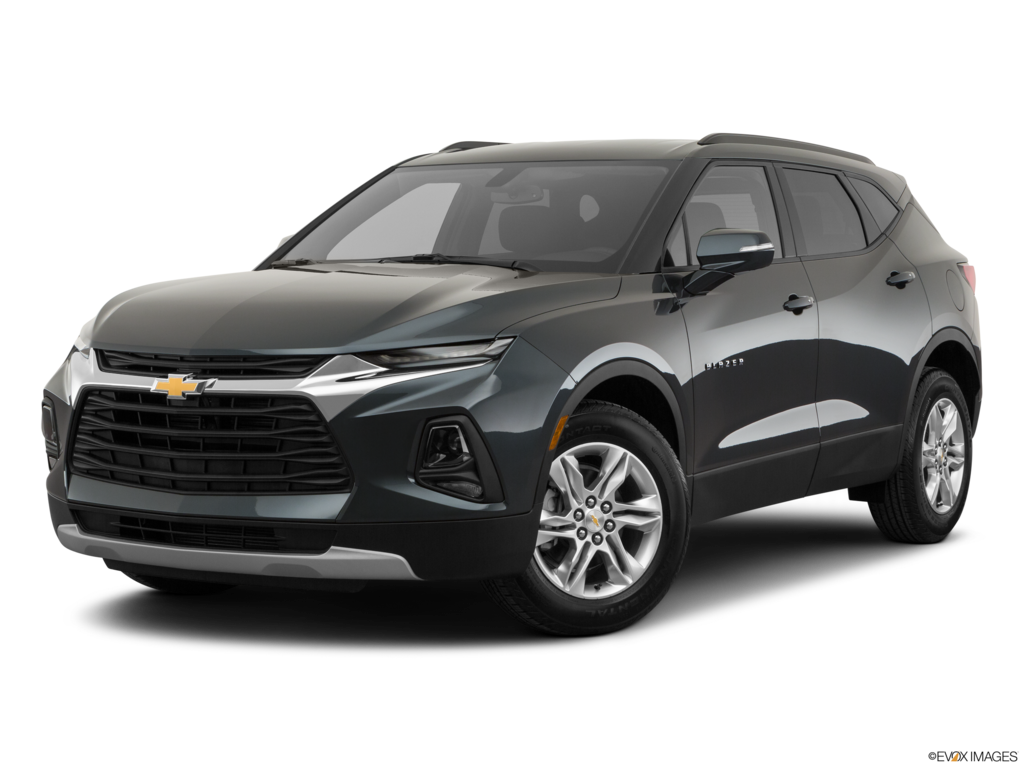
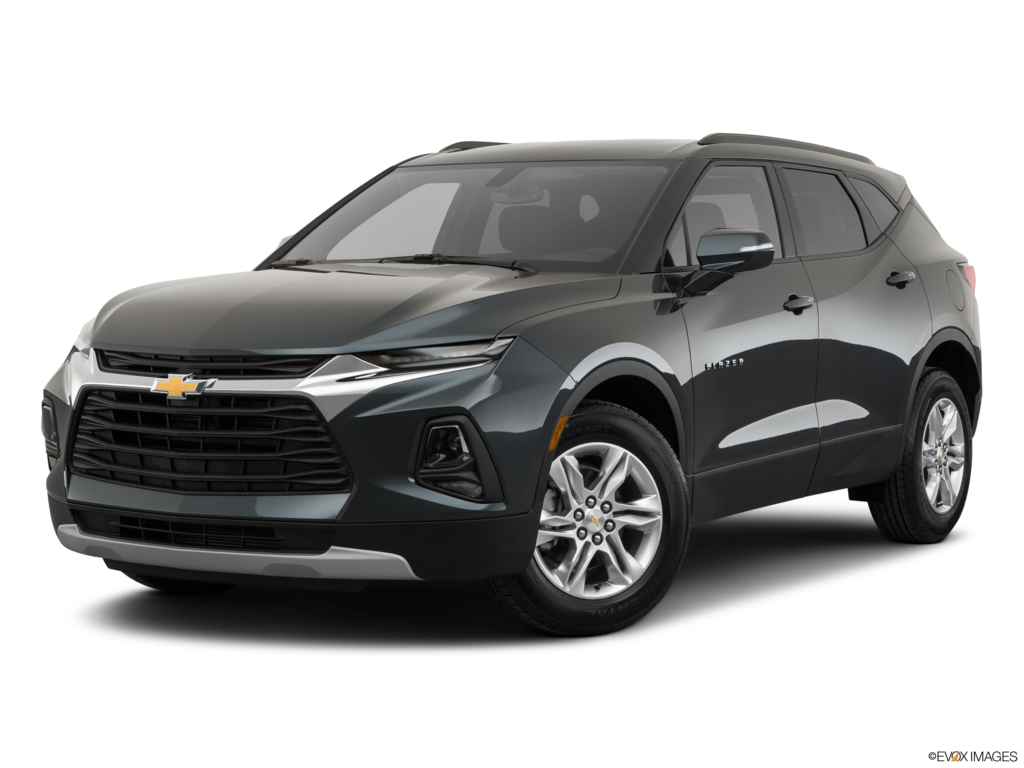
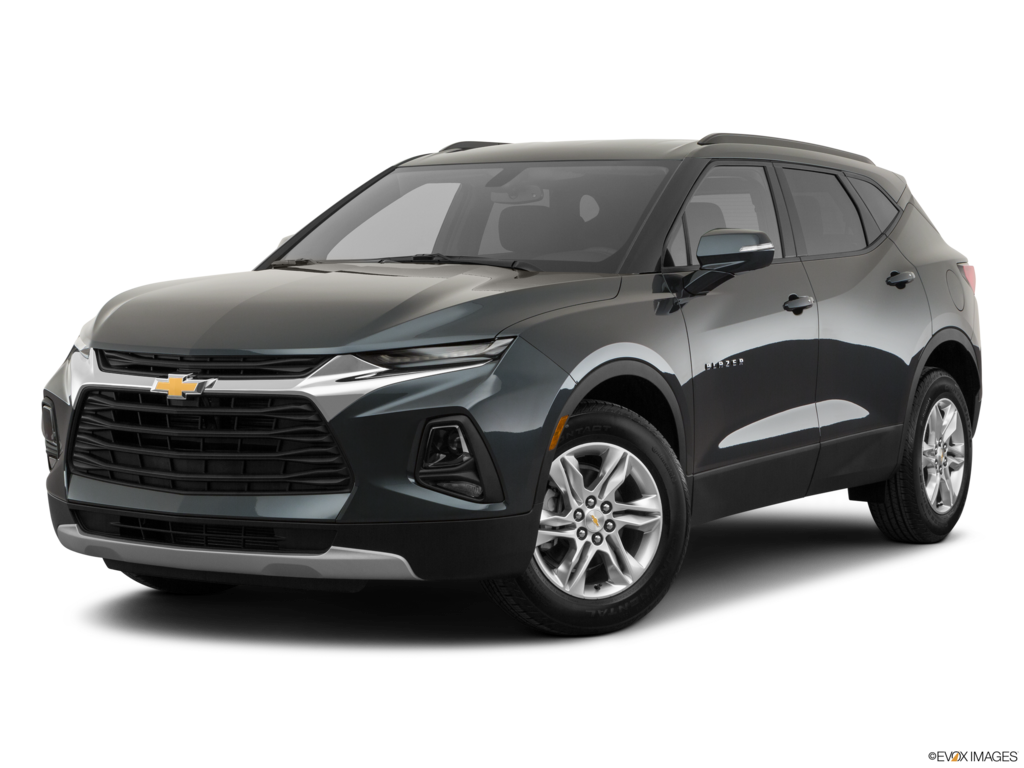
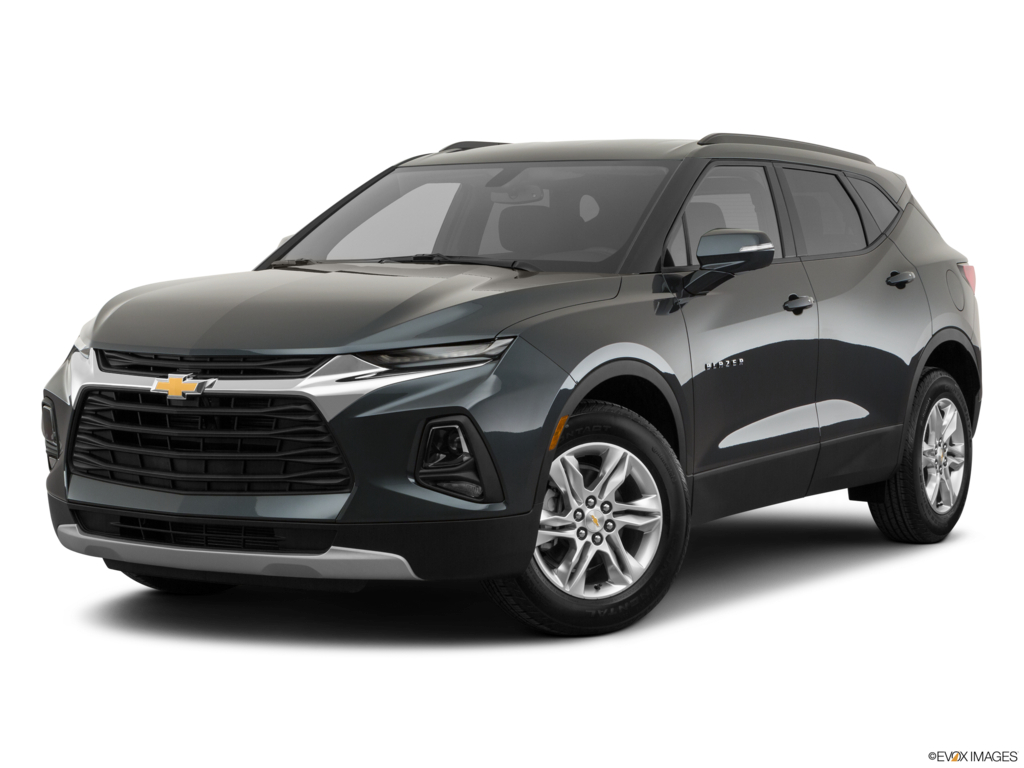
The Blazer is Chevrolet’s compact crossover SUV, sitting in the lineup between the Equinox and Traverse. With sleek styling shared among its siblings, the Blazer offers a choice of engines, three trim levels, and front- or all-wheel drive. While the Blazer has a high-tech look with a 10.2-inch display and wireless Apple CarPlay®/Android Auto™, it hasn’t changed much since its 2019 introduction. As other GM products have adopted the superior Google Built-in infotainment system, the Blazer has been left behind, making it feel somewhat dated. Chevrolet also offers the Blazer EV, but aside from the name, it is a completely different vehicle.
Explore the evolution of the Chevrolet Blazer
Get our expert take on used Chevrolet Blazer models, or view year-by-year changes.
First generation Chevrolet Blazer
The Blazer name plays a significant role in Chevrolet’s history, first appearing in 1969 as a large truck-based SUV. But that model was discontinued, and after a 25-year hiatus, it returned in 2019 as a sleek, modern crossover with little relation to the original boxy design. The modern design continued inside with an eight-inch touchscreen display and unique climate controls that used the center vent surrounds as dials to adjust the cabin temperature. All Blazers upgraded to a 10.2-inch screen in 2023, but without the Google-based system found in other Chevrolet products, the Blazer feels a step behind in technology. Interior space is impressive, with more than adequate legroom for rear-seat passengers as well as a reasonable cargo area.
When it arrived in 2019, the Blazer offered two engine options: a 2.5-liter four-cylinder and a more powerful 3.6-liter V6. Chevrolet added a turbocharged engine option in 2020, which eventually replaced the base 2.5-liter engine. When equipped with the V6, the Blazer can tow up to 4,500 pounds.
Model highlights
Sleek, modern styling
Standard Apple CarPlay®/Android Auto™
Advanced driver-assistance features made standard on most trims (added in 2021)
Powerful V6 engine available
Large 10.2-inch display screen (added in 2023)
Changes by year
Latest generation from 2019 - present
2026 Chevrolet Blazer
2025 Chevrolet Blazer
2024 Chevrolet Blazer
2023 Chevrolet Blazer
2022 Chevrolet Blazer
Highlights
Base engine discontinued
Towing package included with all-wheel drive
Learn more
2021 Chevrolet Blazer
2020 Chevrolet Blazer
2019 Chevrolet Blazer
Reliability
RepairPal gave the Chevrolet Blazer an overall reliability rating of 4.5 out of 5 stars, which RepairPal describes as Excellent. This rating ranks Chevrolet Blazer 3rd out of 29 among Compact SUVs.
RepairPal reports that the average total annual cost for repairs and maintenance on a Chevrolet Blazer is $463, compared to an average of $473 for Compact SUVs and $591 for all the vehicles RepairPal considered in its dataset.
According to RepairPal, Chevrolet Blazer owners bring their vehicles into a repair shop for unscheduled repairs an average of 0.1 times per year, compared to an average of 1.0 times for Compact SUVs and 1.3 times for all the vehicles RepairPal considered in its dataset.
RepairPal reported that the probability of a repair being a severe or major issue is 12% for the Chevrolet Blazer, compared to an average of 13% for Compact SUVs and 14% for all the vehicles RepairPal considered in its dataset.
Perry Stern has been writing about cars for almost 30 years and has been an enthusiast for much longer than that. Contributing to multiple automotive publications, Perry drives almost every new car on the market, ranging from base-level Kias to exotic high-performance Lamborghinis. But his favorite is still the 2006 Mazda Miata parked in his garage.
We hope you found this information helpful. This content is intended to inform and is not meant to provide legal, financial or investment advice. We make every effort to provide accurate information, but please verify before transacting and consider talking to a qualified professional about your unique circumstances.
Statements of fuel economy or EV range are based on EPA and other third-party estimates for vehicles when new. Fuel economy and EV range will degrade with time and vary based on age, driving conditions, vehicle history, and other conditions. See fueleconomy.gov for more info.
Editorial content contained on this page comes from Edmunds.com, Inc., a subsidiary of CarMax Enterprise Service, LLC, and information related to featured vehicles comes from third-party sources, including manufacturer information. Product and company names may be trademarks or registered trademarks of third-party entities. Use of them does not imply any affiliation with or endorsement by these entities. By clicking on any video links, you will be taken to a third-party site maintained by YouTube, Inc.