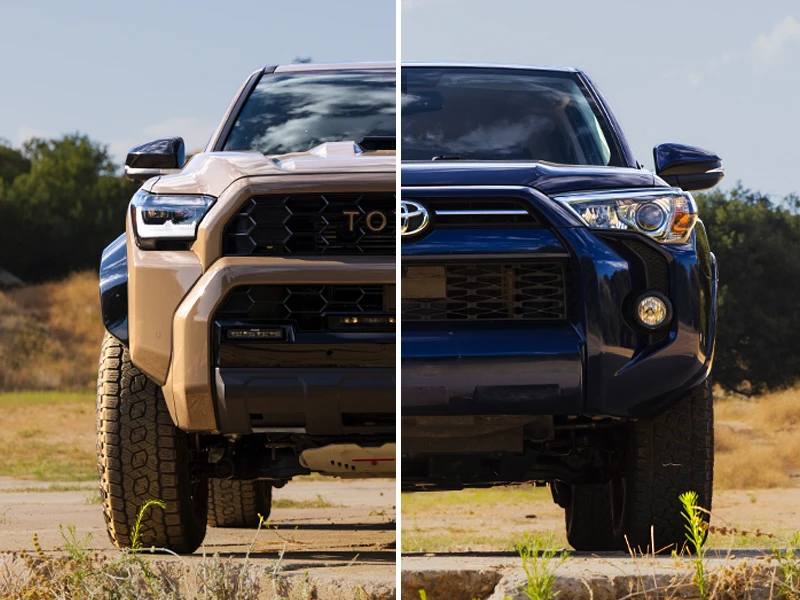
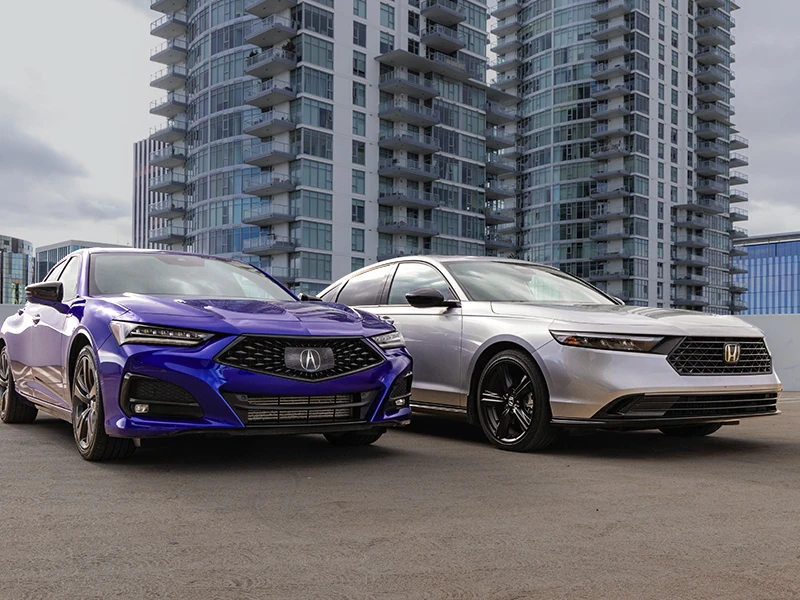
What's better for you: Buying used or leasing new?
With thousands of vehicles in our inventory, we’re here to help make car research easier for you. We’ve partnered with the car-review experts from Edmunds to weigh in on what matters most when you’re looking to buy a truck or car.
***
You have enough saved to upgrade your ride, but you’ve hit a common roadblock: How are you going to pay for your next car? If buying a new car with all the features you want costs more than your budget allows, you have two solid options: lease a new vehicle or buy a used car. Here’s what you need to know about both, including how your personal situation shapes the decision.
Article Summary:
Leasing vs buying: the key difference
When you lease, you’re renting, not buying. Monthly payments don’t build equity, and you return the car at the end of the term.When leasing makes sense
Leasing is a good fit if you want a newer vehicle, a factory warranty, and the flexibility to switch cars every few years.When buying used makes sense
Buying used means no mileage limits, the freedom to modify your car, and the ability to build equity toward your next vehicle.How to choose
If eliminating your monthly payments matters most, buying used wins long-term. If driving a newer car with less upfront cost is the priority, consider leasing.
How is leasing different from buying?

While both involve monthly payments, leasing is more like renting: you're not working toward vehicle ownership. Before you sign a lease, get familiar with these key terms:
Acquisition fee (also called a bank fee): a charge for processing the new loan
Money factor: the rate you'll pay in finance charges every month, similar to an interest rate on a loan
Down payment: an upfront amount that reduces your monthly payments
Security deposit: a refundable amount some dealers require upfront
What are the pros and cons of leasing a car?
Pro: Leasing is often less expensive than buying new
Leasing is generally the most cost-effective way to get into a new vehicle. Your down payment is likely smaller than if you purchased outright, and manufacturers sometimes run "no money down" deals for buyers with strong credit. According to Kelley Blue Book, some vehicles can be leased for as little as $200 a month, depending on your down payment and credit.
Pro: A leased car comes with the factory warranty
When you lease a new car, you get coverage from the factory warranty. Warranties vary in terms and conditions, so read the fine print before you sign.
Pro: You're always driving a newer car
If the latest styles, features, and tech matter to you, leasing makes sense. Similar to annual smartphone upgrades, leasing every two or three years keeps you in newer vehicles.
Con: You don't build any equity
While leasing a car, you're effectively renting from the dealership. Monthly payments don’t go toward paying down a loan balance the way they do with traditional financing. You can purchase the car at the end of the lease, but that requires a new negotiation with the lender. Your contract also restricts modifications, and you must remove any factory accessories when you turn in the vehicle.
Con: Leased cars come with mileage limits
Leased vehicles include an annual mileage allowance. According to the Federal Reserve, overage fees typically run 15 to 25 cents per mile. That might not sound like much, but even at just 15 cents per mile, driving 1,000 miles over the limit is an extra $150 you'll have to pay out of pocket. If you have a long commute or take frequent road trips, ask about a higher mileage allowance when you negotiate.
Con: You're still responsible for maintenance
Your out-of-pocket expenses don't disappear because you're leasing. You're responsible for routine maintenance just as you would be as an owner. That includes getting the oil changed and replacing belts, batteries, and even brake pads. Keep this in mind when putting your budget together.
Con: Lease contracts can be confusing
Read the entire lease contract before you sign. You need to understand what costs you're responsible for and what restrictions apply to the car. Ask as many questions as you need before you commit.
Con: Insurance costs are higher
Leased vehicles typically require higher coverage limits than a financed vehicle, which means higher monthly premiums. Requirements vary based on who you're leasing the vehicle from and the state you live in, but can include higher-than-usual injury liability limits ($100,000 per person and $300,000 per accident, for example) and property damage liability coverage can exceed $50,000.
Insurance premiums are also based on the vehicle’s actual price, so a more expensive vehicle costs more to insure, even if your monthly payment is low.
Con: End-of-lease fees
If you return your leased vehicle instead of buying it or leasing a new model, expect to pay a disposition fee. It’s essentially the same as the acquisition fee you paid at the start of your lease. If the vehicle has any damage beyond normal wear and tear, you're on the hook for those repairs.
What is buying a car?
This is pretty straightforward: buying a car means you’ll own it outright. You can pay cash or finance it with an auto loan. Financing typically involves making a down payment and then making monthly payments over a period of time—often between 36 and 72 months. The amount you finance is subject to an annual percentage rate (APR) that varies based on market rates and your credit score. Once your payments are complete, the vehicle is yours. If it's your first time financing and you have questions, we've got answers for you here.
What's the difference between buying a new car and buying a used car?
A new car has never been owned before. A used car has had at least one previous owner. Buying a used car is one of the most cost-effective ways to purchase a vehicle. The main trade-off is customizability: with a new car, you can order exactly what you want. With a used car, you need to shop carefully to find a vehicle that's already been specced out the way you'd like it.

What are the pros and cons of buying a used car?
Pro: No mileage limits
It's your car, so you can drive as many miles as you want. Unlike leasing, there are no restrictions on how many miles you rack up, and you don't need to worry about incoming fees just because you take a few long road trips or have a gnarly commute.
Pro: You can modify your car
You're welcome to make aftermarket modifications to your car because, well, it's your car! Keep resale value in mind when adding chrome windshield wipers, but the choices are entirely yours.
Pro: No wear and tear charges
If your vehicle suffers any scrapes or scratches, you won't have to worry about paying wear and tear charges to the dealership. You'll be responsible for any repair costs, of course, but it'll be up to you to decide whether you want to make those fixes.
Pro: Freedom to sell or trade in anytime
You can sell or trade in your car whenever you’re ready, and apply trade-in equity toward your next purchase. Tools like Kelley Blue Book (KBB) can help you estimate your car’s value, and you can get an actual offer from CarMax online before you’re ready to sell.
Pro: Sometimes cars don't change much over time
Automakers develop cars in generational cycles, meaning that for several years, cars often share the same features. For example, a 2023 Toyota Camry isn't a whole lot different from a 2018 model. Buying a well-maintained used Camry can get you the features you want at a significantly lower price.
Con: You can't custom-order a used car
You can shop for your desired year, make, and model, but you can't custom-order your vehicle quite as much as you can when shopping for a new car. You can modify your car after you've purchased it, but otherwise a used car comes as-is, which means you have to look carefully at individual vehicle specs to get the features you want. Finding a specific combination of colors and features takes more time and effort.
Con: You're responsible for maintenance and repair costs
Once the manufacturer warranty expires, you're responsible for all maintenance and repair costs. Review the vehicle history report using the VIN and confirm the title is clean before you buy. If you buy from CarMax, a MaxCare extended service plan is worth considering to protect yourself from unexpected repair bills.
Frequently asked questions
Is leasing cheaper than buying a used car?
It depends on the specific vehicles you’re comparing. According to Experian, average lease payments run slightly lower than the average used car loan payment overall, but buying a used car and eventually paying it off typically costs less in the long run.
What are typical mileage limits on a car lease?
According to the Federal Reserve, most standard leases include annual mileage allowances of 10,000 to 15,000 miles. Going over that limit typically costs 15 to 25 cents per mile.
What happens at the end of a car lease?
At the end of a lease, you have three options: return the car and pay any applicable fees, purchase it at the buyout price stated in your lease, or turn it in and lease a new car.
Can I negotiate a car lease?
Yes. The car’s sale price (called the capitalized cost), the money factor, and the mileage allowance are all negotiable. Comparing offers from multiple dealerships before you sign gives you leverage.
What should I look for when buying a used car?
Review the vehicle history report using the VIN, check the odometer reading, confirm the title is clean with no liens, and have the car inspected by a trusted mechanic before you buy.
Is leasing a new car or buying a used car better?
The best choice depends on your priorities. If you want a newer vehicle and a factory warranty, you might want to lease a vehicle. If you want to build equity, drive without mileage restrictions, and eventually get rid of your monthly payment, you might want to start a used car search.
Still weighing your options? Start by listing what matters most: monthly cost, ownership, mileage freedom, or flexibility. Then look around and see what’s available, both used and new, before you decide. This is a big one, so take your time!
Updated by Scott Wilson - CarMax Contributor

Jake Sundstrom has worked in the automotive industry since 2017 and written hundreds of car related articles over the course of his career. Jake is an editor at Edmunds, where he helps produce the best used car content on the web. He has also contributed to the National Hot Rod Association and other motorsport publications. When he's not writing about cars, he's probably driving them to his next vacation; he's still working out how to get a Wrangler from Los Angeles to Maui.