

Hybrids Buying Guide
What are Hybrids?
Hybrid vehicles pair a traditional gasoline engine with an electric motor and battery to boost efficiency, especially in stop-and-go driving. Many are considered "standard" hybrid electric vehicles (HEVs) that never plug in — they recharge through regenerative braking and the gas engine — while plug-in hybrids (PHEVs) can be charged and typically drive farther on electric power first. Popular options range from the Toyota Prius to family-friendly SUVs like the Toyota RAV4 Hybrid. Want the quick explainer? Watch our What is a hybrid? video here.
Benefits of Owning a Used Hybrid

There are lots of reasons to shop for a used hybrid, but a big one is fuel savings. Many popular models focus on thrifty performance and deliver strong combined mpg. For example, the 2025 Toyota Prius with the 2.0L four-cylinder engine gets an EPA-estimated 57 mpg combined. Across our lists of the vehicles with the best mpg, hybrids regularly get anywhere from 35 mpg to 57 mpg combined, according to EPA estimates. That can add up fast if you commute or do lots of city miles.
Fewer stops at the pump
Strong mpg in city driving
Better efficiency in traffic
Great for long commutes
Eco driving modes

Hybrids are designed to feel easy to drive, and you likely won't notice there's an electric motor doing some of the work. This means they're quiet at low speeds, smooth in traffic, and easy to live with. Unlike a plug-in hybrid, an HEV doesn’t require you to change your routine around charging, which makes it a low-friction upgrade from a gasoline car.
No plug needed for HEVs
Smooth takeoff at low speeds
Quiet, relaxed around town
Regenerative braking helps efficiency
Familiar driving feel

While some hybrids might be focused on fuel saving, you can find models that use the electric motor to improve performance, especially off the line and around town. Take the Acura MDX Sport Hybrid, for example. 2020 models have standard AWD, 321 horsepower, and get an EPA-estimated 26 mpg in the city. Compared to the non-hybrid model from 2020, you not only get a boost in fuel economy (the gas-only MDX gets an EPA-estimated 19 mpg in the city with the 3.5L engine and AWD), but you also get more horsepower (290 in the gas-only MDX).
Improved off-the-line acceleration
In many cases, better torque
Smoother power delivery in traffic
Extra horsepower on some models
Hybrid models often have standard AWD

When we talk about hybrid vehicles, we're referring to a powertrain type. This means you aren't locked into a single body style, giving you plenty of choice depending on your lifestyle. You've got the flexibility to shop for your needs (cargo space, AWD, third row) and still get the efficiency benefits of the hybrid powertrain. From compact crossovers like the Kia Niro to three-row options like the Toyota Highlander Hybrid, you've got options.
Sedans, hatchbacks, and SUVs
AWD hybrid options exist
Family-friendly three-row choices
City-friendly compact hybrids
Plenty of trims and features
How to Choose a Used Hybrid

Start by thinking about how you’ll use the vehicle. If your driving is mostly around the city or for errands, a smaller hybrid might be the most practical choice. If you regularly go on road trips, haul gear, or need stretch-out space for your crew, focus on hybrid SUVs and minivans. The key is finding the right vehicle, then looking at its hybrid options. Consider the following:
City errands vs highway commuting
Passenger space and car seats
Cargo needs (sports, dogs)
Parking, size, and visibility

Hybrid prices, as with any car, vary by model and year, so set a total budget that includes ongoing costs. If you're financing the vehicle, factor in your down payment, the monthly payment you can live with, and running costs such as fuel. Also, look at mileage and condition rather than “low miles only” thinking; maintenance history matters. Get this right, and you keep the total cost of ownership as low as possible. Factor in the following:
Monthly payment and term length
Down payment
Estimated weekly fuel spend
Maintenance history and mileage
Potential insurance costs

Decide whether you want a standard hybrid or plug-in hybrid. HEVs don’t plug in and typically drive only a handful of miles on electric power before the gas engine kicks in — and you can't adjust when this happens. On the other hand, PHEVs can go farther on electric-only driving and can be charged. Other than that, you should focus on comparing the features, specs, and trims that fit your lifestyle.
Decide which hybrid will suit you
Look at trim levels and standard vs available features
Compare mpg and range claims
Consider other features such as driver aids and convenience tech
Compare Used Hybrids
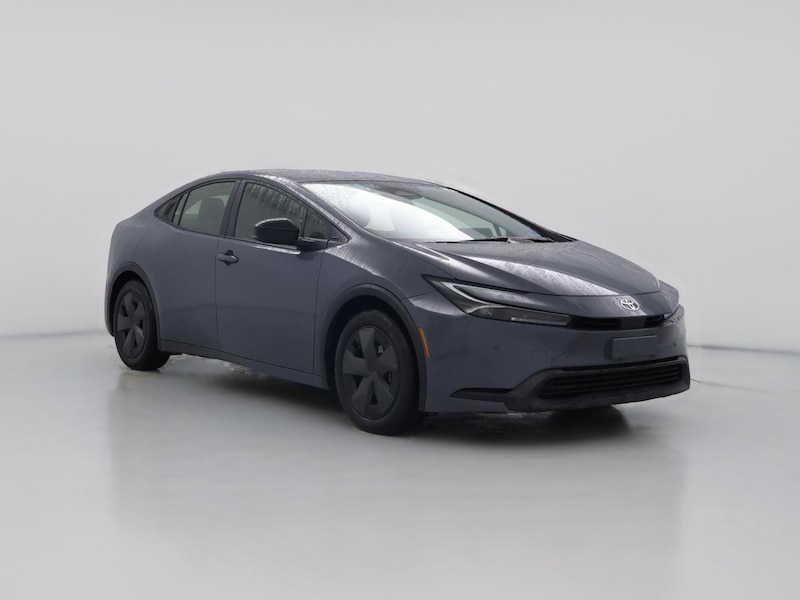
The Toyota Camry is a comfortable midsize sedan, while the Prius leans into fuel efficiency and hybrid-first design. The 2024 Toyota Camry hybrid's 2.5L engine gets an EPA-estimated 51 mpg combined, while the 2024 Prius, with its 2.0L engine, gets an EPA-estimated 57 mpg combined.
Toyota Camry Advantages
Traditional sedan ride comfort
Familiar handling and layout
Often lower upfront cost
Toyota Prius Advantages
Focused on fuel economy
Hybrid system tuned for city
The Kia Niro is compact and efficient for city life, while the Ford Escape Hybrid is roomier and feels more like a conventional small SUV. For efficiency, pick the 2025 Kia Niro Hybrid, as its 1.6L engine gets an EPA-estimated 53 mpg combined. The Escape gives you more space and still delivers a combined EPA-estimated 39 mpg.
Kia Niro Advantages
Strong combined mpg estimates
Compact and easy to park
Solid RepairPal® rating
Ford Escape Hybrid Advantages
More passenger and cargo room
SUV driving position
Good all-rounder for families
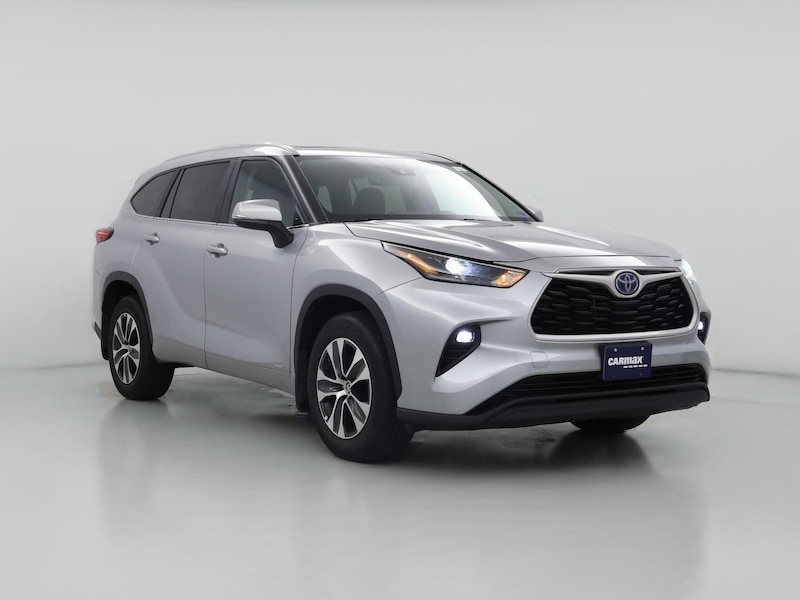
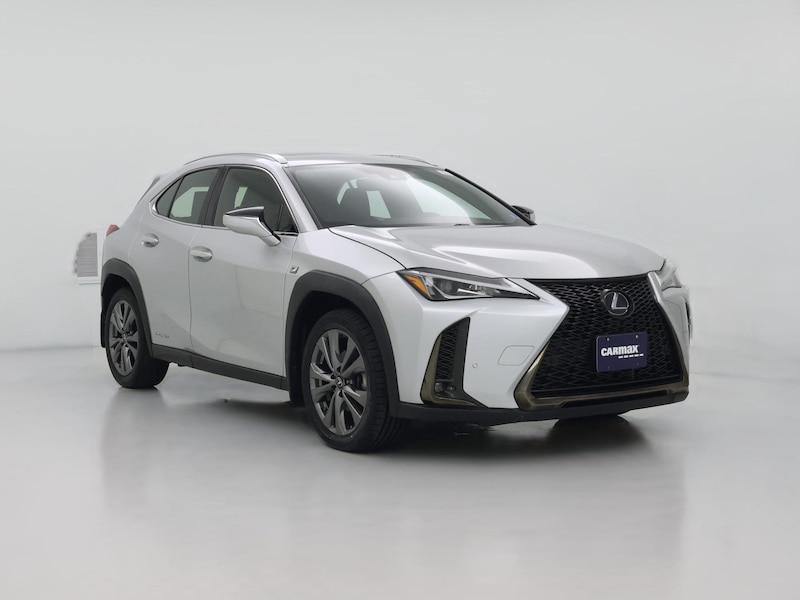
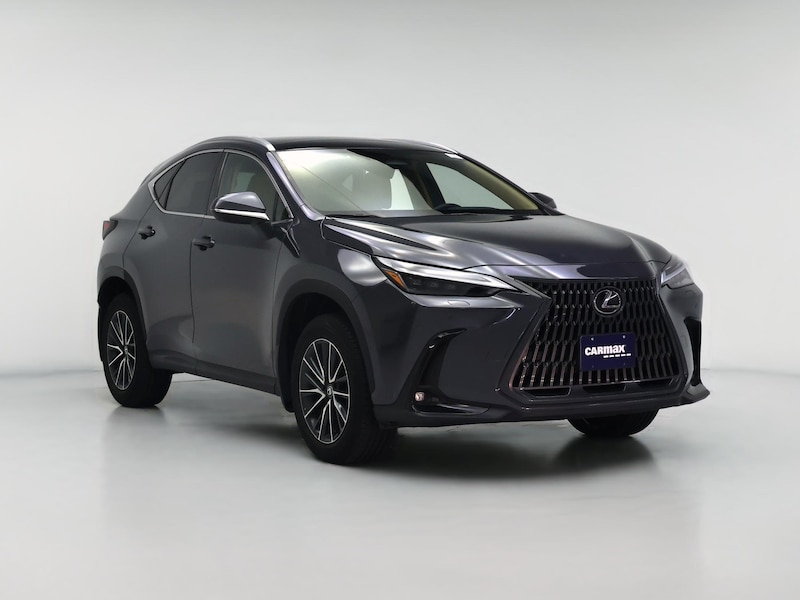
The Highlander Hybrid prioritizes space, while the NX 300h is a smaller, more premium-feeling crossover. Choose maximum practicality vs. upscale compact comfort. If you're focused on fuel economy, the 2021 2.5L Highlander Hybrid just beats the 2021 2.5L NX 300h with combined EPA-estimated mpg of 36 and 31, respectively.
Toyota Highlander Hybrid Advantages
Great interior space
Strong “do-it-all” utility
Standard AWD
Lexus NX 300h Advantages
Luxury interior materials
Quiet, refined ride
Premium feature list
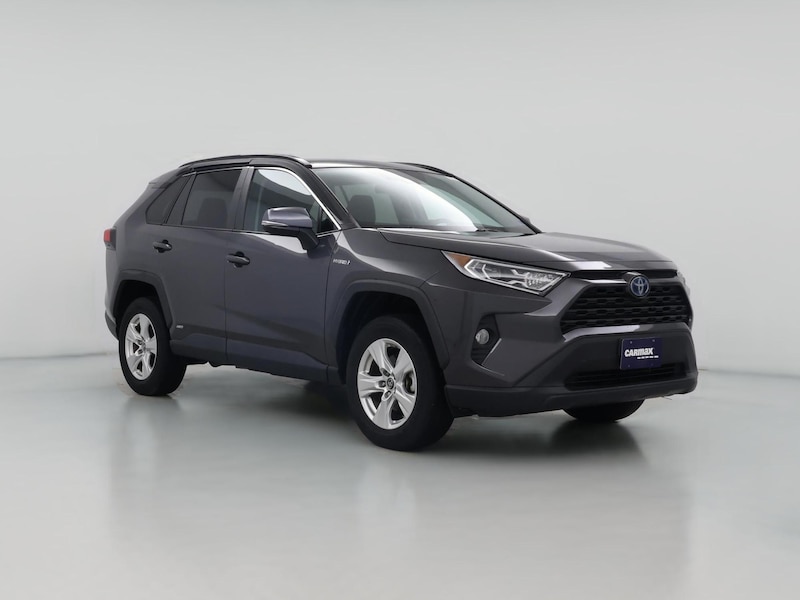
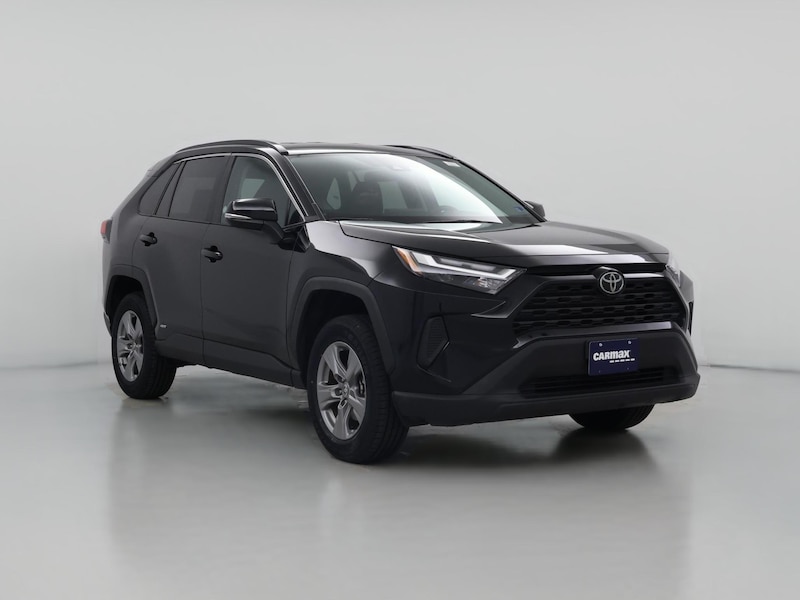
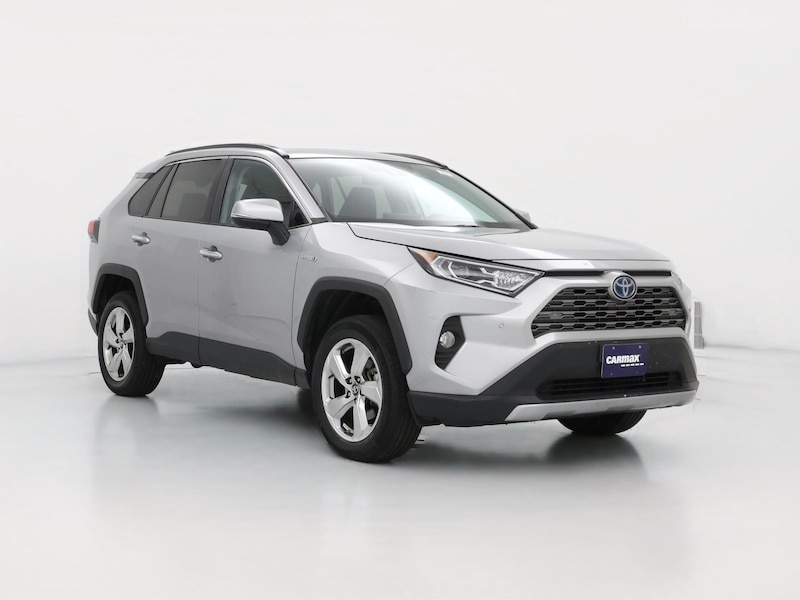
If you like the RAV4’s size and practicality, the choice is whether you want hybrid efficiency. For 2025 models, the RAV4 Hybrid's 2.5L engine gets an EPA-estimated 39 mpg combined, compared to 30 mpg for the standard 2.5L version.
Toyota RAV4 Advantages
Comfortable, quiet ride
Broad trim availability
Great off-road capability
Toyota RAV4 Hybrid Advantages
High mpg estimates
Smooth ride from the hybrid powertrain
Good acceleration
The Toyota Camry is a midsize sedan that ticks a lot of boxes. If you're a commuter, you might appreciate the fuel economy boost in the Camry Hybrid. The 2024 hybrid gets an EPA-estimated 52 mpg combined from its 2.5L powertrain, while the gas-only model gets a still-respectable 32 mpg combined.
Toyota Camry Advantages
Easy to drive
Good list of standard features
Plenty of storage space for small items
Toyota Camry Hybrid Advantages
Excellent fuel economy
Great for daily commuting
Smooth stop-and-go driving
The Toyota Highlander is an SUV with plenty of space for you and your crew. If fuel economy is important to you, the 2025 Highlander Hybrid is a good choice as it gets an EPA-estimated 35 mpg combined (with AWD and the 2.5L engine). For comparison, the standard 2025 Highlander with the 2.4L engine and AWD gets 24 mpg combined.
Toyota Highlander Advantages
Often cheaper to purchase
Gas-only simplicity
Broad used selection
Toyota Highlander Hybrid Advantages
Better efficiency for its size
Popular AWD hybrid option
Strong owner ratings
Compare different hybrids side-by-side
Try out our comparison toolWhat to know about hybrids
Hybrids explained
All hybrids operate like they have two motors—one runs on electric power, and one on gas—but there are key differences between traditional hybrids (HEVs) and plug-in hybrids (PHEVs):
HEVs | PHEVs | |
|---|---|---|
Motor | Uses a combo of both gas and electric | Uses a combo of both gas and electric |
EV mode | 1-2 miles (depending on model) before gas motor kicks in | 15-40 miles (depending on model) before gas motor kicks in |
Driving | Some models allow ability to choose whether to run on gas, electric, or both, but some do not | Provides drivers ability to choose whether to run on gas, electric, or both† |
Charging | Never plug in; can leverage regenerative braking and/or draw excess power from gasoline engine | Can plug in, leverage regenerative braking and/or draw excess power from gasoline engine |
Battery | Smaller battery with less EV power and lower weight | Larger battery with more EV power and higher weight |
† As noted, PHEVs provide drivers the ability to choose whether to run on gas, electric, or both. If you're not into guesswork though, you're in the clear—all PHEVs feature software to optimize which power source you use to provide the most efficient driving.
If you're looking for a deeper comparison of compare hybrid, electric, and gas, explore fuel types & powertrains to learn more about the engine choices for your next vehicle.
Best-selling Used Hybrids
Check out CarMax's best-selling used hybrids.
We've compiled the 10 most popular used hybrids with CarMax customers, covering a broad range of styles and prices. Learn more about how we ranked our list.



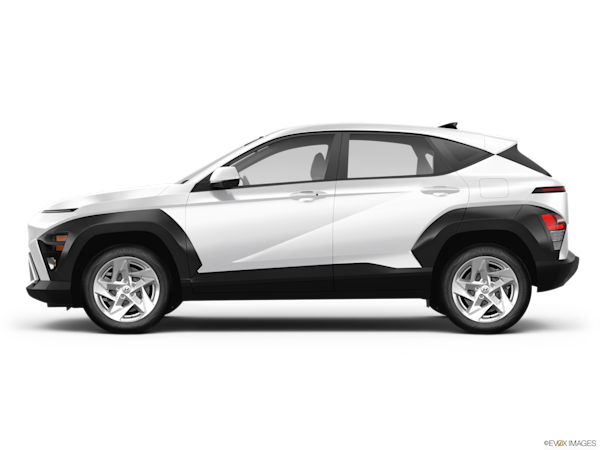
1. Hyundai Kona
CarMax owner rating
Pros
Roomy interior for people and cargo
Many standard driver assist features
Available all-wheel drive on every trim
Cons
Underwhelming acceleration from base engine
Unsettled ride with soft suspension
Lackluster handling
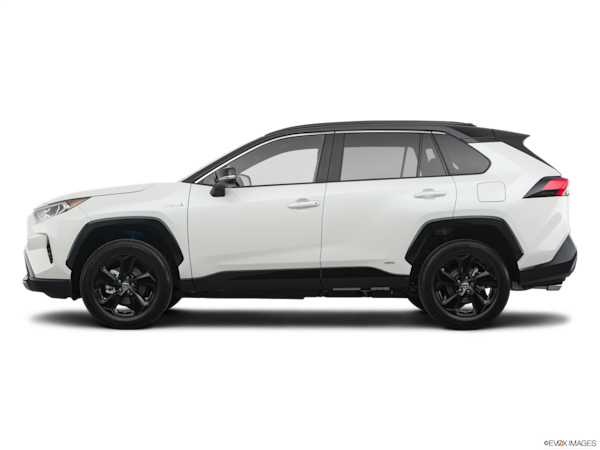
2. Toyota RAV4 Hybrid
CarMax owner rating
Pros
Excellent fuel economy estimates
Smooth ride
Good cargo capacity
Cons
Uncomfortable front seats
Mushy brake pedal
Unpleasant engine noise
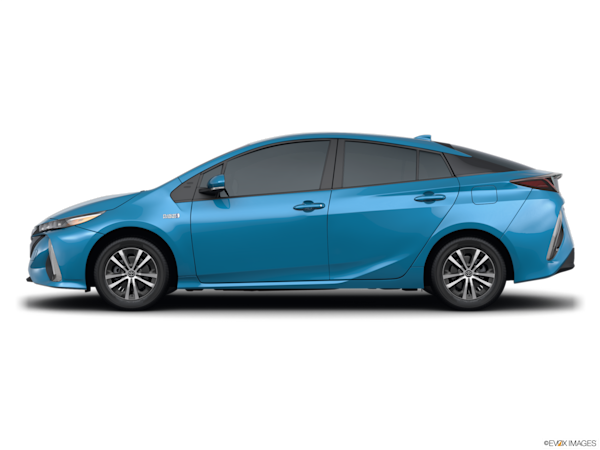
3. Toyota Prius
CarMax owner rating
Best-selling Used AWD Hybrids
Check out CarMax's best-selling used AWD hybrids.
We've compiled the 10 most popular used AWD hybrids with CarMax customers, covering a broad range of styles and prices. Learn more about how we ranked our list.

1. Toyota RAV4 Hybrid
CarMax owner rating
Pros
Excellent fuel economy estimates
Smooth ride
Good cargo capacity
Cons
Uncomfortable front seats
Mushy brake pedal
Unpleasant engine noise

2. Toyota Sienna
CarMax owner rating

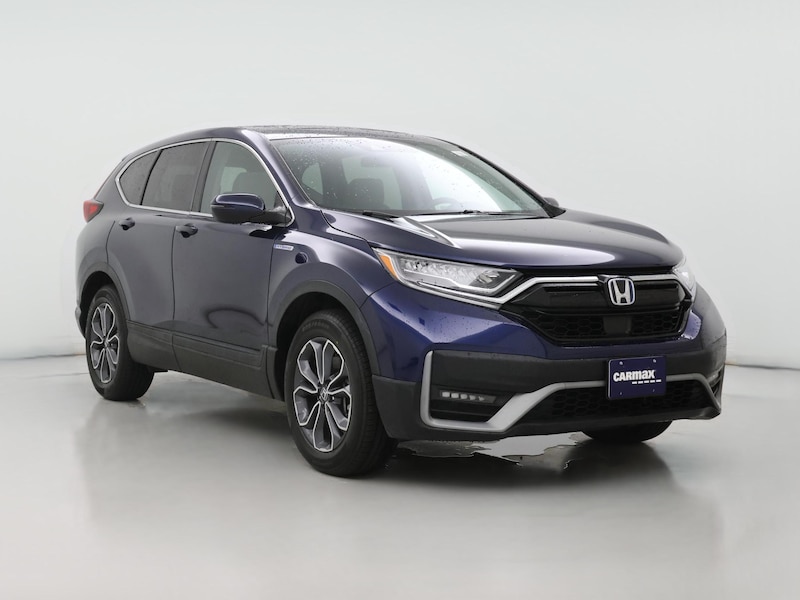
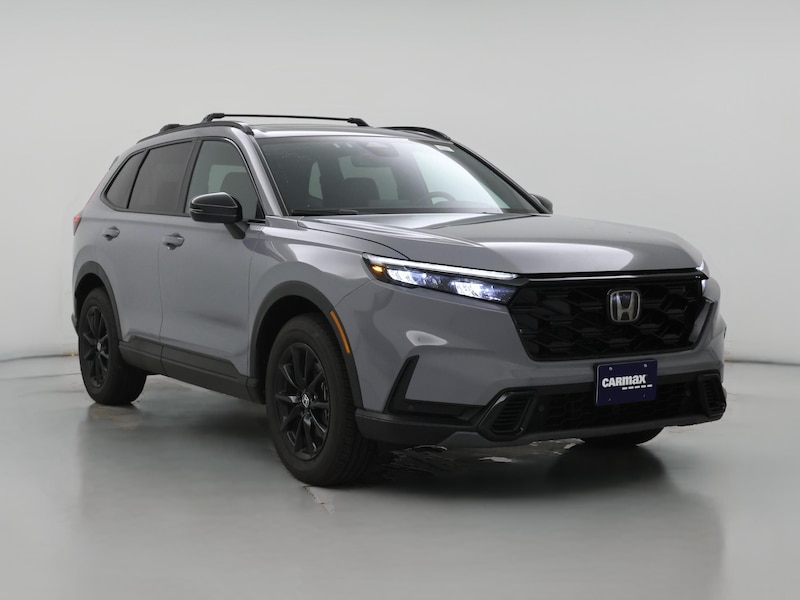
3. Honda CR-V Hybrid
CarMax owner rating
Pros
Great cabin layout
Lots of storage space
Available AWD
Cons
Noisy at times
Sluggish, especially on hills
Limited in-cab storage
Best-selling Used Hybrid SUVs
Check out CarMax's best-selling used hybrid SUVs.
We've compiled the 10 most popular used hybrid SUVs with CarMax customers, covering a broad range of sizes and prices. Learn more about how we ranked our list.

1. Hyundai Kona
CarMax owner rating
Pros
Roomy interior for people and cargo
Many standard driver assist features
Available all-wheel drive on every trim
Cons
Underwhelming acceleration from base engine
Unsettled ride with soft suspension
Lackluster handling
2. Toyota RAV4 Hybrid
CarMax owner rating
Pros
Excellent fuel economy estimates
Smooth ride
Good cargo capacity
Cons
Uncomfortable front seats
Mushy brake pedal
Unpleasant engine noise
3. Honda CR-V Hybrid
CarMax owner rating
Pros
Great cabin layout
Lots of storage space
Available AWD
Cons
Noisy at times
Sluggish, especially on hills
Limited in-cab storage
Research hybrid models
FAQs about hybrid vehicles
What's best depends on your needs, but you have some good choices under $20,000. If you take a look at the CarMax listings, you can filter by price to find vehicles in your budget range. The Toyota Prius and Toyota Camry regularly rank well in our best-of lists. If you'd prefer a luxury touch, look out for older models of the Lexus ES 300h or CT 200h. If a small SUV or crossover is more your style, look out for hybrid models of the Kia Niro, Ford Escape, or Subaru Crosstrek.
Maintenance items are similar to a gas-only car (tires, fluids, brakes), but you might need to consider battery condition, too. Take a look at RepairPal® to get an idea of the reliability and maintenance costs of your chosen hybrid. Remember, it's important that you don’t judge condition by mileage alone; history often matters more.
Hybrids typically deliver better mpg than comparable gas-only models, especially in stop-and-go driving. For example, the 2024 Toyota Camry hybrid gets an EPA-estimated 52 mpg combined from its 2.5L powertrain, while the gas-only model gets a 32 mpg combined.† There are a lot of models with mpg in the fifties, including the 2025 Toyota Prius, which gets a huge 57 mpg combined from its 2.0L engine.†
†Fuel economy figures are based on EPA estimates for when vehicle sold as new. Fuel economy may vary for reasons like driving conditions and vehicle history. Unless specified, figures are for vehicles equipped with an automatic transmission. See fueleconomy.gov
For city-heavy driving, smaller hybrids built around efficiency are often a great fit. For long commutes, comfort and driver-assist features matter too.
Resale value is driven by demand, RepairPal® reliability, and how easy a model is maintain. Models that show up repeatedly on our best of lists — such as the Prius, RAV4 Hybrid, and Highlander Hybrid — are most likely to remain popular. Use our comparison tool to see different years and trims side by side.
Hybrid vehicles pair a battery pack and at least one electric motor with a gasoline-powered engine. The battery pack is charged by harvesting energy from the gas engine and regenerative braking, which then powers the electric motor to help with acceleration and low-speed driving where electric motors are more energy efficient than gas engines. This leads to greater overall efficiency than comparable gas-only vehicles.
“Hybrid” most generally refers to a hybrid electric vehicle (or HEV), one which uses a gasoline engine and at least one electric motor for power, but which does not need to be plugged in to charge. They offer significant improvements in fuel efficiency over similar gas cars.
A “mild hybrid” is very much like a traditional gasoline car with a more powerful electrical system that relieves some of the engine’s load. Mild hybrids offer slight efficiency gains over traditional gas cars.
A plug-in hybrid (or PHEV) uses a larger battery and more powerful electric motors–it can be plugged in and charged up and is able to drive on electric power alone. Depending on how you drive it, a PHEV can run on very little gas.
Because they need battery packs, hybrid cars tend to weigh more and cost more than similarly-sized gasoline cars. These battery packs will also need to be replaced eventually as their capacity diminishes over time, which can be a significant added cost for high-mileage hybrids.
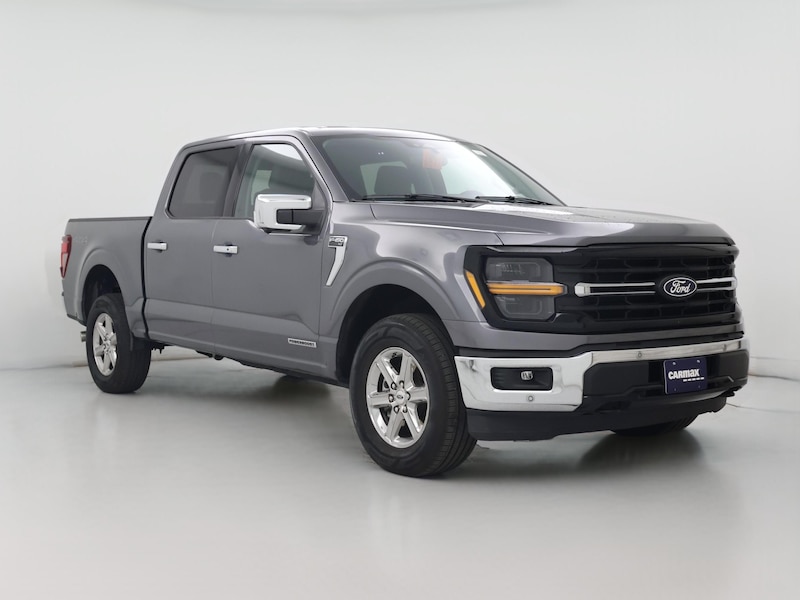
Although the Toyota Prius has earned a spot as the poster child for hybrids, choosing the best hybrid depends on your needs. Currently there are hybrid sedans, hatchbacks, SUVs and even trucks. Luxury and performance hybrids and plug-in hybrids are also available. Basically, any vehicle category you could be shopping in likely has a hybrid of some sort available.
The most common mild hybrids use a small electric motor that acts as a starter and generator, and can provide some extra assistance to the engine. Mostly, the stronger electrical system improves efficiency by running accessories like the air conditioning pump and water pump that are traditionally driven by belts, taking some load off the engine. They don’t rely on their electric motors for acceleration, like hybrid electric vehicles do.
Energy must be used to get any vehicle up to speed, and typically that energy comes from either a fuel source or battery pack in your car.
With a traditional braking system, pushing your foot on the pedal triggers the brake components to compress together, creating resistance to slow your vehicle's wheels. Any energy you had used to get up to speed is then lost as heat.
With a regenerative braking system, your wheels are connected to a motor that recaptures some of the energy used to get your vehicle up to speed, which is then converted back to stored power in the battery—hence the name 'regenerative'.
Most electric vehicles, including full EVs, HEVs, and PHEVs, feature both braking systems and allow you to select whether to use both or only regenerative braking. Because most regenerative braking systems kick in immediately after releasing your accelerator pedal (no need to apply the brake pedal) you can drive while using your traditional brakes significantly less often; this is commonly called one-pedal driving.
Learn more about hybrids





What is a hybrid car? [video]
Hybrid cars have changed a lot over the years. Today, what a hybrid car means is something with a powerful engine, brisk acceleration, and sharp styling too. Check it out as Desola Bagolun busts some common myths that just no longer apply to modern hybrid cars.
Ready to find your hybrid?
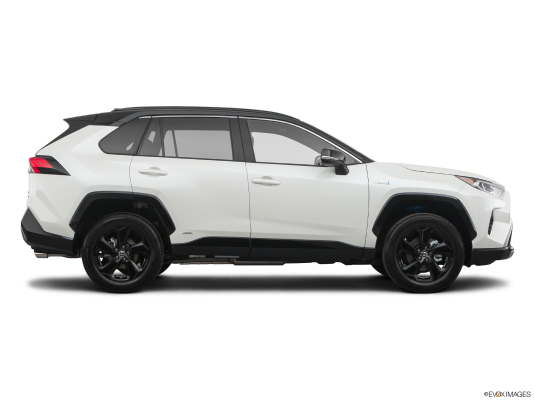
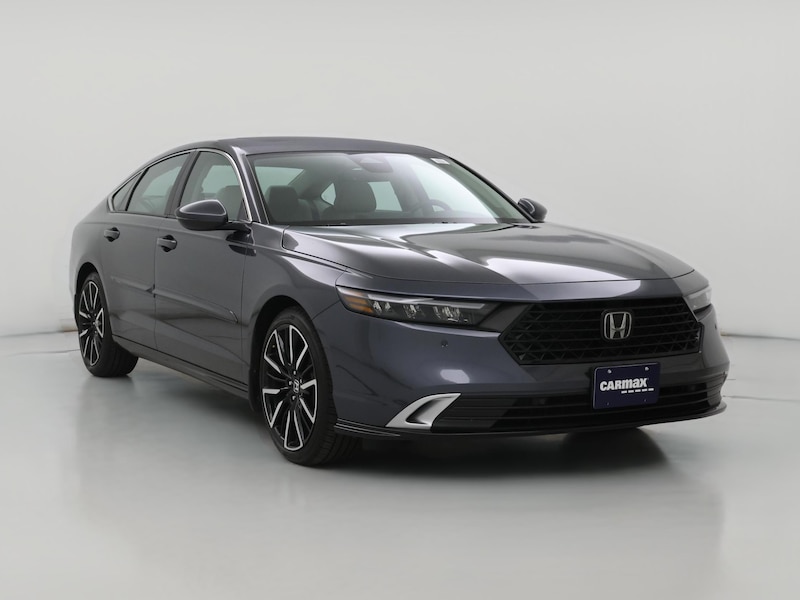
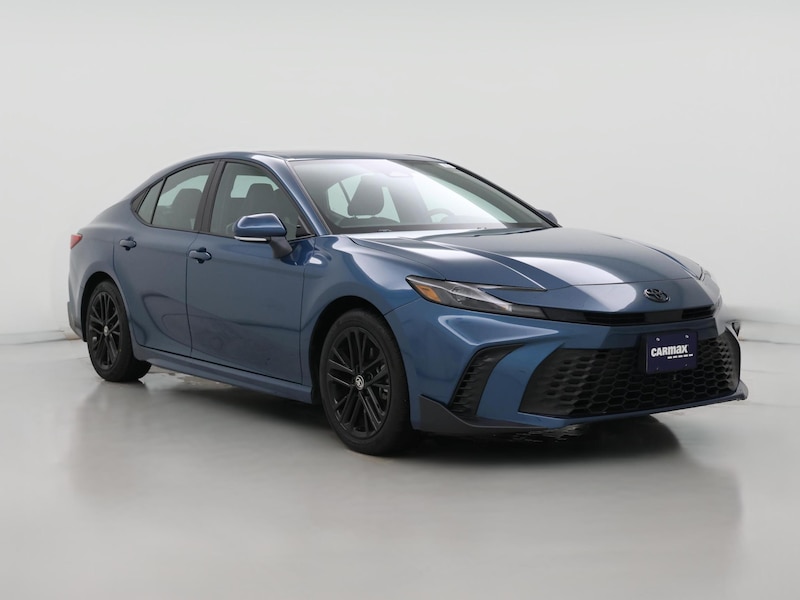
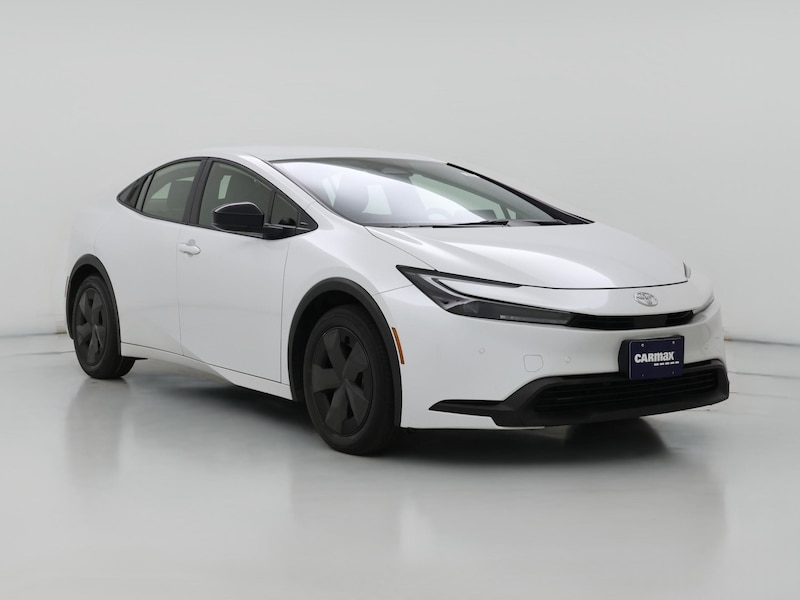
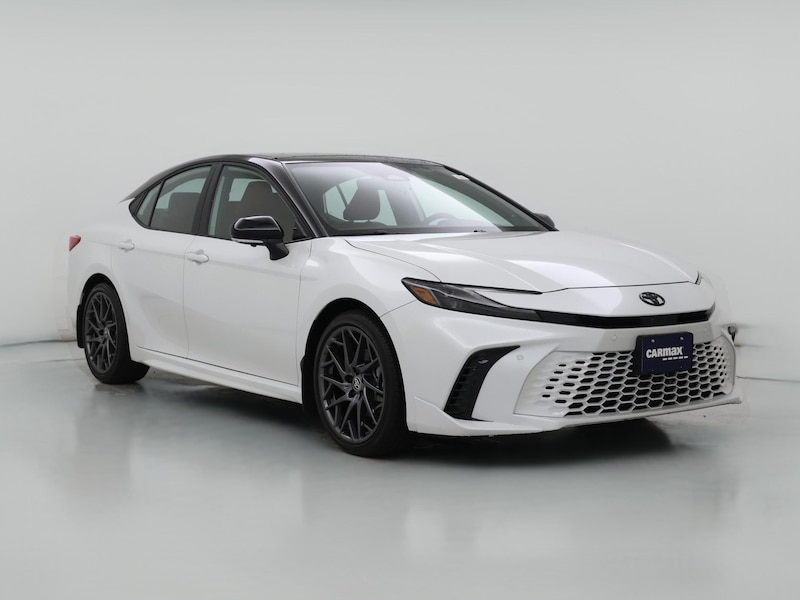
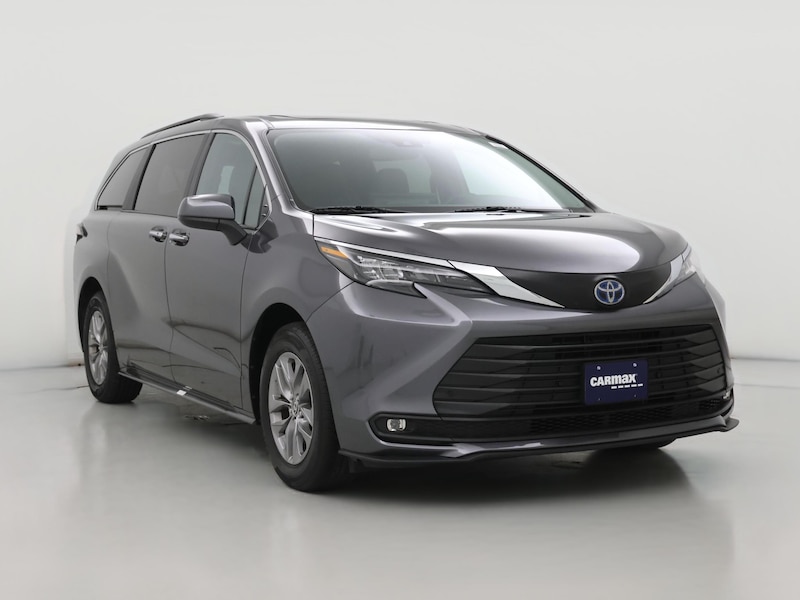
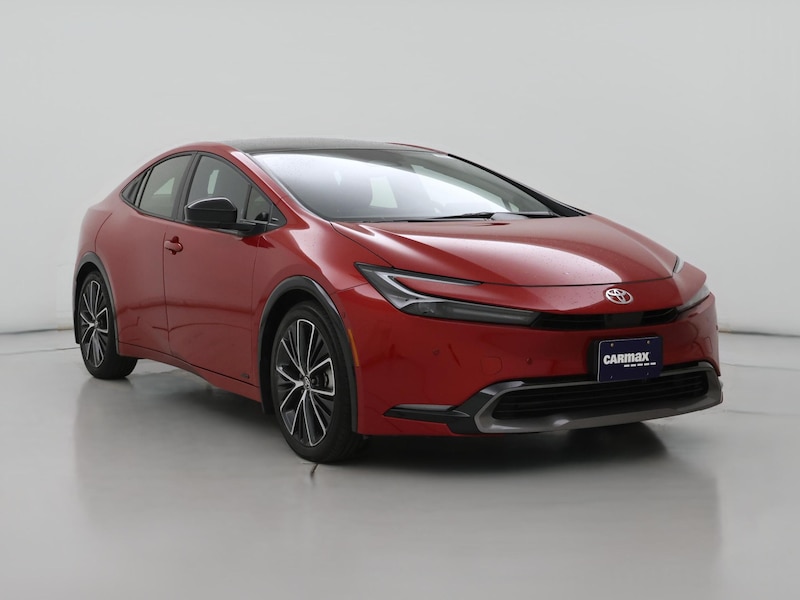
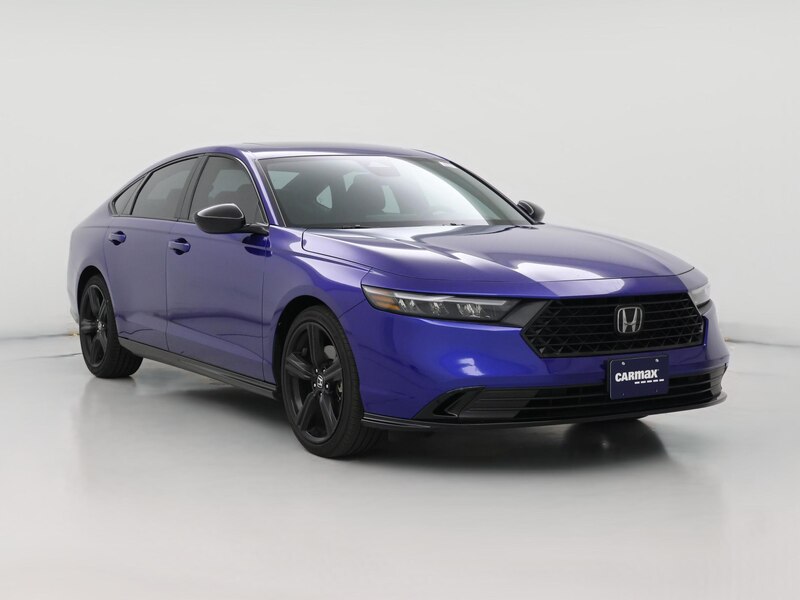
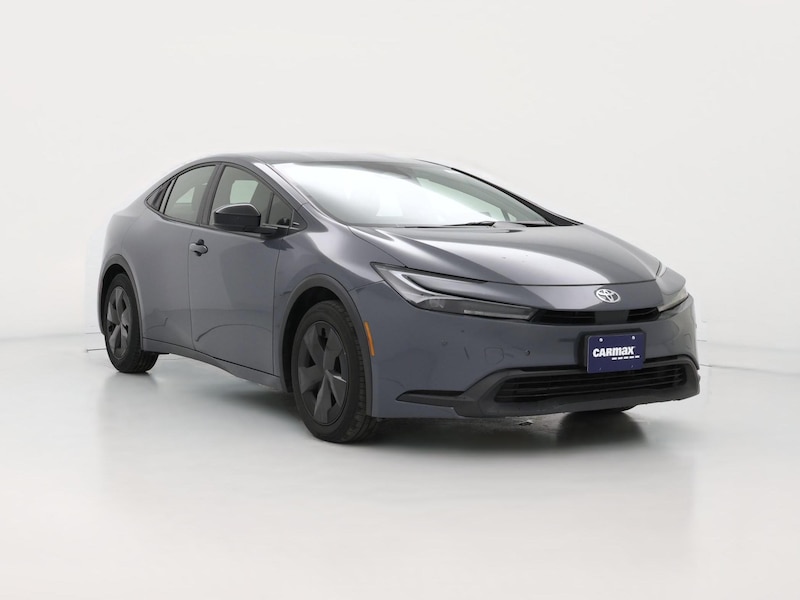
Research other alternative fuel options



How we ranked these vehicles
Our "Best of" lists represent the most popular vehicles with CarMax customers. To create the Best lists, our analysts look at CarMax vehicle and sales data over a recent 6-month period and rank the top selling vehicles in order. Looking back over a 6-month period allows for the highest sample size possible while also providing up-to-date pricing information. Each list includes the specific dates used when it was generated. Some articles may include data points with lower sample sizes.
To create our "Most Reliable" lists, our analysts pull the top most reliable vehicles—in order—according to RepairPal rankings. RepairPal Reliability Ratings are based on the actual cost, frequency, and severity of unscheduled repairs and maintenance on make/model data for select 2006-2020 vehicles. The reliability of a specific vehicle may vary depending on its maintenance and driving history, model year, trim, and features. RepairPal Reliability Ratings are provided by RepairPal and CarMax is not responsible for their accuracy. Learn more about RepairPal reliability ratings.
We hope you found this information helpful. This content is intended to inform and is not meant to provide legal, financial or investment advice. We make every effort to provide accurate information, but please verify before transacting and consider talking to a qualified professional about your unique circumstances.
Statements of fuel economy or EV range are based on EPA and other third-party estimates for vehicles when new. Fuel economy and EV range will degrade with time and vary based on age, driving conditions, vehicle history, and other conditions. See fueleconomy.gov for more info.
Editorial content contained on this page comes from Edmunds.com, Inc., a subsidiary of CarMax Enterprise Service, LLC, and information related to featured vehicles comes from third-party sources, including manufacturer information. Product and company names may be trademarks or registered trademarks of third-party entities. Use of them does not imply any affiliation with or endorsement by these entities. By clicking on any video links, you will be taken to a third-party site maintained by YouTube, Inc.