

Compare 2020 Nissan Leaf vs 2020 Chevrolet Bolt EV vs 2020 BMW I3
Understand the similarities and differences
Compare trims
Compare up to three vehicles at a time to uncover model or trim similarities and differences, or explore trim-level features within the same make and model.
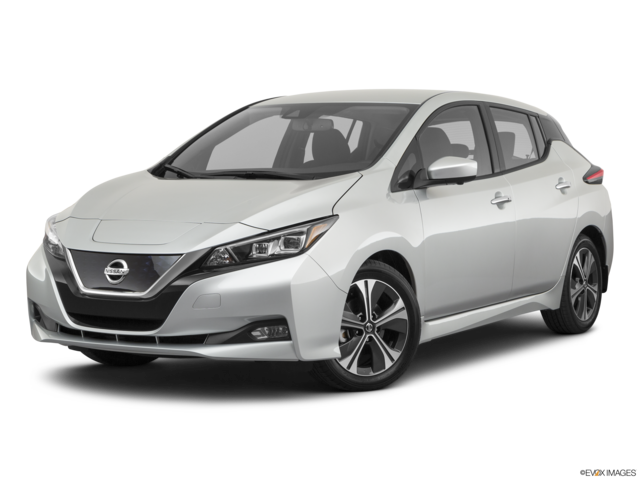 2020 Nissan LeafSV Plus 4D Hatchback 2WD Motor - Automatic 0.0L 0 Cyl. | 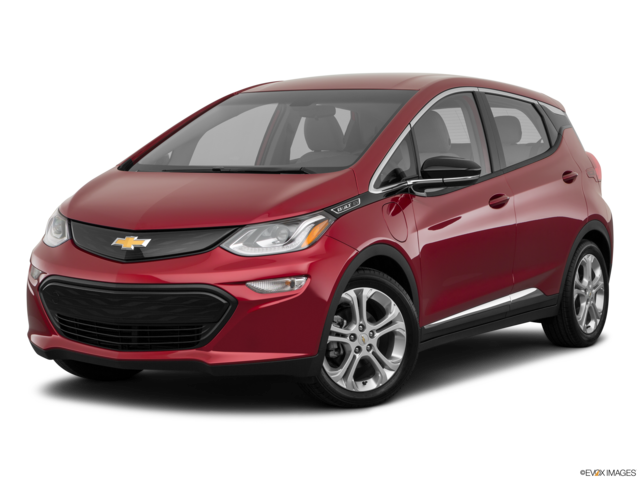 2020 Chevrolet Bolt EVPremier 4D Hatchback 2WD Motor - Automatic 0.0L 0 Cyl. | 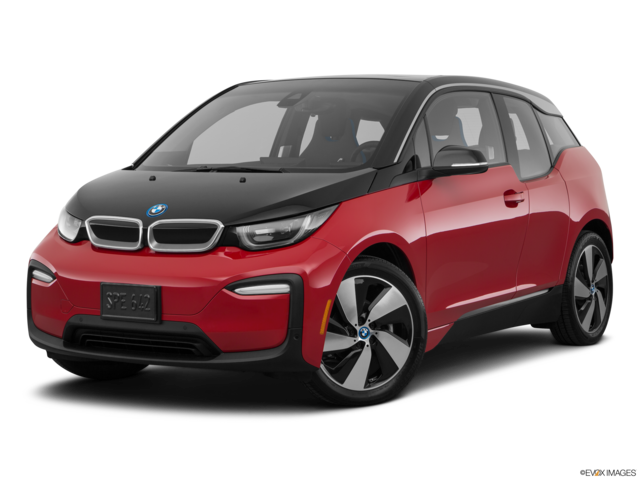 2020 BMW I3S Range Extender 4D Hatchback 2WD Motor - Automatic 0.6L 181 HP 2 Cyl. |
| 2020 Nissan Leaf | 2020 Chevrolet Bolt EV | 2020 BMW I3 | |
|---|---|---|---|
Pricing for Current Inventory | From $12,000 - $17,999* | From $7,000 - $100,999* | From $22,000 - $22,999* |
Mileage/Battery Range (EPA estimate) | 150 miles | 259 miles | 126 miles |
Customer Review | |||
Reliability Rating | (data not available) | ||
Seating Capacity | 5 | 5 | 4 |
Drivetrain | Front Wheel Drive | Rear Wheel Drive | |
Fuel Type | Electric | Electric | Hybrid |
Research | |||
Shop |
| 2020 Nissan Leaf | 2020 Chevrolet Bolt EV | 2020 BMW I3 | |
|---|---|---|---|
| Smart Key | Yes | Yes | Yes |
| Power Windows | Yes | Yes | Yes |
| Power Locks | Yes | Yes | Yes |
| Power Mirrors | Yes | Yes | Yes |
| Rear Defroster | Yes | Yes | Yes |
| Air Conditioning | Yes | Yes | Yes |
| Side Airbags | Yes | Yes | Yes |
| Traction Control | Yes | Yes | Yes |
| ABS Brakes | Yes | Yes | Yes |
| Cruise Control | Yes | Yes | Yes |
| Rear View Camera | Yes | Yes | Yes |
| Parking Sensors | Yes | Yes | Yes |
| Alloy Wheels | Yes | Yes | Yes |
| Automatic Transmission | Yes | Yes | Yes |
| Apple CarPlay | Yes | Yes | Yes |
| Satellite Radio Ready | Yes | Yes | Yes |
| AM/FM Stereo | Yes | Yes | Yes |
| Bluetooth Technology | Yes | Yes | Yes |
| Auxiliary Audio Input | Yes | Yes | Yes |
| Front Seat Heaters | Yes | Yes | Yes |
| Heated Mirrors | Yes | Yes | Yes |
| 2020 Nissan Leaf | 2020 Chevrolet Bolt EV | 2020 BMW I3 | |
|---|---|---|---|
| Lane Departure Warning | Yes | Yes | No |
| Cloth Seats | Yes | No | Yes |
| Blind Spot Monitor | Yes | Yes | No |
| Overhead Airbags | Yes | Yes | No |
| Android Auto | Yes | Yes | No |
| Navigation System | Yes | No | Yes |
| Power Seat(s) | Yes | No | No |
| Automated Cruise Control | Yes | No | No |
| Heated Steering Wheel | Yes | Yes | No |
| Remote Start | No | Yes | No |
| Rear Seat Heaters | No | Yes | No |
| Leather Seats | No | Yes | No |
| BOSE Sound System | No | Yes | No |
| 20 Inch Plus Wheels | No | No | Yes |
| Harman Kardon Sound | No | No | Yes |
| 2020 Nissan Leaf | 2020 Chevrolet Bolt EV | 2020 BMW I3 | |
|---|---|---|---|
| Drive Type | 2WD | 2WD | 2WD |
| Drivetrain | Front Wheel Drive | Rear Wheel Drive | |
| Engine Size | 0.0L | 0.0L | 0.6L |
| Number of Cylinders | 0 | 0 | 2 |
| Horsepower | 181 | ||
| Torque (ft-lbs) | 199 | ||
| Engine Type | Electric | Electric | Plug-in Hybrid |
| Fuel Capacity | 2.3 | ||
| Fuel Type | Electric | Electric | Hybrid |
| City/Highway Mileage (EPA estimate) | 114/94 | 127/108 | 107/93 |
| Wheelbase | 106.3" | 102.4" | 101.2" |
| Overall Length | 176.4" | 164" | 158.1" |
| Width | 70.5" | 69.5" | 70.5" |
| Height | 62" | 62.8" | 62.6" |
| Leg Room | F 42.1"/R 33.5" | F 41.6"/R 36.5" | F 40.5"/R 31.9" |
| Head Room | F 41.2"/R 37.3" | F 39.7"/R 37.9" | F 39.6"/R 37.2" |
| Seating Capacity | 5 | 5 | 4 |
| Front Tires | P215/50VR17 | P215/50R17 | P175/55TR20 |
| Rear Tires | P215/50VR17 | P215/50R17 | P195/50TR20 |
| Transmission | Automatic | Automatic | Automatic |
Popular comparisons
Compact SUVs & crossovers
- Honda CR-V vs. Toyota RAV4
- Hyundai Santa Fe vs. Hyundai Tucson
- Hyundai Tucson vs. Nissan Rogue
- Kia Sorento vs. Hyundai Santa Fe
- Kia Sportage vs. Hyundai Tucson
- Mazda CX-30 vs. Subaru Crosstrek
- Nissan Rogue vs. Honda CR-V
- Subaru Outback vs. Subaru Forester
7-passenger SUVs
- Hyundai Palisade vs. Toyota Highlander
- Kia Sorento vs. Kia Telluride
- Kia Telluride vs. Honda Pilot
- Volkswagen Atlas vs. Hyundai Palisade
Family sedans
- Honda Accord vs. Toyota Camry
- Honda Civic vs. Toyota Corolla
- Hyundai Elantra vs. Nissan Sentra
- Kia Forte vs. Hyundai Elantra
- Toyota Prius vs. Toyota Camry
Trucks & minivans
Car comparison tool
Compare different makes, models, years, and trim levels side-by-side
Use this tool to easily evaluate features, compare engines and fuel economy (or electric range). Plus, see how passenger capacity and cargo space stack up against each other.
Helpful articles and advice



Ready to find your ride?

Frequently asked questions
When buying a car, you should consider the following factors:
1. Fuel economy: Ensure you'll be comfortable with the running costs of the vehicle for your day-to-day use.2. Price: Consider not only the purchase price but also associated taxes, insurance costs, and maintenance when budgeting.
3. Ratings: Look to how existing owners of that vehicle feel (such as CarMax's vehicle owner reviews) and also professional services (such as RepairPal reliability ratings).
4. Dimensions: Ensure the exterior size of the vehicle is something you can easily park (whether in a garage, a lot, or on the street) and that the interior size will fit your lifestyle (such as adequate space for passengers or car seats).
5. Technology: Check out the technology features (both infotainment and driver assistance features) that can enhance your driving experience.
Remember, the right car for you depends on your specific needs and lifestyle.
Both AWD (all-wheel drive) and 4WD (four-wheel drive) send power from your engine to all four wheels of your vehicle in order to take maximum advantage of available traction.
AWD uses a variable connection that your vehicle can adjust on the fly, at any speed, to shift power where it’s needed. 4WD connects your front and rear wheels through a transfer case that splits power evenly, and it's meant to be used at lower speeds and in challenging terrain.
You can learn more in our exploration of the topic: AWD vs. 4WD: What's the Difference?
The choice between a smaller turbocharged engine and a larger naturally-aspirated engine depends on your specific needs and preferences.
A smaller turbocharged engine, like the 1.5L turbocharged three-cylinder engine in the 2022 Nissan Rogue, can provide ample power (201 hp and 225 lb-ft of torque) while achieving good fuel economy (an EPA-estimated 33 mpg combined). Over the last two decades, more and more manufacturers have adopted smaller engines equipped with turbocharging to deliver better fuel economy.
On the other hand, a larger naturally aspirated engine, like the V8 engine in the 2021 Lexus RC F, can provide a significant amount of power (472hp).
Ultimately, your choice would depend on what you value more: fuel efficiency or power.
Research different types of vehicles
Research vehicles based upon body style, fuel type, or lifestyle need
We hope you found this information helpful. This content is intended to inform and is not meant to indicate that a particular vehicle is currently available or recommended for you.
Statements of fuel economy or EV range are based on EPA and other third-party estimates for vehicles when new. Fuel economy and EV range will degrade with time and vary based on age, driving conditions, vehicle history, and other conditions. See fueleconomy.gov for more info.
Unless otherwise noted, information related to featured vehicles comes from third-party sources, including manufacturer information. Product and company names may be trademarks or registered trademarks of third-party entities. Use of them does not imply any affiliation with or endorsement by these entities. By clicking on any video links, you will be taken to a third-party site maintained by YouTube, Inc.
We make every effort to provide accurate information, but please verify before purchasing.