Here’s everything you need to know about all-wheel drive and four-wheel drive, including what makes them different, how each one handles snow and off-road conditions, and exactly which one you should choose.
Article Summary:
What AWD Is Best At
AWD works automatically to balance traction and fuel economy, making it ideal for paved roads and light snow or dirt.What 4WD Is Designed For
4WD splits power evenly to all wheels using a transfer case, excelling in off-road driving, deep snow, and towing.AWD vs. 4WD in Daily Driving
AWD is easier to use and more efficient for everyday driving, while 4WD should be used mainly at low speeds.How to Choose the Right System
Choose AWD for mostly on-road driving and winter weather; choose 4WD for heavy off-roading or frequent towing.
Quicklinks:
If you live somewhere with a lot of rain or snow, or if you want to drive off-road, you’re probably considering an all-wheel drive (AWD) or four-wheel drive (4WD or 4x4) vehicle. Both have an advantage over two-wheel drive vehicles in wintry conditions or on dirt because both send power from the engine to all four wheels. You may even see both terms used interchangeably, but there are important distinctions you need to understand before you buy a 4WD or AWD vehicle.
Here’s how AWD and 4WD actually work—and a clear decision guide to help you pick the right one.
What is AWD?
Most all-wheel drive (AWD) systems let your vehicle automatically decide when to drive all four wheels. They’re adaptable, balancing fuel economy and traction without the driver having to think about it.
AWD highlights
Thinks for itself, so you can focus on driving
Balances fuel economy and extra traction
Designed for paved roads but can handle some light-duty off-roading
Available on a wide selection of cars, crossovers, and SUVs

How does all-wheel drive work?
You’ll find all-wheel drive on a wide selection of cars and SUVs. All-wheel drive connects your vehicle's engines to the front and rear wheels, but most AWD cars and SUVs can change how much power goes to the front or back wheels, and can even disconnect power from one axle entirely. This is called “part-time all-wheel drive,” and it’s the most common type of AWD.
Most mainstream small and medium SUVs, like the Honda CR-V and Toyota Highlander, primarily send power to their front wheels. When they’re equipped with AWD, they use sensors to detect whether the front wheels are slipping and engage all-wheel drive to compensate. All you have to do is drive, and let the car handle the rest. This makes life easy for the driver and lets the vehicle run more efficiently. Check out our list of AWD cars with great mpg for the most efficient AWD options.
Because part-time AWD systems still send most of their power to the front wheels, they’re limited in how much they can help in extreme conditions.
Other types of all-wheel drive
Some vehicles use “full-time all-wheel drive.” Just like the name suggests, full-time AWD always sends power to both the front and rear wheels. While these systems never turn off, they can still vary how much power goes to the front or rear if the wheels start to slip.
The advantage of full-time AWD is that there’s no delay in shifting power when you need it, and the power balance is more even than in most part-time AWD vehicles. The trade-off is lower fuel efficiency. According to the U.S. Department of Energy, AWD and 4WD systems typically reduce fuel economy by 1-2 mpg compared to two-wheel drive versions of the same vehicle. The same DOE data shows that AWD and 4WD combined accounted for 59% of new light-duty vehicles produced in 2022, making all-wheel drive the most common drivetrain choice in the U.S.
Some AWD hybrid cars operate like traditional AWD vehicles, while some use a dedicated electric motor to drive the rear wheels. You’ll also find performance cars and luxury cars that use AWD, along with modern driver assistance features, to improve handling around corners rather than for inclement weather.
What is 4WD?
Most four-wheel drive (4WD or 4x4) vehicles link the front and rear wheels together using a transfer case, splitting power evenly between them. They’re tough, but more limited in their usefulness on paved roads.
4WD highlights
Tough, built to handle more extreme conditions
Extra useful when driving off-road
Found on vehicles with higher towing capacities
Mostly available on larger SUVs and trucks

How 4WD works
Key to how a 4x4 works is a piece of equipment called a transfer case. This connects the vehicle's front and rear wheels, splitting the engine’s power evenly between them and making both axles turn at the same speed. That gives 4WD vehicles an advantage off-road or when getting out of a slippery spot, where they can power through even if multiple wheels lose traction.
Most 4WD vehicles have a switch that lets you toggle between driving all four wheels or just two (2WD). This matters: as Ford, Toyota, and other manufacturers note in their owner’s manuals, driving in 4WD mode on dry pavement at highway speeds can cause premature drivetrain wear or vehicle damage. Check your owner’s manual, but most manufacturers recommend using 4WD only in slippery conditions, at low speeds, or off-road.
Some newer 4WD trucks have an automatic mode that lets the vehicle decide when to switch. But even these systems will only kick in at lower speeds.
Other types of 4WD
Full-time 4WD is an always-on system that works on-road and at any speed, because it has additional components that let the front and rear wheels vary their speed independently. That makes it more useful on pavement, but it impacts overall fuel efficiency.
Trucks and other 4x4s built for serious off-road use often come with additional equipment to keep all four wheels turning in the toughest conditions. These include locking differentials and low-range transfer cases, which are manually controlled by the driver and only meant for off-road use.
AWD vs. 4WD: Side-by-side comparison
AWD | 4WD | |
|---|---|---|
Best for | Daily driving, light off-road, snow | Heavy off-road, towing, deep snow |
How it engages | Automatically | Usually driver-controlled |
Paved road use | Yes, at any speed | Limited – not recommended at highway speeds |
Fuel economy impact | Lower impact | Higher impact |
Ground clearance | Typically lower | Typically higher |
Typical vehicles | Sedans, crossovers, SUVs | Trucks, large SUVs |
Towing capacity | Lower | Higher |
Transfer case | No | Yes |
Is AWD or 4WD better for you?
Here’s how to decide:
Choose AWD if you:
Drive mostly on paved roads
Live somewhere with regular snow that gets plowed
Want a car, crossover, or mid-size SUV
Prefer a system that manages itself without driver input
Choose 4WD if you:
Regularly drive off-road (mud, rocks, steep inclines)
Need to tow heavy trailers or haul large loads
Drive in deep snow or on unplowed rural roads
Want a larger truck or full-size SUV
Keep in mind that AWD typically adds $1,500 or more to a vehicle’s purchase price, according to Cars.com.
What is the difference between AWD and 4WD?
Both AWD and 4WD send power from your engine to all four wheels to maximize traction. AWD uses a variable connection that your vehicle adjusts on the fly, at any speed, to shift power where it’s needed. 4WD connects your front and rear wheels through a transfer case that splits power evenly, and it's designed for lower speeds and challenging terrain.
Many variants blur the line between AWD and 4WD, and you’ll often see car manufacturers using the terms interchangeably. Some advanced 4x4s have extra equipment that makes them behave more like AWD systems, while some AWD vehicles offer terrain-specific driving modes that give them capability closer to a 4x4.
In general, AWD is for on-road driving and light off-road use. Four-wheel drive is for serious off-road conditions and for helping bigger, heavier vehicles handle tough situations.
Which is better in snow, AWD or 4WD?
According to Michelin, Bridgestone, and other leading tire manufacturers, having the right winter or snow tires is the single most important factor for driving in snow. If you’ve got the right tires, AWD vehicles are perfectly capable of handling snow.
If you live where roads are regularly plowed and gritted, AWD gives you more flexibility than 4WD. If roads aren’t plowed and snow gets deep, AWD vehicles without enough ground clearance will struggle.
4WD is ideal for pulling away from a slippery spot, driving at lower speeds on snow-covered roads, or tackling deeper snow where the added ground clearance on many 4x4s helps.
Which is better off-road, AWD or 4WD?
4WD vehicles, especially those fitted with a low-range transfer case and locking differentials, really shine off-road. You should choose a 4WD vehicle if you want to tackle mud, rocks, and steep inclines with confidence.
Some AWD cars offer selectable terrain modes and off-road hardware, but most AWD cars and SUVs are built primarily for pavement.
Having the right tires matters here too: you’re more likely to find off-road-ready tires installed from the factory on a 4x4 than on an AWD vehicle.
Popular AWD vehicles
Based on CarMax sales data, here are the AWD vehicles most popular with CarMax shoppers.
Nissan Rogue
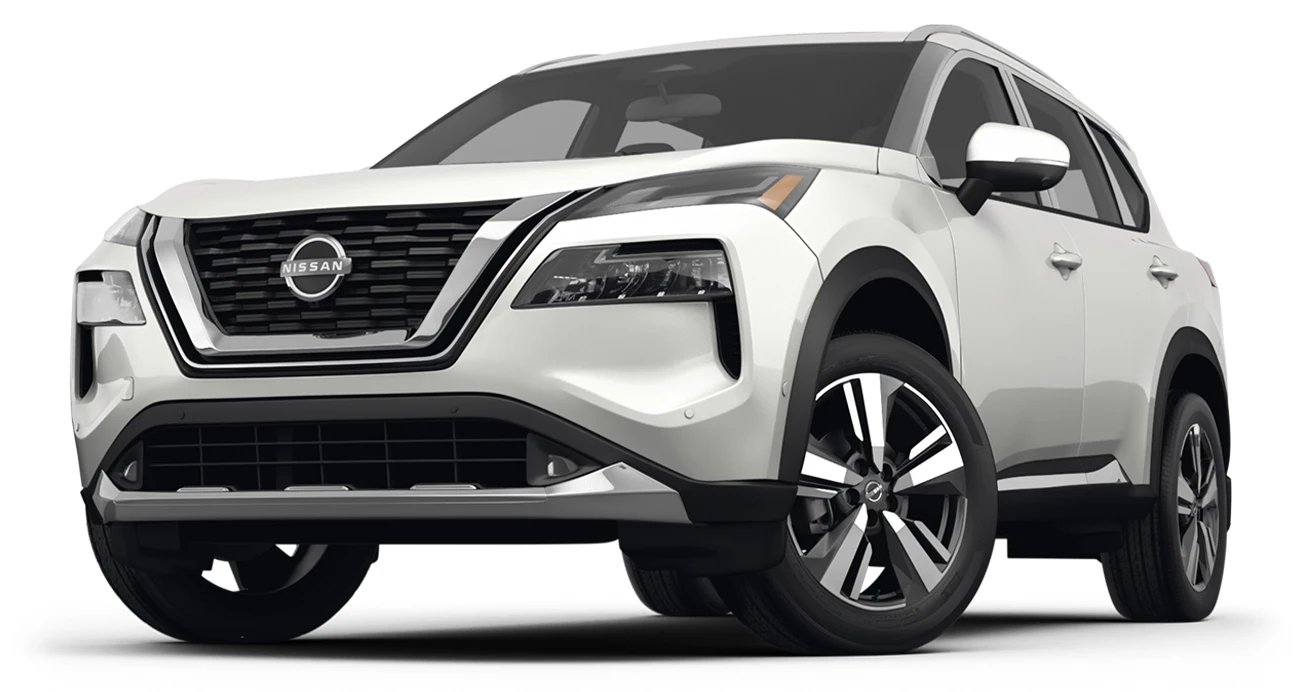
The Nissan Rogue is a popular choice for its comfortable interior, generous cargo space, and available part-time AWD. It also offers a continuously variable transmission option. Read more about the Nissan Rogue.
Honda CR-V
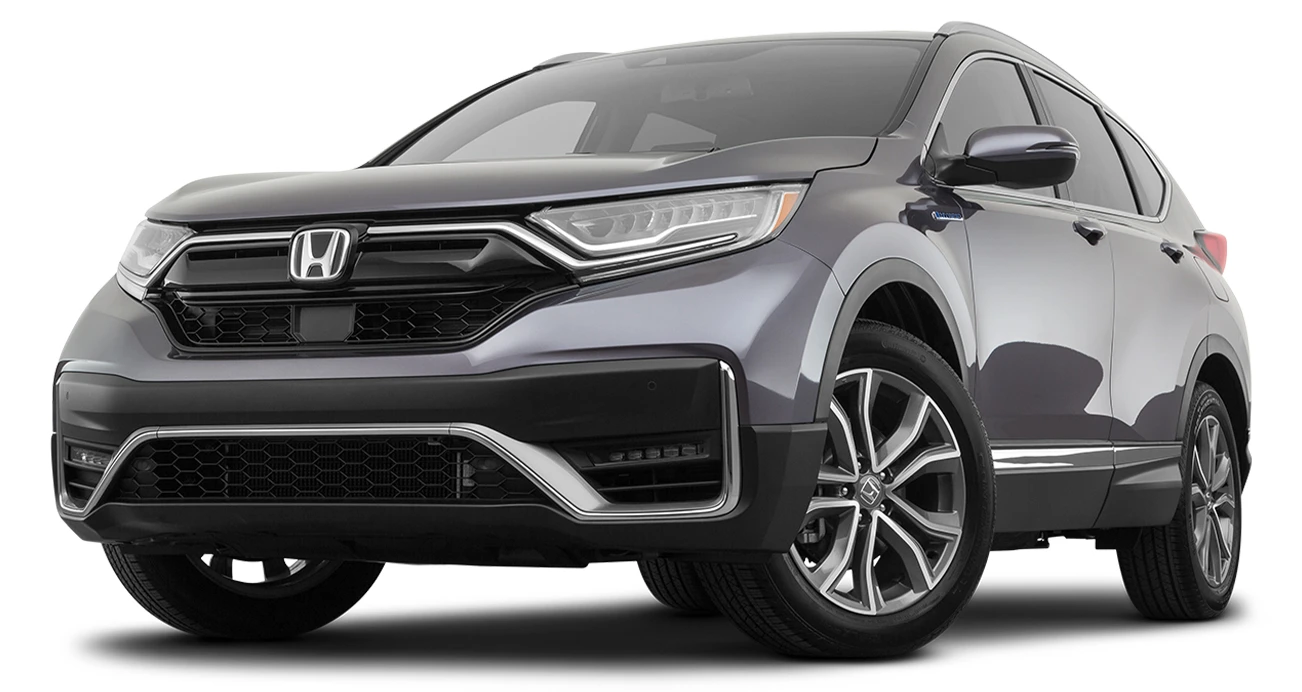
The Honda CR-V stands out for practicality—its cargo area expands to class-leading size when you fold down the rear seats. It’s available with front-wheel drive or part-time AWD, and hybrid CR-V models come with AWD standard. Read more about the Honda CR-V.
Subaru Outback
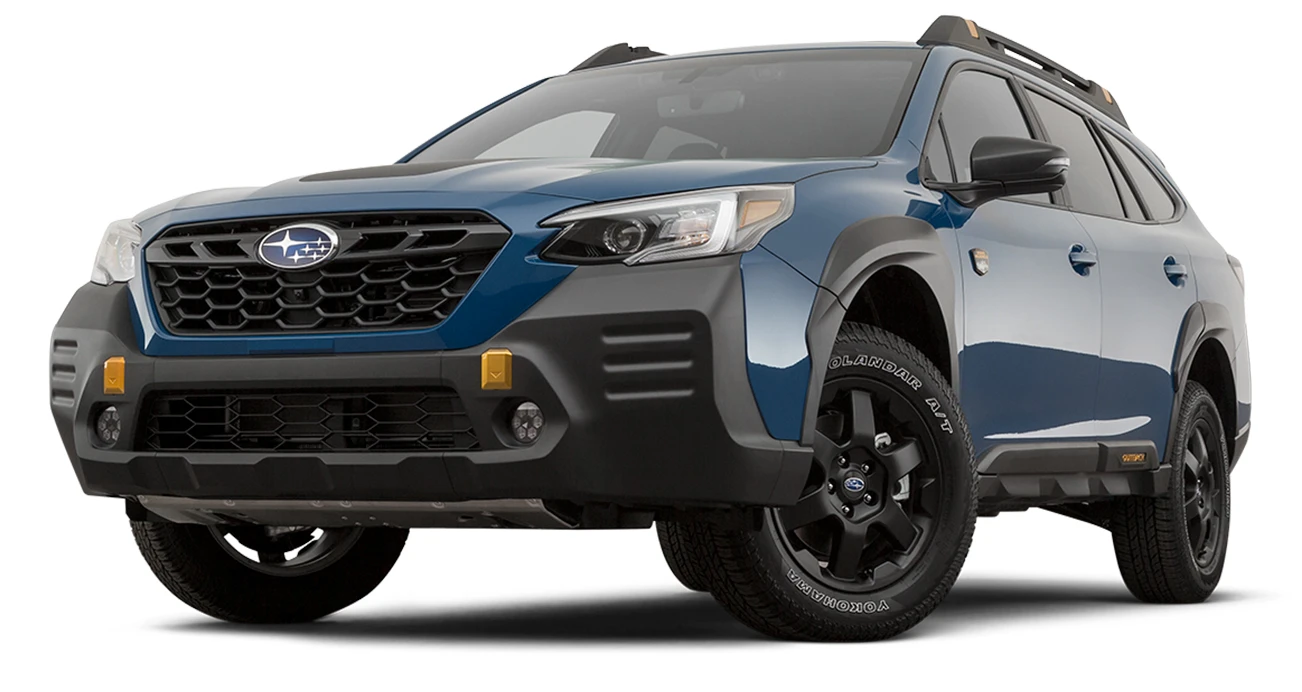
The Subaru Outback splits the difference between a station wagon and an SUV, with a comfortable ride and higher ground clearance than some trucks. All Outback models come with full-time AWD standard. Read more about the Subaru Outback.
Toyota Highlander
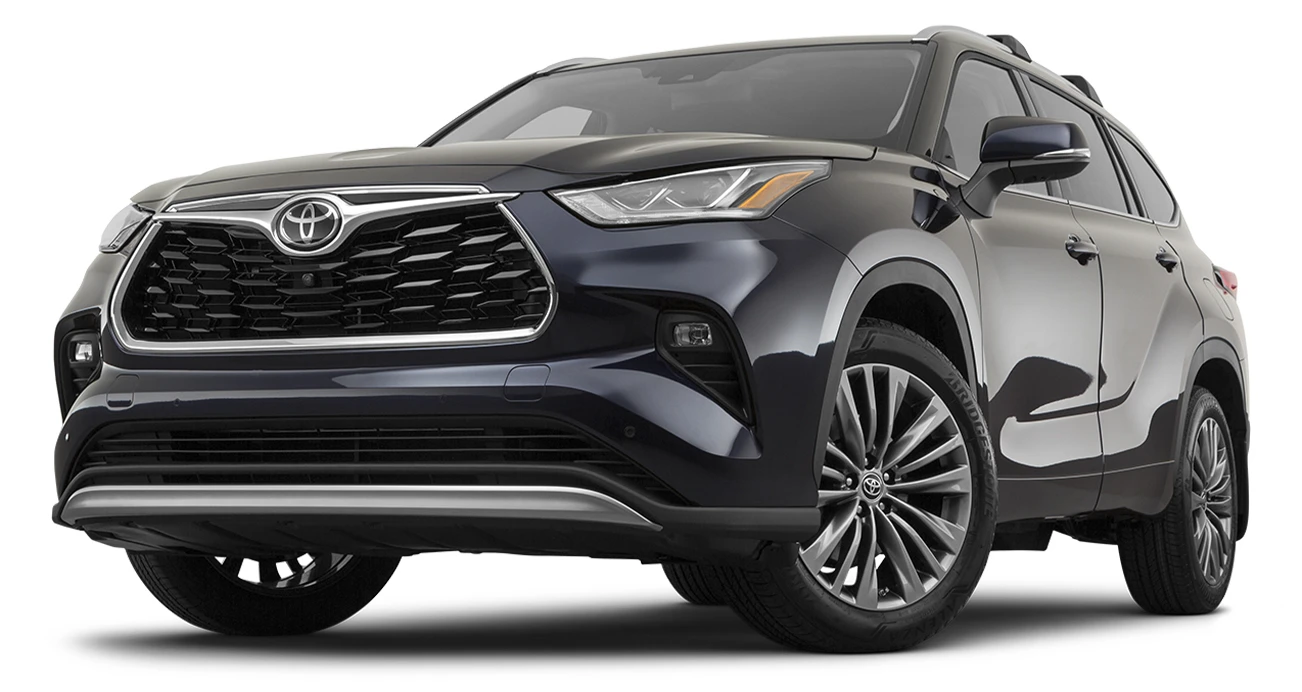
The Toyota Highlander is a midsize three-row SUV built for families. Both its V6 and available hybrid powertrain can be equipped with front-wheel drive or part-time AWD. Read more about the Toyota Highlander.
Popular 4WD vehicles
Based on CarMax sales data, here are the 4WD vehicles most popular with CarMax shoppers.
Jeep Wrangler
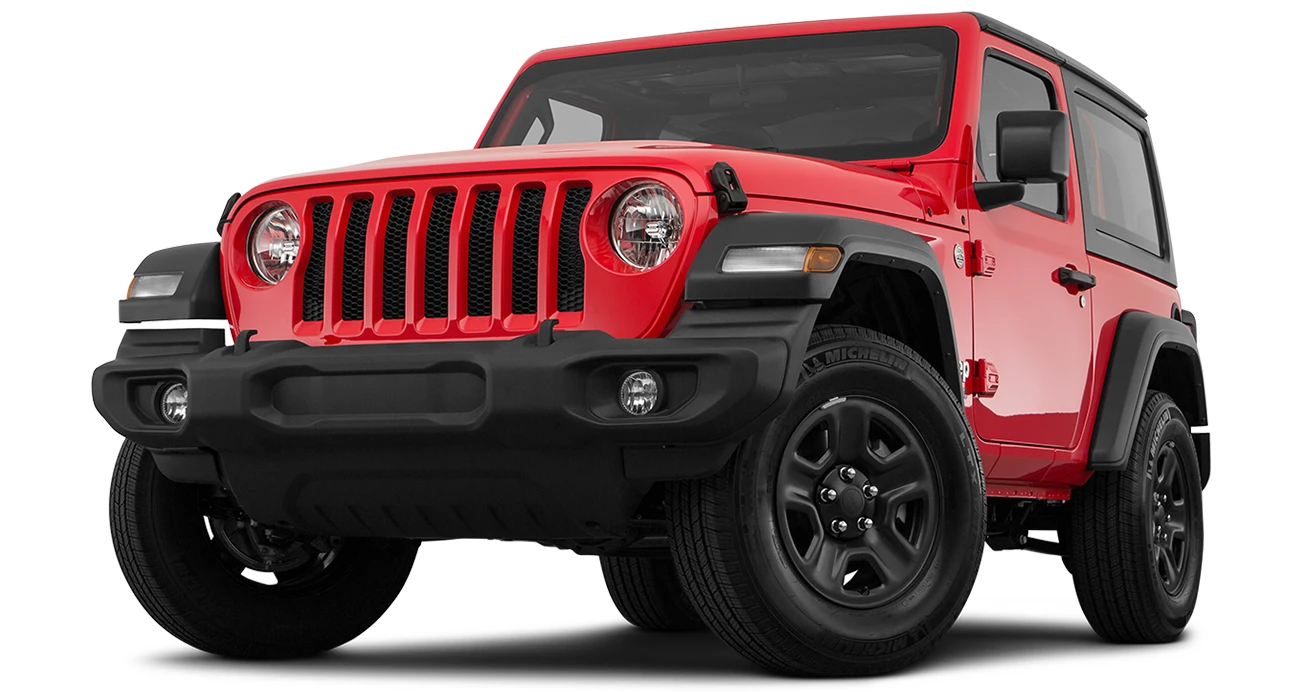
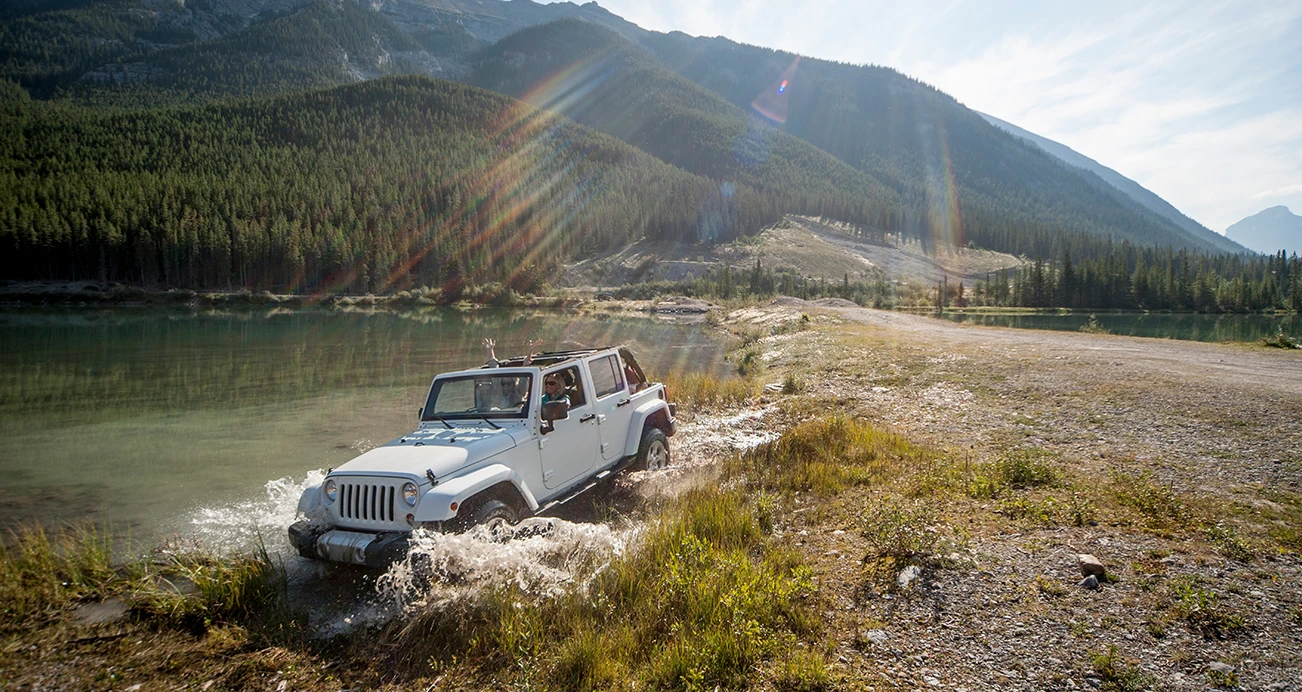
The Jeep Wrangler is essentially synonymous with off-road capability. In the Wrangler Rubicon trim, very few vehicles can match its go-anywhere ability. Since 2011, 4WD has been standard on all Wranglers. Most Wranglers use a standard 4WD system, with full-time 4WD available on select trims. Read more about the Jeep Wrangler.
Ford F-150
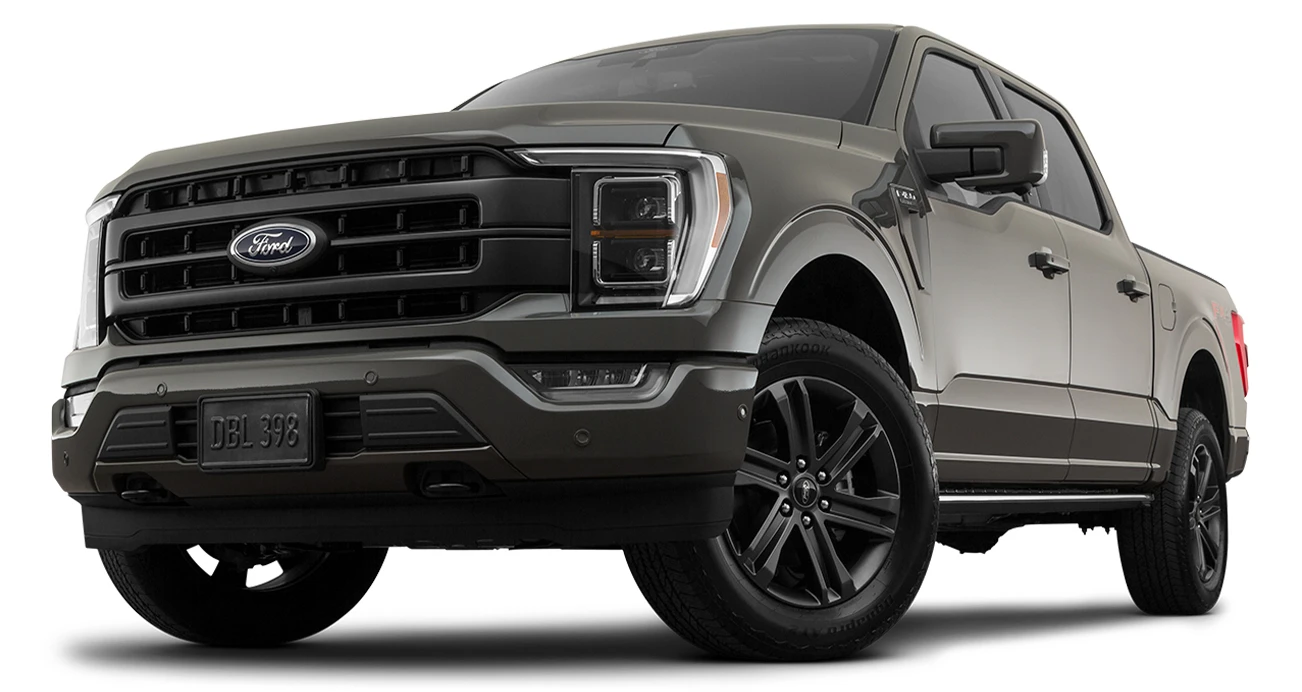
Ford’s full-size F-150 pickup offers a wide range of trim levels and configurations for nearly any job or lifestyle. 4WD is available, with multiple off-road packages depending on how much capability you need, up to the high-performance F-150 Raptor. Read more about the Ford F-150.
Ram 1500

The full-size Ram 1500 delivers a comfortable ride without sacrificing towing muscle. It’s available with rear-wheel drive or 4WD, with various off-road upgrades for added capability. Read more about the Ram 1500.
Toyota Tacoma
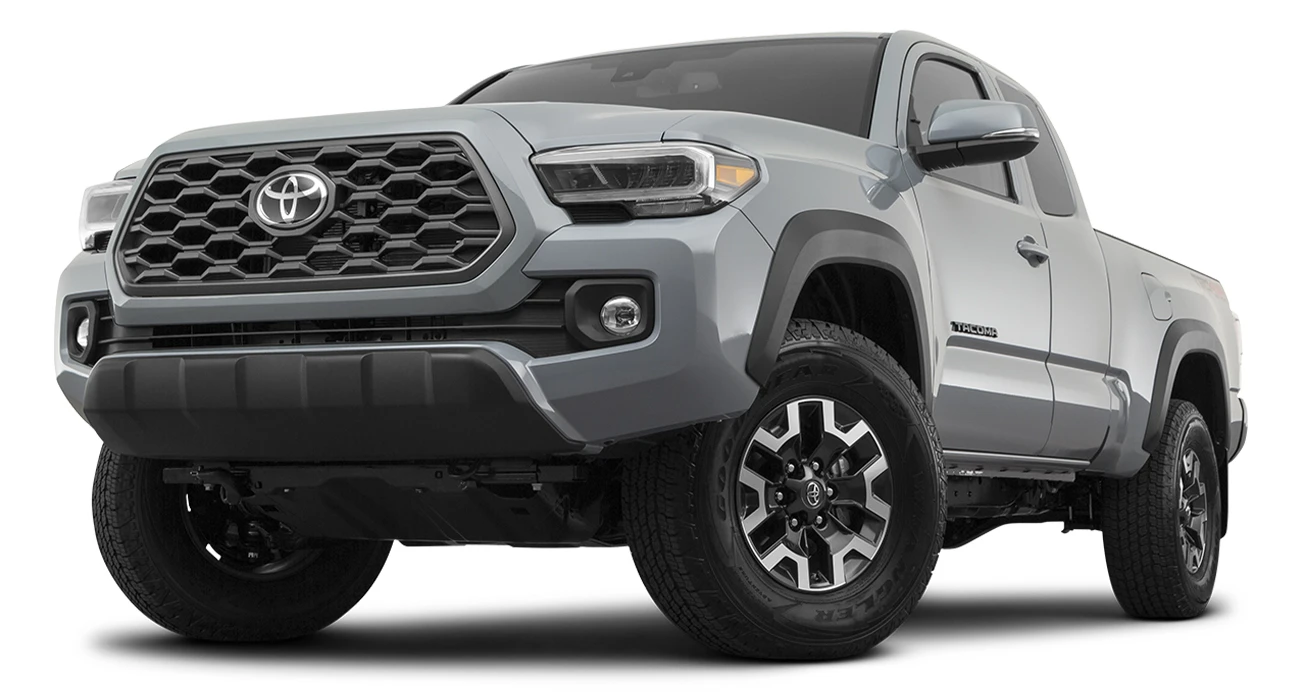
The Toyota Tacoma has defined the midsize truck market for years, earning a reputation for off-road capability through trims like the TRD Off-Road and TRD Pro. It’s available with rear-wheel drive or 4WD. Read more about the Toyota Tacoma.
FAQ
What does AWD mean?
AWD stands for all-wheel drive, the name for a system that allows a car, truck, or SUV to send power to all four wheels when it’s needed.
What is AWD?
AWD is a system that allows a vehicle to drive all four wheels to compensate for a loss of traction. It’s usually controlled automatically by the vehicle and can disconnect to improve fuel efficiency.
What does 4WD mean?
4WD stands for four-wheel drive, the name for a system that links a truck or SUV’s front and rear wheels using a transfer case.
What is 4WD?
4WD is a system that splits engine power between the front and rear wheels of a truck or SUV. It’s usually controlled by the driver and intended for low-speed and off-road use.
Is 4x4 the same as 4WD?
Yes, 4x4 (said, “four-by-four”) is another way to refer to a four-wheel drive vehicle.
Is AWD the same as 4WD?
No. Both AWD and 4WD send power from the engine to all four wheels, but they operate differently and are designed for different situations.
What is the difference between AWD and 4WD?
AWD is more useful on paved roads or for light off-roading, while 4WD has greater off-road capability but limited usability on paved roads.
Which is better, AWD or 4WD?
You should choose AWD if you primarily drive on paved roads and roads that are plowed in the winter. Choose 4WD if you do more serious off-roading, especially if you deal with mud or larger rocks, or need higher towing capacity.
Does AWD affect fuel economy?
Yes. According to the U.S. Department of Energy, AWD and 4WD systems typically reduce fuel economy by 1-2 mpg compared to two-wheel drive versions of the same vehicle. Part-time AWD systems minimize this impact by disconnecting when not needed. See fueleconomy.gov for more details.
Updated by Scott Wilson - CarMax Contributor