

Porsche 911

Looking for the model that best exemplifies what a sports car should be? Look no further than the Porsche 911. The 2025 Porsche 911 receives a significant refresh in styling that not only gives the sports car an updated look but also improves aerodynamics and engine cooling. The 2025 Porsche 911 comes in a wide range of coupes and convertibles, offering buyers varying levels of performance for street, track, and, yes, off-road. Standing out from the rest of the lineup is the new 911 GTS, the first hybrid version of this iconic sports car.
Explore the evolution of the Porsche 911
Get our expert take on used Porsche 911 models, or view year-by-year changes.
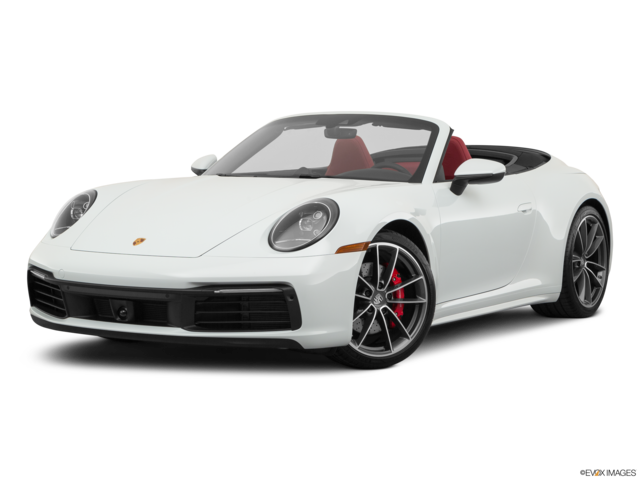
Eighth generation Porsche 911
The eighth-generation Porsche 911 (code-named 992) introduced an upgraded chassis and fresh styling for the brand, giving the sports car a wider stance while remaining true to its heritage with familiar design cues. Porsche starts each generation with just a few variants, filling out the lineup until the next generation arrives. When the current generation 911 arrived, it featured a 3.0-liter turbocharged flat-six engine putting out 379 horsepower, bumped up to 443 horses in the Carrera S. Rear-wheel drive was standard with an option of upgrading to the Carrera 4/4S all-wheel drive.
A few years after the 992 generation launched, Porsche added the special 911 Dakar edition, creating an off-road version of this high-performance machine. There are now more than a dozen variants available across the eighth-gen 911 model line, including the range-topping 911 Turbo S that boasts a top speed in excess of 200 mph.
Model highlights
Multiple high-performance versions
First hybrid 911 (added in 2025)
Dakar off-road variant (added in 2023)
New infotainment screen with Apple CarPlay® (Android Auto™ added in 2022)
New digital instrument cluster (added in 2025)
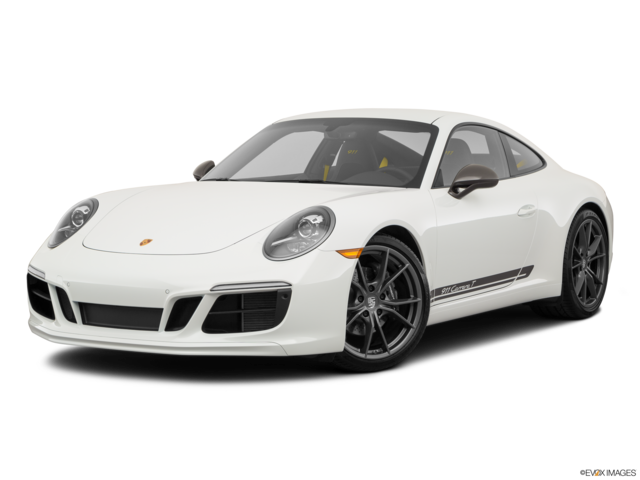
Seventh generation Porsche 911
The seventh-generation 911 (code name 991) arrived with only subtle design changes, but the car was longer and wider, with a longer wheelbase than its predecessor. The rear seats had a bit more legroom but were still cramped for anyone larger than a small child.
Performance improved over the sixth-generation 911, as the updated Porsche was lighter while getting a more powerful engine. The first seventh-gen 911s to arrive were the Carrera and Carrera S coupes, as the rest of the lineup remained part of the previous generation while the company slowly rolled out new versions.
Power from the rear-mounted 3.4-liter six-cylinder engine was up to 350 horsepower, with 50 more horses in the Carrera S’s 3.8-liter motor. In 2017, Porsche introduced a new, more powerful turbocharged engine in these base-level trims—the first time a turbo engine was put in an entry-level 911.
Model highlights
First turbo engine in a base trim (added in 2017)
New electric-assisted steering
Seven-speed manual gearbox available
Updated infotainment with Apple CarPlay® (added in 2017)
GT3, Turbo, and Turbo S (added in 2014)
Changes by year
Latest generation from 2020 - present
2025 Porsche 911
Highlights
911 Carrera GTS gets new hybrid powertrain
Digital gauge cluster standard
Learn more
2024 Porsche 911
2023 Porsche 911
Highlights
911 Carrera T and GT3 RS added
Limited-edition 911 Sport Classic and Dakar trims offered
Learn more
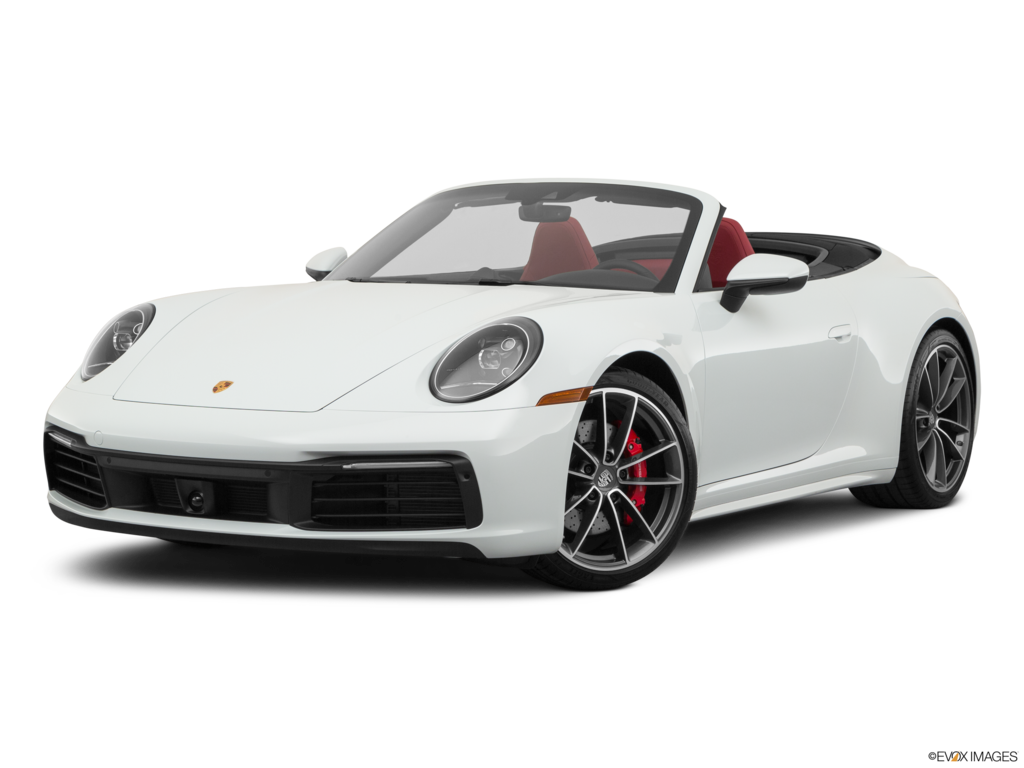
2022 Porsche 911
Highlights
911 GT3 and Carrera GTS return
Android Auto™ added to infotainment system
Remote self-parking offered on automatic-equipped variants
Learn more
2021 Porsche 911
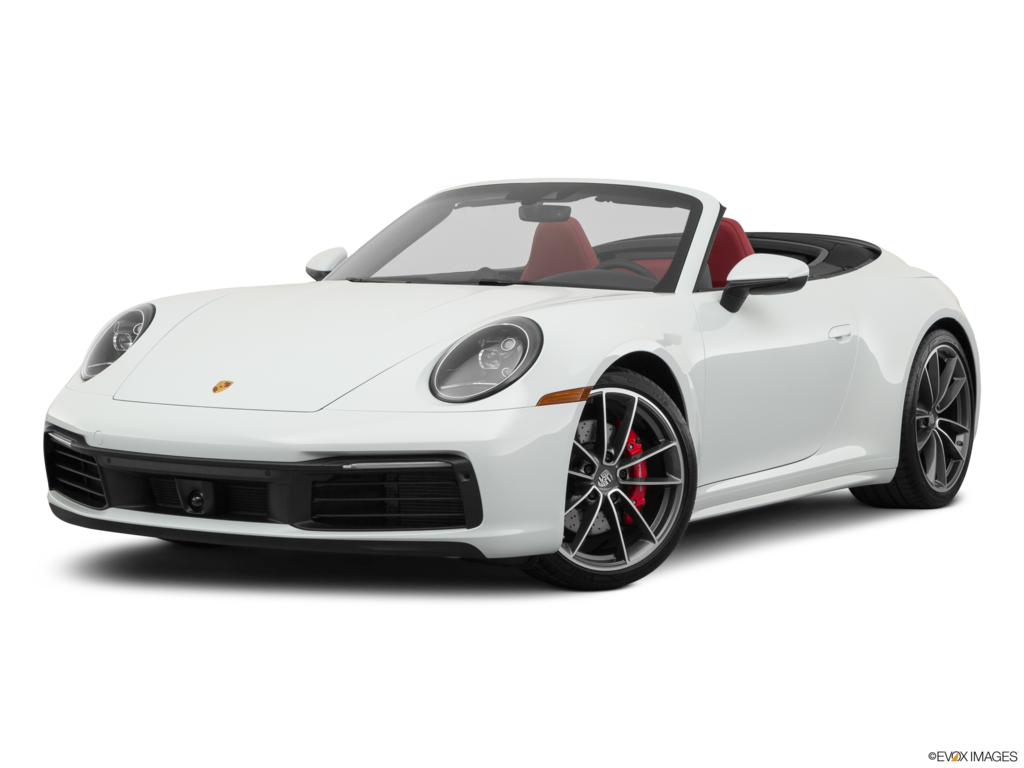
2020 Porsche 911
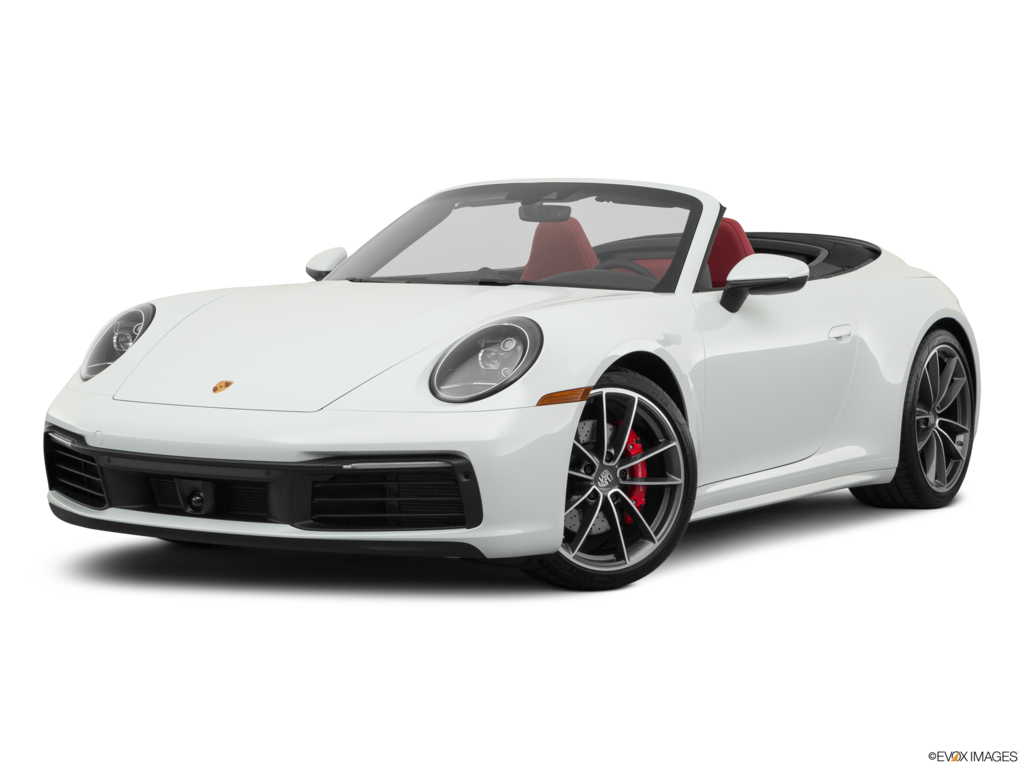
Previous generation from 2012 - 2019
2019 Porsche 911
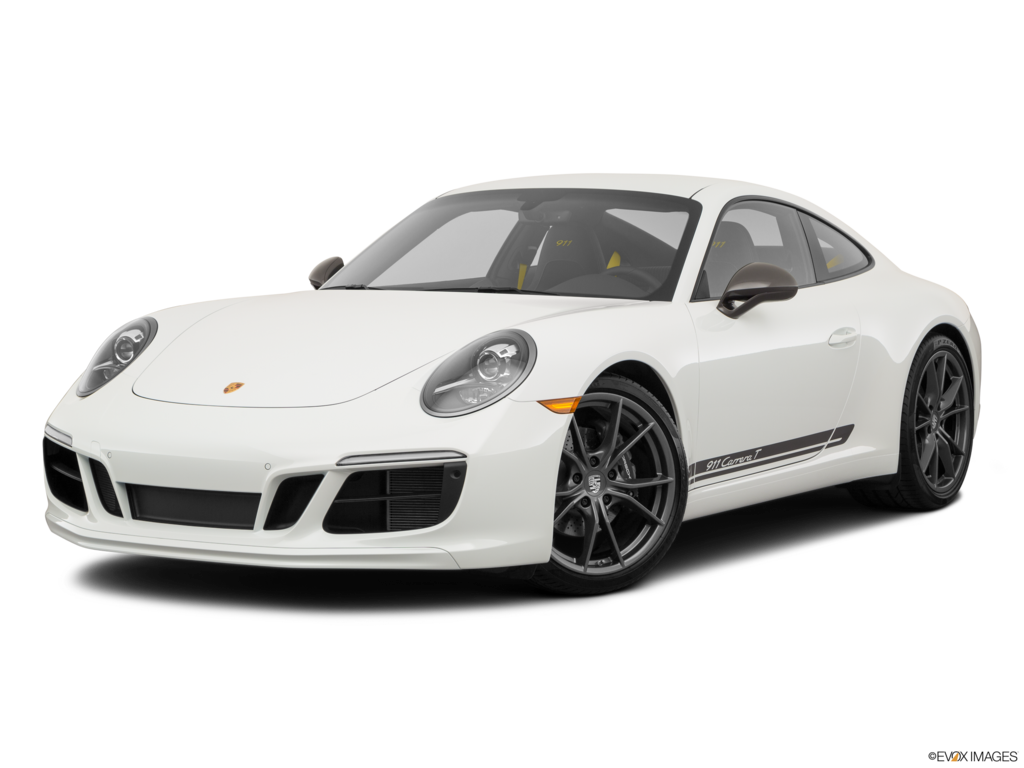
2018 Porsche 911
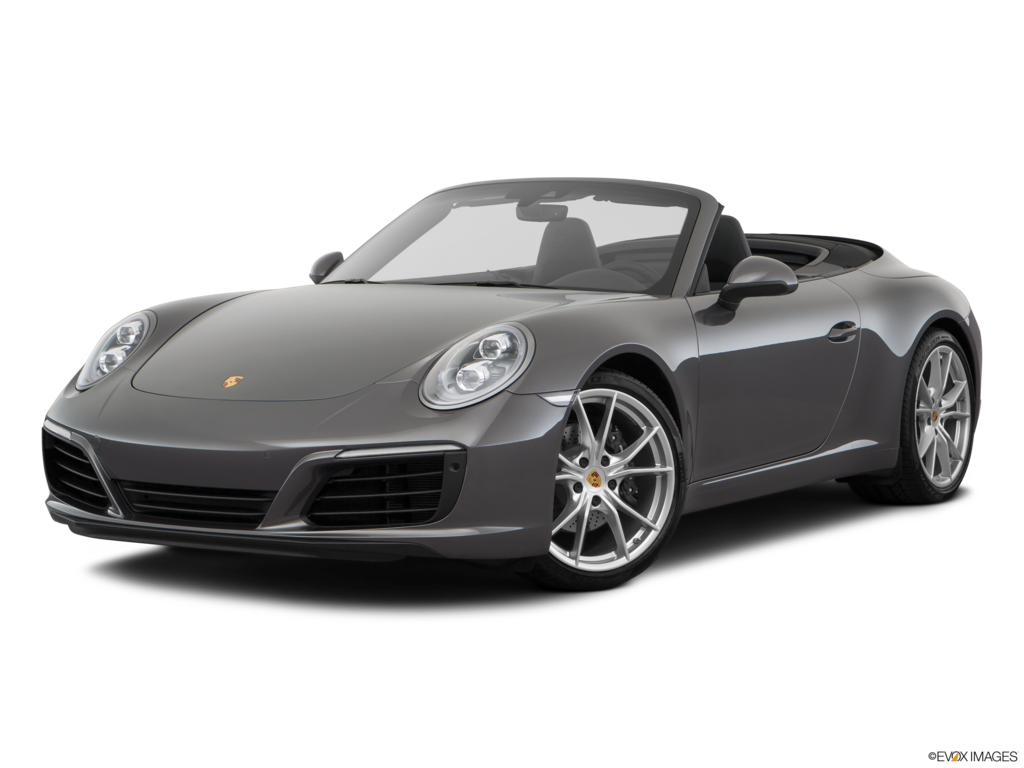
2017 Porsche 911
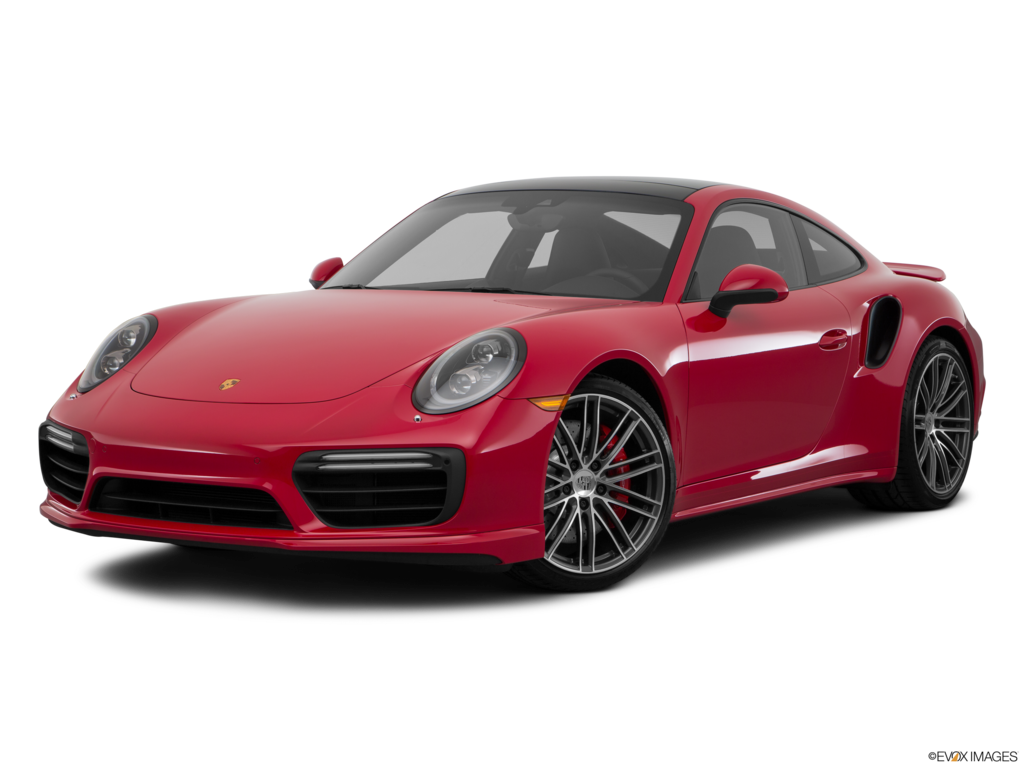
Highlights
New turbocharged engines across the lineup
More power for 911 Turbo and Turbo S
Upgraded infotainment with Apple CarPlay®
Learn more
2016 Porsche 911
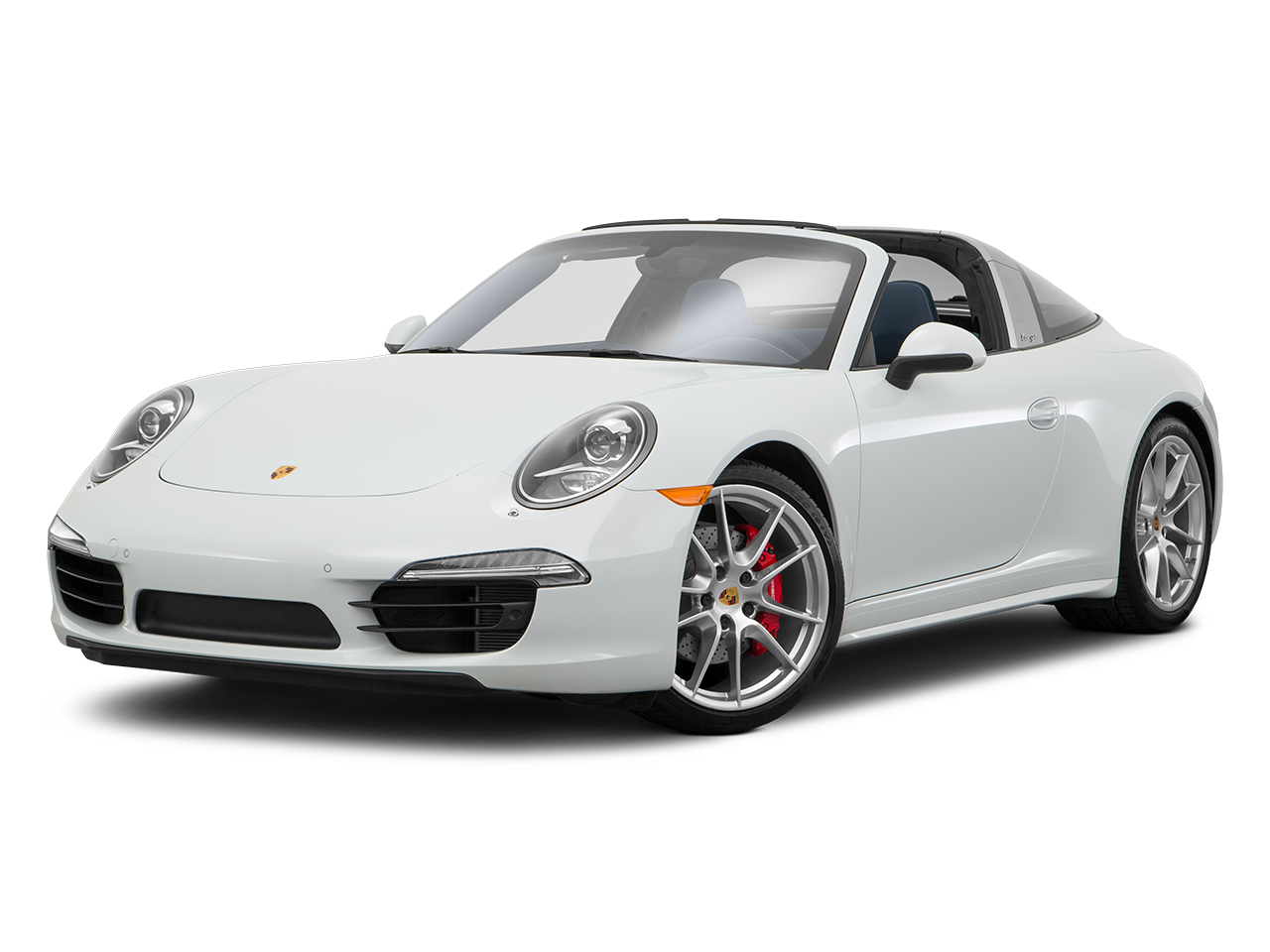
2015 Porsche 911
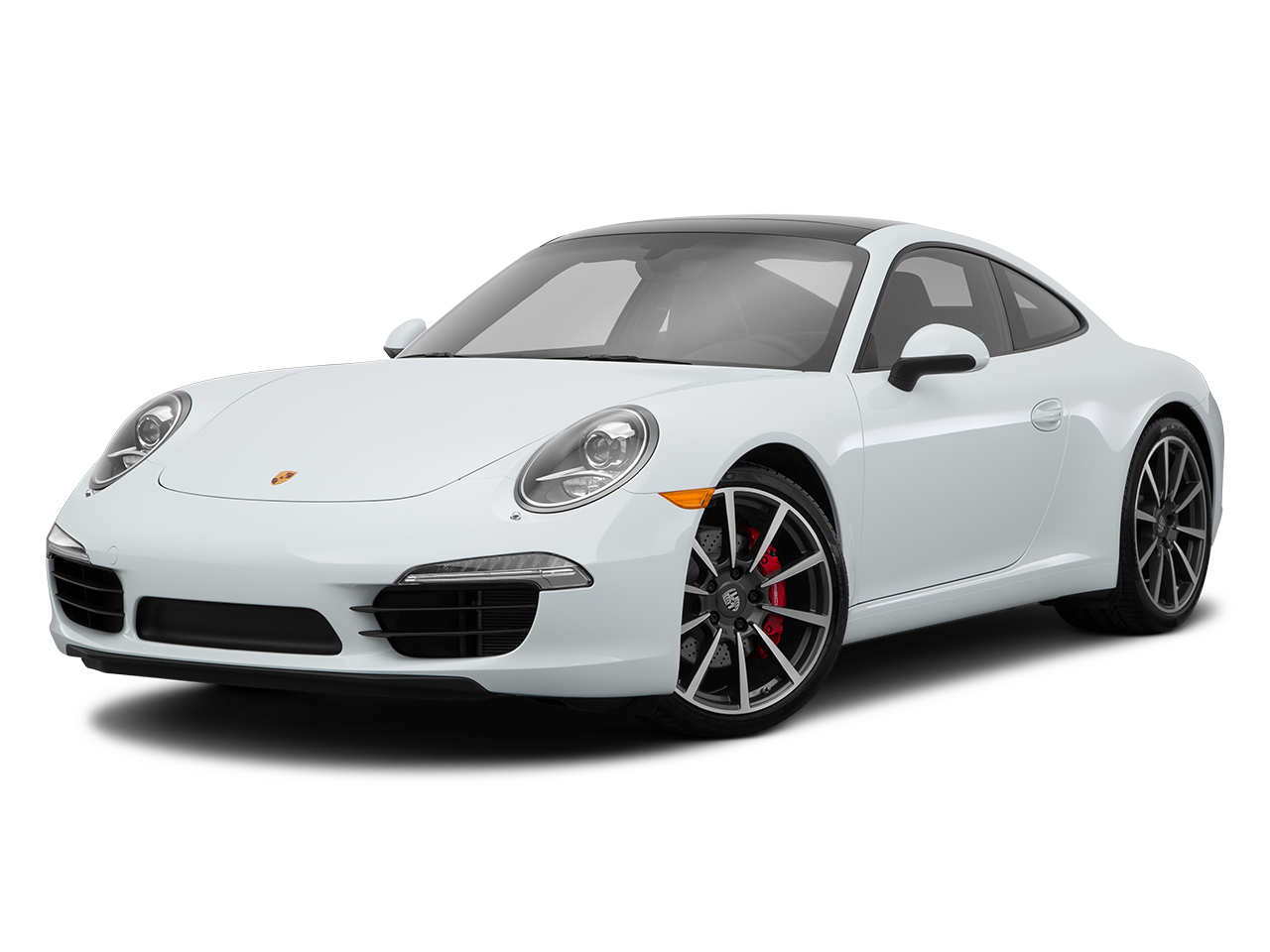
2014 Porsche 911
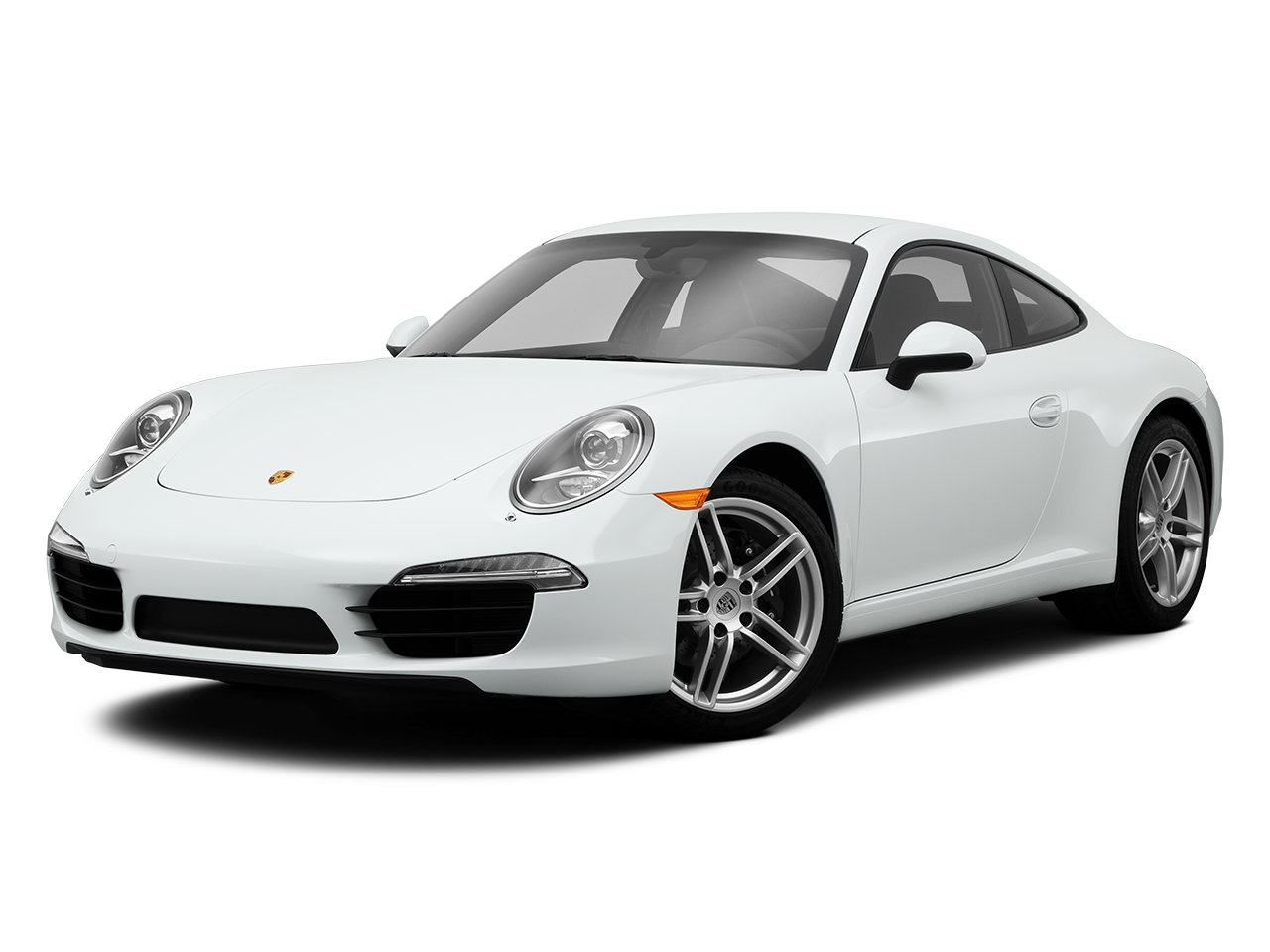
Highlights
911 Turbo, Turbo S, and GT3 added to the lineup
911 Targa and Turbo Convertible added midyear
New 50th anniversary edition available
Learn more
2013 Porsche 911
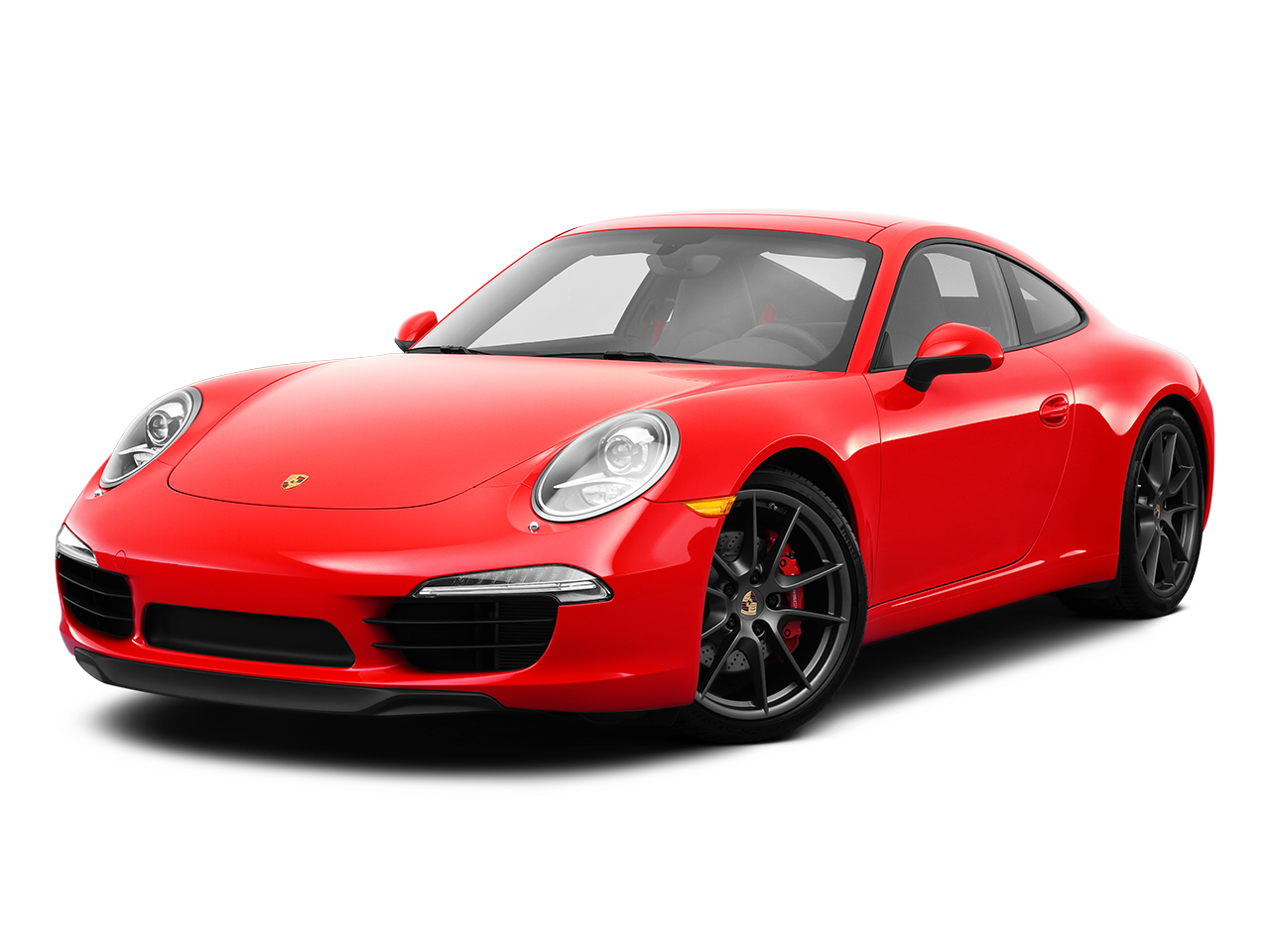
Highlights
All-wheel drive available
Most versions (except Turbo) join current generation
Learn more
2012 Porsche 911
Highlights
All-new generation debuts with 911 Carrera and Carrera S
Rest of the lineup continues as previous generation
Learn more
Looking for 2013 models or older?
CarMax only sells 2014 models and newer. But no matter the year, we'll happily buy your car.
Perry Stern has been writing about cars for almost 30 years and has been an enthusiast for much longer than that. Contributing to multiple automotive publications, Perry drives almost every new car on the market, ranging from base-level Kias to exotic high-performance Lamborghinis. But his favorite is still the 2006 Mazda Miata parked in his garage.
We hope you found this information helpful. This content is intended to inform and is not meant to provide legal, financial or investment advice. We make every effort to provide accurate information, but please verify before transacting and consider talking to a qualified professional about your unique circumstances.
Statements of fuel economy or EV range are based on EPA and other third-party estimates for vehicles when new. Fuel economy and EV range will degrade with time and vary based on age, driving conditions, vehicle history, and other conditions. See fueleconomy.gov for more info.
Editorial content contained on this page comes from Edmunds.com, Inc., a subsidiary of CarMax Enterprise Service, LLC, and information related to featured vehicles comes from third-party sources, including manufacturer information. Product and company names may be trademarks or registered trademarks of third-party entities. Use of them does not imply any affiliation with or endorsement by these entities. By clicking on any video links, you will be taken to a third-party site maintained by YouTube, Inc.