
2017 Toyota 4Runner review
Toyota 4Runner highlights
Customer rating
Pros
- Serious off-road capability, comparable to a Jeep Wrangler
- Different trim levels offer varying levels of off-road capability
- Excellent cargo capacity, plus optional slide-out access
Cons
- Body-on-frame design with solid rear axle yields a truck-like ride
- Large V6 engine uses more fuel than four-cylinder options
- Raised ride height can make cab access challenging
Mileage (EPA estimate)
17 city, 20 highway, 18 combined
Pricing for current inventory
From $29,998 - $33,998


On this page
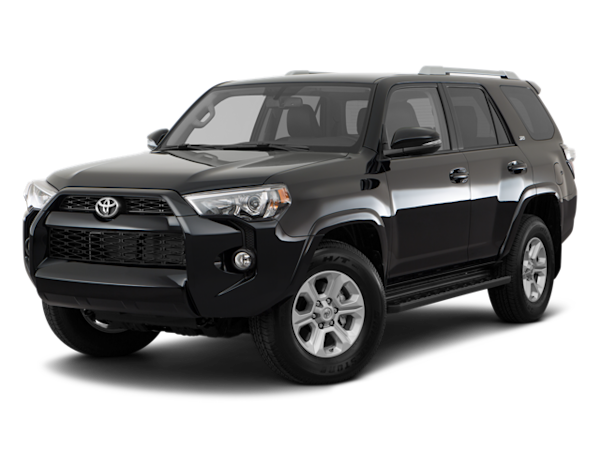
Current year
Trail and Trail Premium trims are renamed TRD Off-Road and TRD Off-Road Premium

Shop with your budget in mind
Getting pre-qualified lets you shop with personalized monthly payments, and it doesn't impact your credit score.
Is the 2017 Toyota 4Runner right for you?
The Toyota 4Runner is something of a dying breed: a truck-based SUV. Car-based crossovers like the Toyota RAV4, Kia Sorento, and Ford Explorer are all the rage these days, but there's still a time and a place for an SUV like the 4Runner. The 4Runner, when properly equipped, is great for getting off the beaten path, it comes prewired for four-pin and seven-pin connections, making towing a snap. But there are trade-offs for all that practicality, including on-the-road comfort and fuel economy.
What the 2017 Toyota 4Runner does best:
Storage: Big, boxy storage area for your gear Towing: Capable of towing small trailers when properly equipped Off-road-ready: Great for getting off the beaten path
When to consider other vehicles:
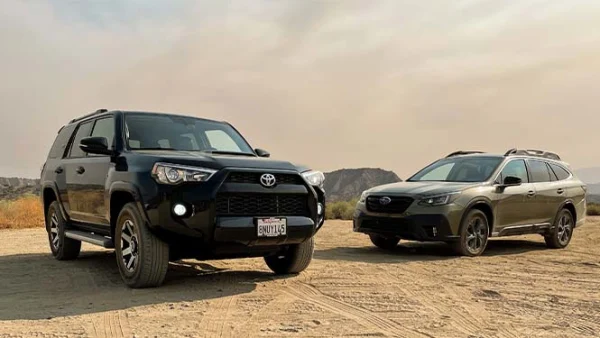
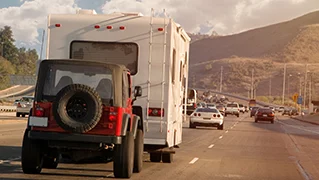
If on-road comfort is more important than off-road prowess, consider the Kia Telluride If you want even more off-road capability, consider the Jeep Wrangler If you'll do more car camping than off-roading, consider the Subaru Outback
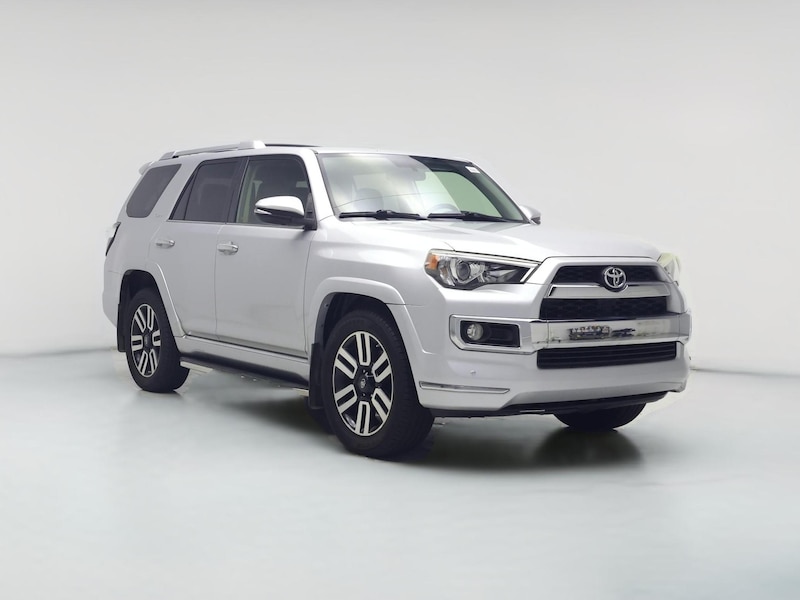
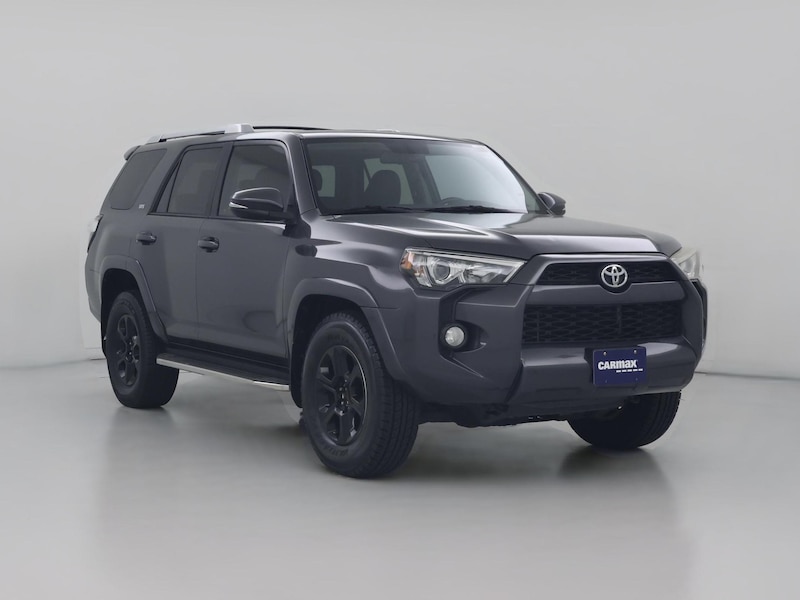
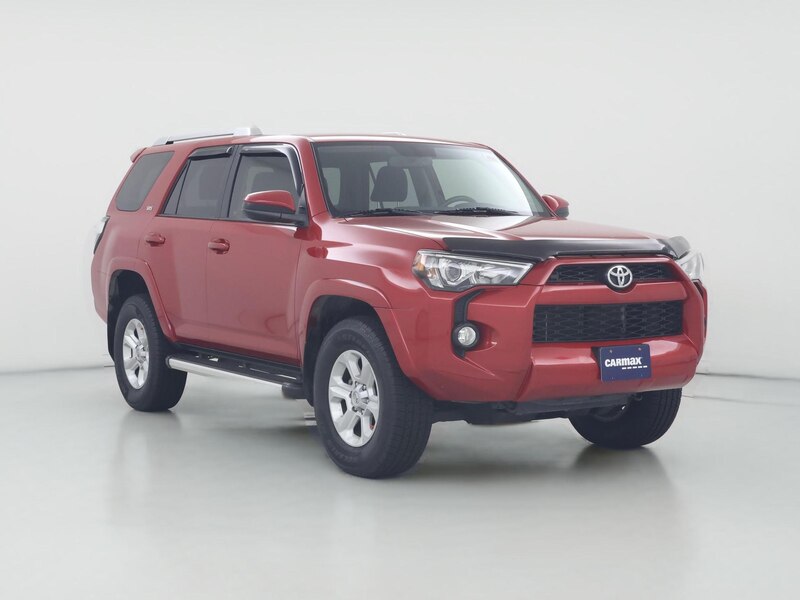
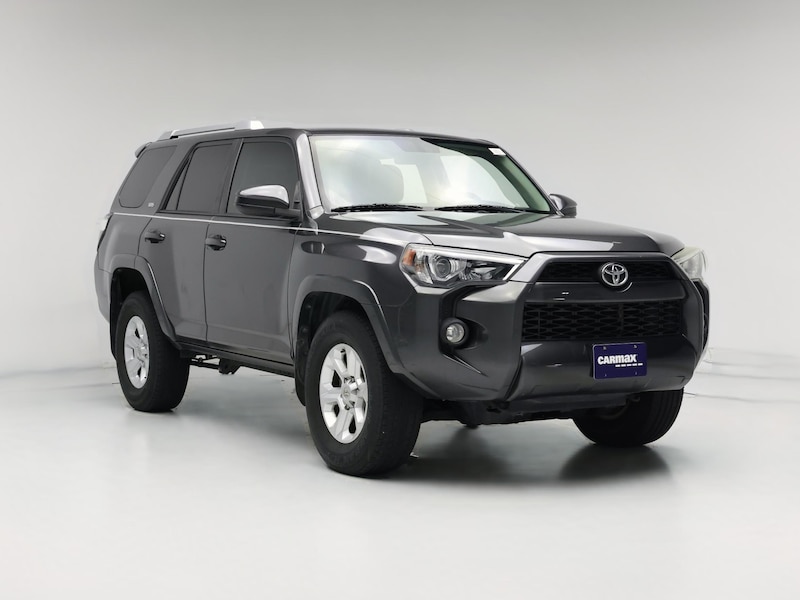
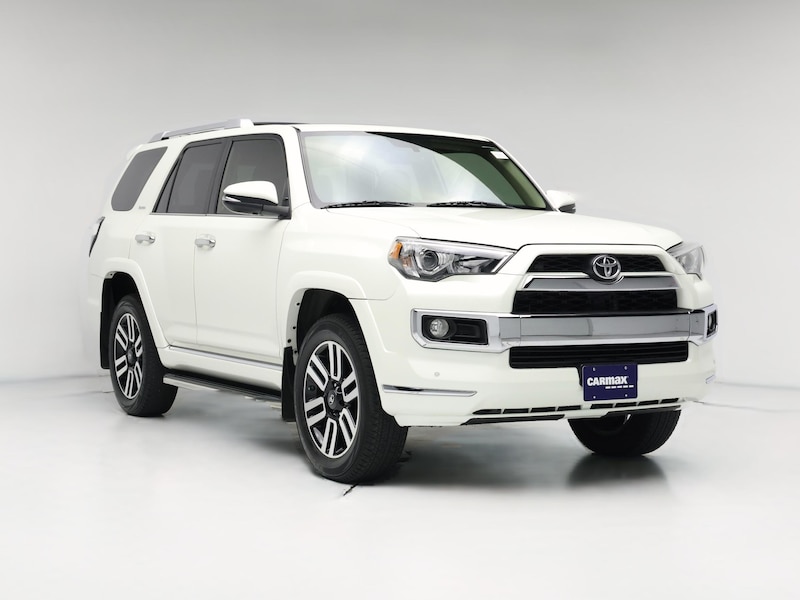
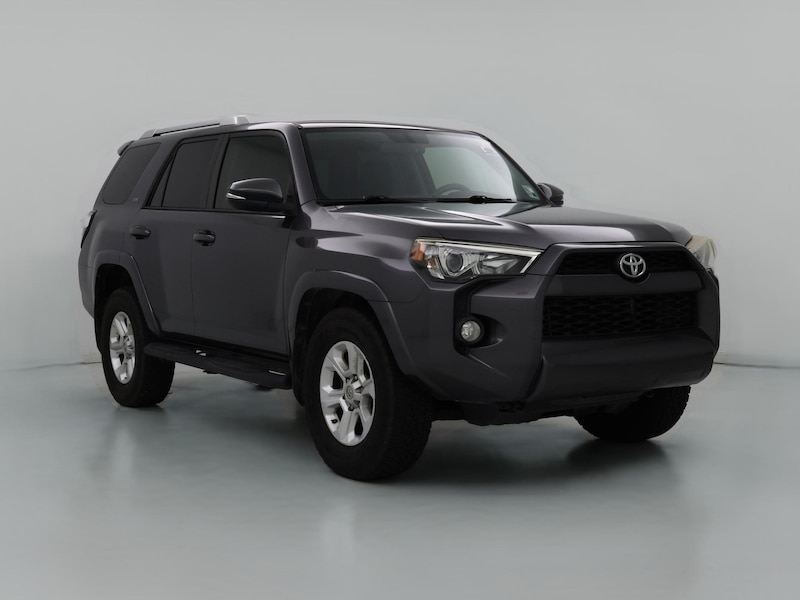
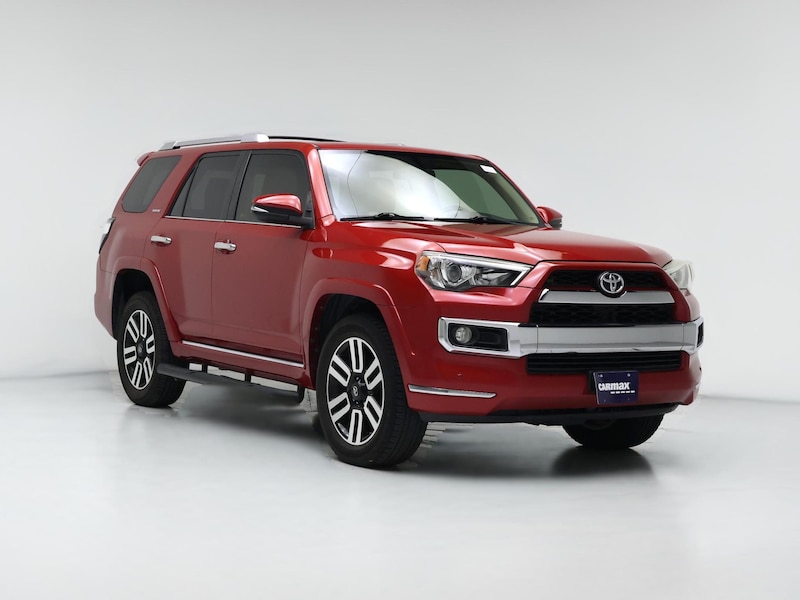
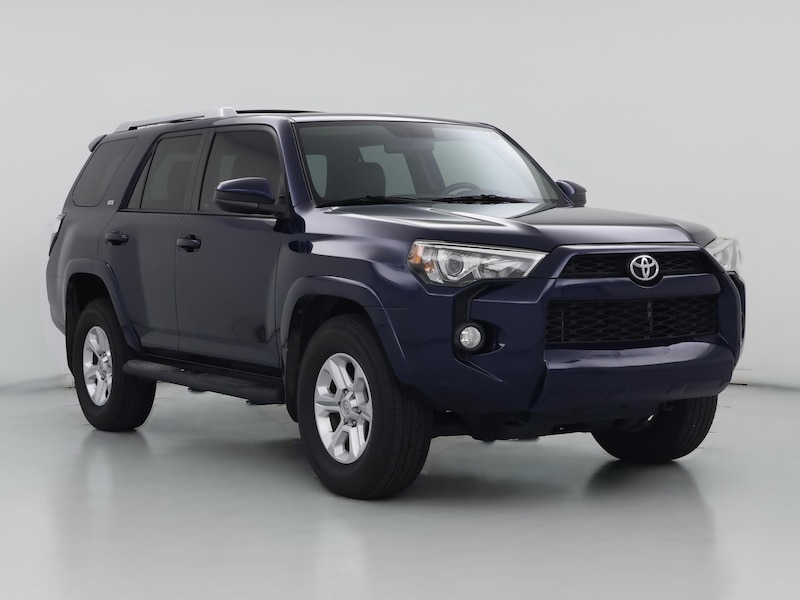
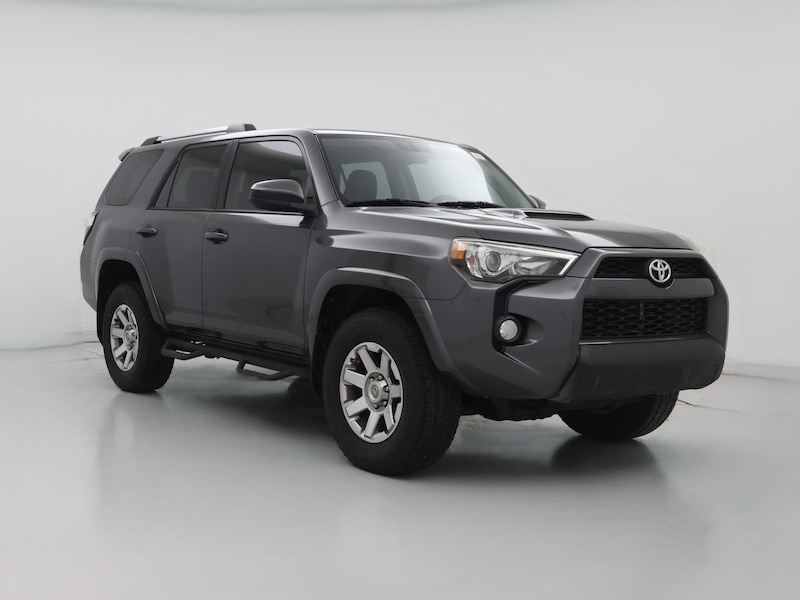
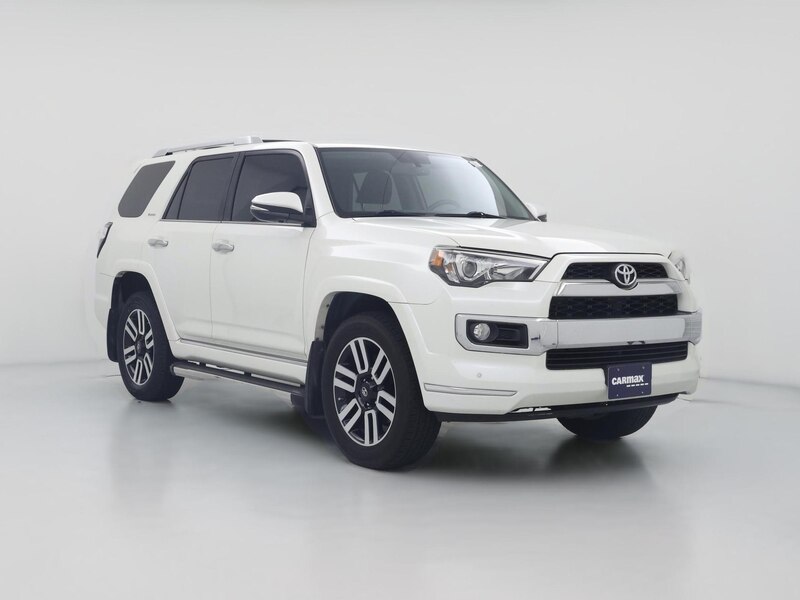
Toyota 4Runner photos
2017 Toyota 4Runner Review:
The Toyota 4Runner is a truck-based SUV with seating for five that's most at home off the beaten path. The 4Runner, like the Chevy Tahoe and Ford Expedition, is more focused on capability and less focused on comfort. Toyota last redesigned the 4Runner in 2010, which is a very long time in vehicle terms. There aren't any significant changes for 2017, save for the renaming of a couple of trims.
Toyota heavily refreshed the 4Runner in 2020, adding a more modern infotainment system and making many desirable driver aids standard. But older 4Runners feel positively ancient in comparison. For some, that might be part of the old-school charm. But if you're interested in a modern SUV for a comfy commute, you should look elsewhere.
What tech does the 2017 Toyota 4Runner have?
Tech highlights:
+ Infotainment system is functional and easy to use
- No Apple CarPlay® or Android Auto™
- Lacking many common driver aids
Connectivity
Apple CarPlay® and Android Auto™ don't become standard features until 2020 in a big refresh for the 4Runner. Bluetooth® connectivity is standard and the available JBL® audio system is a nice upgrade over the standard system, but otherwise it's pretty basic by modern standards.
Infotainment
Toyota will add an eight-inch touchscreen in 2020, but for now you're stuck with a functional but not flashy infotainment system. The good news is the 4Runner includes large knobs and buttons for volume and climate. The bad news is that the tech felt dated even when this truck was new.
Driver-Assist Tech
The 4Runner is missing a lot of helpful driver aids, like adaptive cruise control, which automatically adjusts speed to match traffic ahead, and forward collision mitigation (warning in case of a forward collision). These will come in 2020, but for now the 4Runner leaves a lot to be desired. This is another example of 2020's big improvements; previous 4Runners didn't have any of these features available at all, but they became standard in 2020.
How comfortable is the 2017 Toyota 4Runner?
Comfort highlights:
+ Front seats are wide and comfy
+ Climate control is easy to use
- Bouncy ride
Front Seating
The front seats are wide and well-cushioned for long-distance driving. Edmunds' editors had no trouble adjusting the front seats to find a comfortable position. Heated seats, along with power-adjustable passenger seats, are available on TRD Sport and higher trims, and top-of-the-line 4Runners get cooled seats, too.
Rear Seating
The 4Runner comes standard with two rows of seating but can be had with three rows on lower trim vehicles. The second-row seats are comfortable and spacious, similar to those in the front row. That's impressive given that the seats can be folded flat. The available third-row seats, on the other hand, are not comfortable for adults and are best used in a pinch rather than for daily driving.
Ride Quality and Interior Noise
It's never clearer that the 4Runner is a truck than it is when you take it on a highway. The ride is not as smooth or polished as a modern crossover SUV, and it bounces around on crummy pavement. If you're used to the ride on a pickup truck, this might not bother you. If you aren't, definitely take the 4Runner for a long test drive before making a decision. The 4Runner does a decent job of blocking out road noise, but its boxy shape means you'll hear a lot of wind noise when going highway speeds.
Does the 2017 Toyota 4Runner have good storage?
Storage highlights:
+ Lots of cargo space
+ Cargo area is easy to use
- Not much space for small-item storage
Cargo
Two-row 4Runners have a massive 47.2 cubic feet of storage; for reference a standard grocery bag is approximately one cubic foot. That expands to 89.7 cubic feet if you fold down the second row. Better yet, the storage area is very easy to use thanks to the SUV's boxy shape. Getting in camping gear, suitcases, and more is very easy in the 4Runner. Some 4Runners are equipped with a slide-out cargo tray. It cuts down on cargo space by about a cubic foot, but it makes accessing items in the back easier and can be used as a table as well.
Storage
There's not a ton of space for storing small items in the cabin. Your cellphone will likely end up in a cupholder if it's plugged in; otherwise, the bin between the front seats has plenty of room for phones, keys, etc. The door pockets can hold a standard (or small by today's standards) water bottle and some other small odds and ends.
How easy is the 2017 Toyota 4Runner to use?
Ease of use highlights:
+ Second row has lots of room for car seats
+ Good visibility out the front
- It can be hard for shorter passengers to step up into the 4Runner
Entry, Exit, and Car Seats
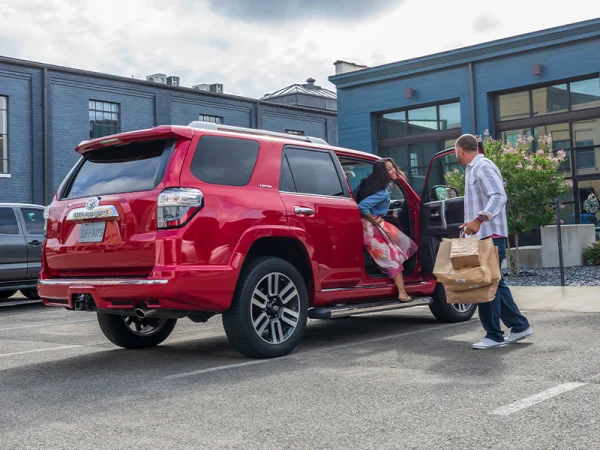
The 4Runner sits higher off the ground than most vehicles, which is great when you're getting off the beaten path. It's less great for shorter passengers, and especially kids, trying to scramble into the back of the vehicle. There's plenty of room in the second row for installing car seats, which is great, but shorter folks might have a hard time getting it in there in the first place.
Interior Layout and Visibility
It's easy to see out the front of the 4Runner despite the SUV's large hood. The backup camera is functional, but the image is a bit grainy. Overall, the controls are large and easy to use. Controls in the touchscreen are also clearly laid out, but you can do a lot of basic stuff using knobs and buttons, which is much easier when driving.
What’s the 2017 Toyota 4Runner like to drive?
Driving highlights:
+ Engine and transmission are smooth
+ Great for driving off-road
- Brake pedal feels squishy and unsatisfying
Driving
The 4Runner gets up to speed relatively quickly thanks to a powerful V6 engine. The transmission and engine work well together, making for smooth acceleration. Braking, on the other hand, is not the 4Runner's strong suit. You have to push the brake pedal farther than you'd expect to get the brakes to engage, and the SUV nosedives a lot in emergency stopping.
Towing
The 4Runner can, when properly equipped, tow 5,000 pounds.
That's more than enough for a small trailer or boat. It's also prewired for both four-pin and seven-pin trailer plugs, so it can support electric trailer braking if you buy a third-party controller.Fuel Economy/Electric Efficiency
Fuel economy is not good, but frankly you wouldn't expect it to be. This is a boxy truck with a V6. The transmission is an older five-speed, which also hurts fuel economy.
EPA Fuel Economy Estimates
Engine | Fuel Economy Estimate |
|---|---|
4.0-liter V6 (2WD) | 16 city / 19 highway / 17 combined |
4.0-liter V6 (4WD) | 16 city / 19 highway / 17 combined |
Shop with your budget in mind
Getting pre-qualified lets you shop with personalized monthly payments, and it doesn't impact your credit score.
Ratings & reliability
Customer ratings
4.8 out of 5
13 customer reviews| 5 Stars | 11 |
|---|---|
| 4 Stars | 2 |
| 3 Stars | 0 |
| 2 Stars | 0 |
| 1 Star | 0 |
RepairPal gave the Toyota 4Runner an overall reliability rating of 4 out of 5 stars, which RepairPal describes as Above Average. This rating ranks Toyota 4Runner 7th out of 32 among Midsize SUVs.
View RepairPal's full rating of the Toyota 4RunnerToyota 4Runner features and specs
Curious how Toyota 4Runner trims differ? Use our side-by-side vehicle comparison to see the differences and similarities
SR5 Premium 4D Sport Utility 2WD
Standard Features
- Heated Mirrors
- ABS Brakes
- Air Conditioning
- Cruise Control
- Front Seat Heaters
- Leatherette Seats
- Overhead Airbags
- Power Locks
- Power Mirrors
- Power Seat(s)
- Power Windows
- Rear Defroster
- Rear View Camera
- Side Airbags
- Traction Control
- Alloy Wheels
- Tow Hitch
- Automatic Transmission
- AM/FM Stereo
- Auxiliary Audio Input
- Bluetooth Technology
- CD Audio
- Entune
- Navigation System
- Satellite Radio Ready
- Fold-Away Third Row
- Remote Start
- Sunroof(s)
- Third Row Seat
- Full Roof Rack
- Running Boards
Drive Wheels
Rear Wheel Drive (2WD)
Engine size
4.0L
Horsepower
270
Torque (ft-lbs)
278
Engine type
Gas
Fuel capacity
23
Wheelbase
109.8"
Overall length
190.2"
Width
75.8"
Height
71.5"
Leg room
F 41.7"/R 32.9"
Head room
F 39.3"/R 38.6"
Front tires
P265/70SR17
Rear tires
P265/70SR17
Seating capacity
5
Max towing capacity
500/5000 lbs.
Transmission
Automatic
2017 Toyota 4Runner FAQ
- The 2017 Toyota 4Runner has a maximum towing capacity of 5000 pounds, when properly equipped. Various factors may impact towing capacity, including weight of passengers, cargo, and options/accessories.
- The 2017 Toyota 4Runner has received an average 4.9 out of 5 stars from our customers. If you're in the market for a 2017 Toyota 4Runner, check out reviews from customers just like you. 2017 Toyota 4Runner Reviews.
- The Toyota 4Runner received a rating of 4 out of 5 stars from RepairPal, which RepairPal describes as Above Average. This rating ranks the Toyota 4Runner as 7 out of 32 among Midsize SUV
- Here are the pros and cons of the 2017 Toyota 4Runner: Pros - Reliability - Cargo Space - Value Cons - Fuel Economy - Technology and Entertainment - Braking
- Here is what's new for the 2017 Toyota 4Runner:
- TRD Off Road
- TRD Off Road Premium
- Sunroof(s)
- Cloth Seats
- The 2017 Toyota 4Runner offers the following fuel efficiency options: • Gas: 17 city / 21 highway MPG (Limited trim) • Gas: 17 city / 21 highway MPG (SR5 trim) • Gas: 17 city / 21 highway MPG (SR5 Premium trim) • Gas: 17 city / 20 highway MPG (TRD Off Road trim) • Gas: 17 city / 20 highway MPG (TRD Off Road Premium trim) • Gas: 17 city / 20 highway MPG (TRD Pro trim) Actual mileage may vary based on driving conditions, vehicle condition, and driving habits.
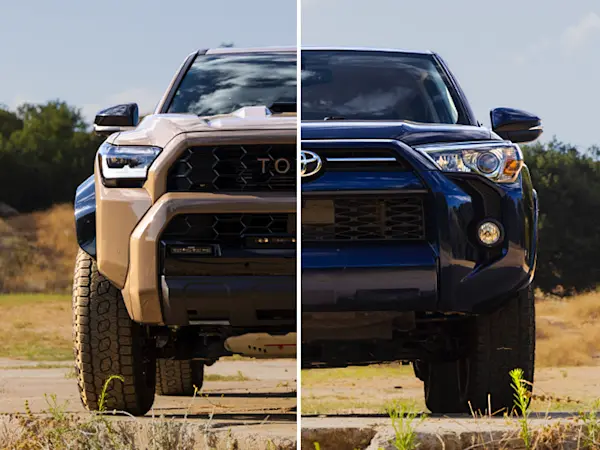




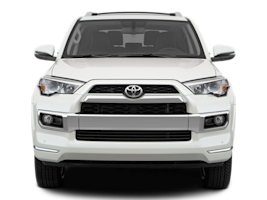
All Toyota 4Runner years
Not sure what year to select? Learn about each Toyota 4Runner generation from 2013 to 2026
What is new for the 2017 Toyota 4Runner?
- The 4Runner is available in a variety of new trims, including the TRD Off Road and TRD Off Road Premium.
- The Trail and Trail Premium trims have been discontinued for 2017.
- Sunroof(s) and Cloth Seats features are now available as options on select trims.
Research other vehicles
- toyota 4runner used car value
- 1996 toyota 4runner used car value
- 2001 toyota 4runner used car value
- 2002 toyota 4runner used car value
- 2003 toyota 4runner used car value
- 2004 toyota 4runner used car value
- 2005 toyota 4runner used car value
- 2006 toyota 4runner used car value
- 2007 toyota 4runner used car value
- 2008 toyota 4runner used car value
- 2009 toyota 4runner used car value
- 2010 toyota 4runner used car value
- 2011 toyota 4runner used car value
- 2012 toyota 4runner used car value
- 2013 toyota 4runner used car value
- 2014 toyota 4runner used car value
- 2015 toyota 4runner used car value
- 2016 toyota 4runner used car value
- 2017 toyota 4runner used car value
- 2018 toyota 4runner used car value
- 2019 toyota 4runner used car value
- 2020 toyota 4runner used car value
- 2021 toyota 4runner used car value
- 2022 toyota 4runner used car value
- 2023 toyota 4runner used car value
- 2024 toyota 4runner used car value
- Used Toyota 4Runner near me for sale
- Used 2017 Toyota 4Runner near me for sale
- Used 2023 Toyota 4Runner 40th Anniversary near me for sale
- Used 2021 Toyota 4Runner Limited near me for sale
- Used 2023 Toyota 4Runner Limited near me for sale
- Used 2024 Toyota 4Runner Limited near me for sale
- Used Toyota 4Runner with Memory Seat(s) near me for sale
- Used 2013 Toyota 4Runner Trail near me for sale
- 2022 Chevrolet Trax review
- All things EV
- 2021 Ford EcoSport review
- 2013 Ford Edge review
- 2020 Ford Fusion review
- 2019 GMC Canyon review
- 2021 GMC Canyon review
- 2014 Honda Accord review
- 2025 Honda Ridgeline review
- Used Toyota buying guide
- Toyota 4Runner
- 2013 Toyota 4Runner review
- 2014 Toyota 4Runner review
- 2015 Toyota 4Runner review
- 2016 Toyota 4Runner review
- 2018 Toyota 4Runner review
- 2019 Toyota 4Runner review
- 2020 Toyota 4Runner review
- 2021 Toyota 4Runner review
- 2022 Toyota 4Runner review
- 2023 Toyota 4Runner review
- 2024 Toyota 4Runner review
We hope you found this information helpful. This content is intended to inform and is not meant to provide legal, financial or investment advice. We make every effort to provide accurate information, but please verify before transacting and consider talking to a qualified professional about your unique circumstances.
Statements of fuel economy or EV range are based on EPA and other third-party estimates for vehicles when new. Fuel economy and EV range will degrade with time and vary based on age, driving conditions, vehicle history, and other conditions. See fueleconomy.gov for more info.
Editorial content contained on this page comes from Edmunds.com, Inc., a subsidiary of CarMax Enterprise Service, LLC, and information related to featured vehicles comes from third-party sources, including manufacturer information. Product and company names may be trademarks or registered trademarks of third-party entities. Use of them does not imply any affiliation with or endorsement by these entities. By clicking on any video links, you will be taken to a third-party site maintained by YouTube, Inc.