
2016 Toyota Prius review
Toyota Prius highlights
Customer rating
Pros
- Quick and easy handling
- Wealth of storage and cargo space
- Hybrid powertrain sips fuel
Cons
- Reduced backseat legroom
- Poor instrument panel visibility
- New exterior styling may be off-putting
Mileage (EPA estimate)
54 city, 50 highway, 52 combined
Pricing for current inventory
From $15,998 - $24,998


Shop with your budget in mind
Getting pre-qualified lets you shop with personalized monthly payments, and it doesn't impact your credit score.
A hybrid icon.
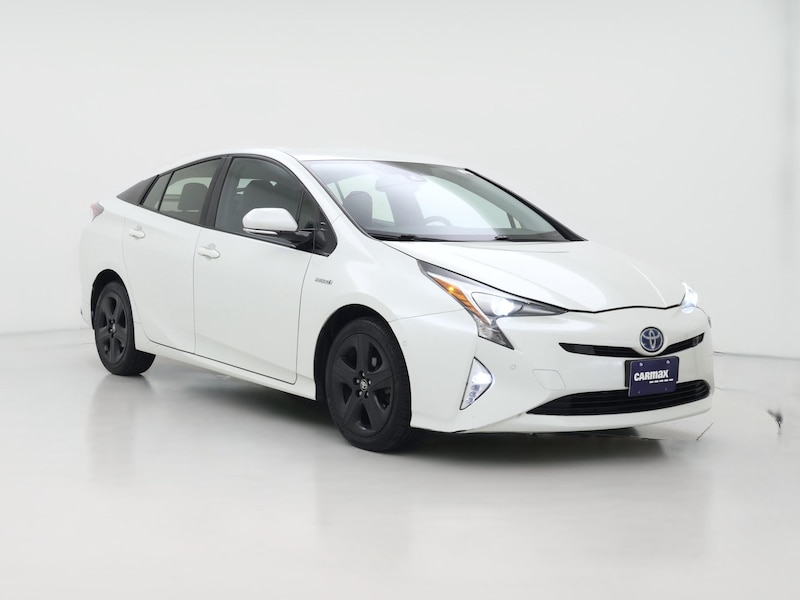
The 2016 Toyota Prius hybrid redefined an automotive giant. Formerly known mainly for its eco cred, the redesigned 2016 Toyota Prius ushered in an era where economy meets driving dynamics and passenger comfort. The interior is highlighted by video-game-like displays and a supremely comfortable ride. New for the 2016 Toyota Prius is a lithium-ion battery in most models, replacing the heavier and less powerful nickel-metal-hydride batteries. Also new for this model year is a totally reworked exterior seemingly straight out of a contemporary art museum, covering the high-tech chassis underneath. This frame brings impressive steering feel and cornering ability, plus a smooth ride thanks to a new double-wishbone independent rear suspension. The 2016 Toyota Prius Eco model joins the lineup, adding even more freedom from the gas pump.
All Toyota Prius years
Not sure what year to select? Learn about each Toyota Prius generation from 2013 to 2026
What is new for the 2016 Toyota Prius?
- The Prius is available in a variety of new trims, including the Two Eco, Four Touring, and Three Touring.
- The One, Five, and Persona Series trims have been discontinued for 2016.
- Prius trims have been upgraded with Automated Cruise Control, Blind Spot Monitor, and Lane Departure Warning as standard equipment this year.
- Automated Parking, Heated Steering Wheel, Parking Sensors, and JBL Sound System features are now available as options on select trims.
2016 Toyota Prius trims
Curious how Toyota Prius trims differ? Use our side-by-side vehicle comparison to see the differences and similaritiesPrius One:
Includes nickel-metal hydride battery, LED running lights and taillights, 15-inch alloy wheels, heated exterior mirrors, Entune™ audio system, and more.
Prius Two:
Adds intermittent rear windshield wiper, driver-assistance features including blind-spot monitors, intelligent clearance sonar, parking assist, and more.
Prius Two Eco:
Removes some interior features, such as the cargo cover and seatback pockets, in order to reduce weight. Combined with the lithium-ion battery, the Prius Two Eco sheds weight for increased mpg.
Prius Three:
Unlocks smart key system, push-button start, Qi-compatible wireless smartphone charging, SofTex-trimmed steering wheel, white interior accents, and more.
Prius Three Touring:
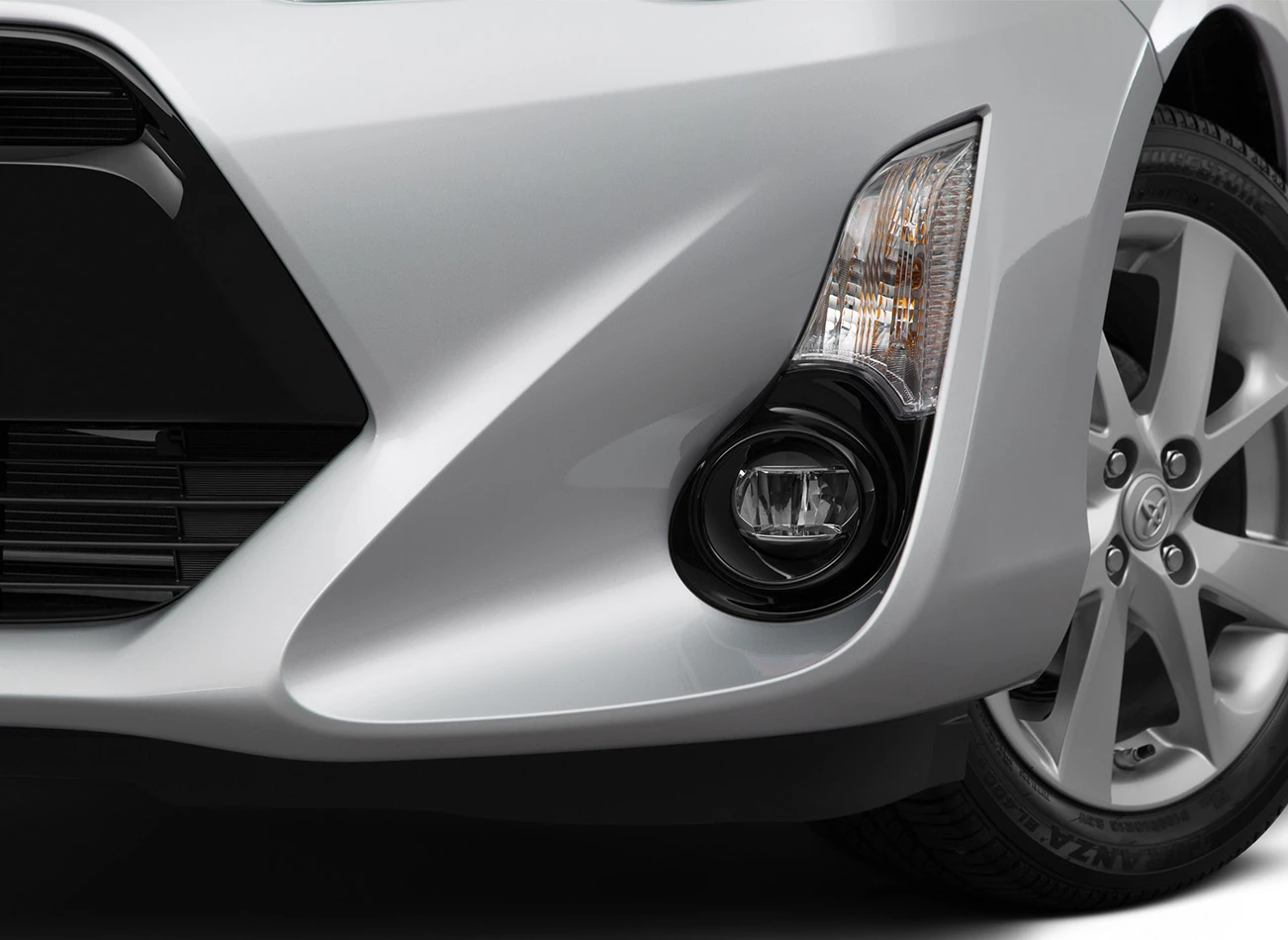
Adds integrated fog lights, LED accent lights, 17-inch alloy wheels, unique bumpers, Touring-specific suspension, SofTex-trimmed front seats, and a six-way adjustable driver's seat.
Prius Four:
Adds rain-sensing windshield wipers, SofTex-trimmed heated front seats, eight-way power driver's seat with power lumbar support, auto-dimming rearview mirror with HomeLink®, cargo area cover, and more.
Prius Four Touring:
Unlocks the complete suite of Toyota's driver-assistance features and a premium JBL® audio system.
5 reasons to buy the 2016 Toyota Prius
1. Impressive mpg

The Prius started the hybrid trend back in the late 1990s with impressive mpg, and it's only improved since then. The 2016 Toyota Prius hybrid powertrain gets an EPA-estimated 52 mpg combined.
If you're looking to make even fewer trips to the pump, the 2016 Toyota Prius Eco offers an EPA-estimated 56 mpg combined.2. High-tech interior
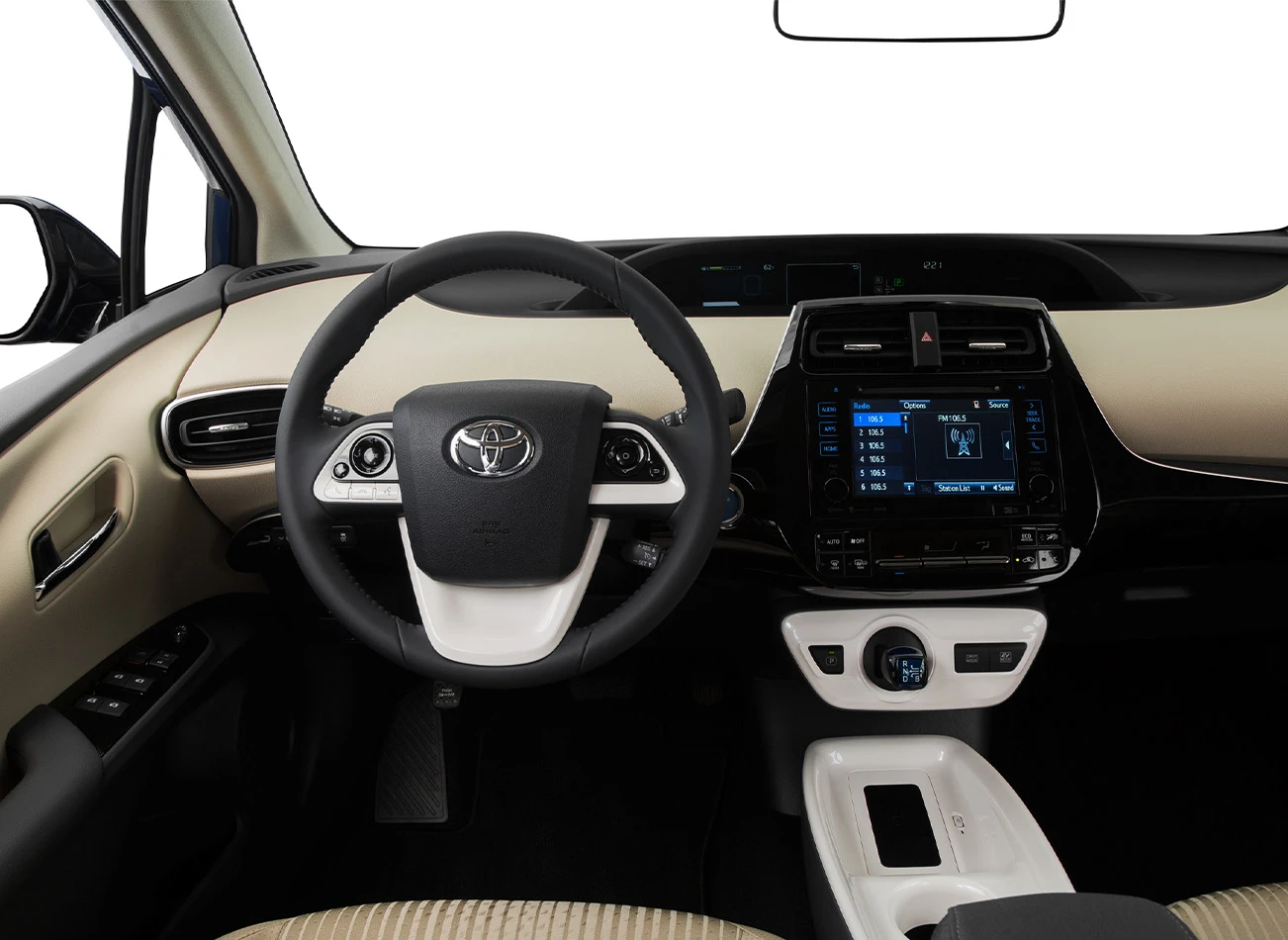
The 2016 Toyota Prius interior is cutting edge, with modern white highlights on the steering wheel, dash, and center console. The instrument cluster looks like it was pulled from a blockbuster sci-fi movie, and the two-tone dash design is snazzy. It's not style without substance, though—you're surrounded by technology, too. The Prius has a soothing cabin that makes every drive a pleasure.
3. Hatchback flexibility
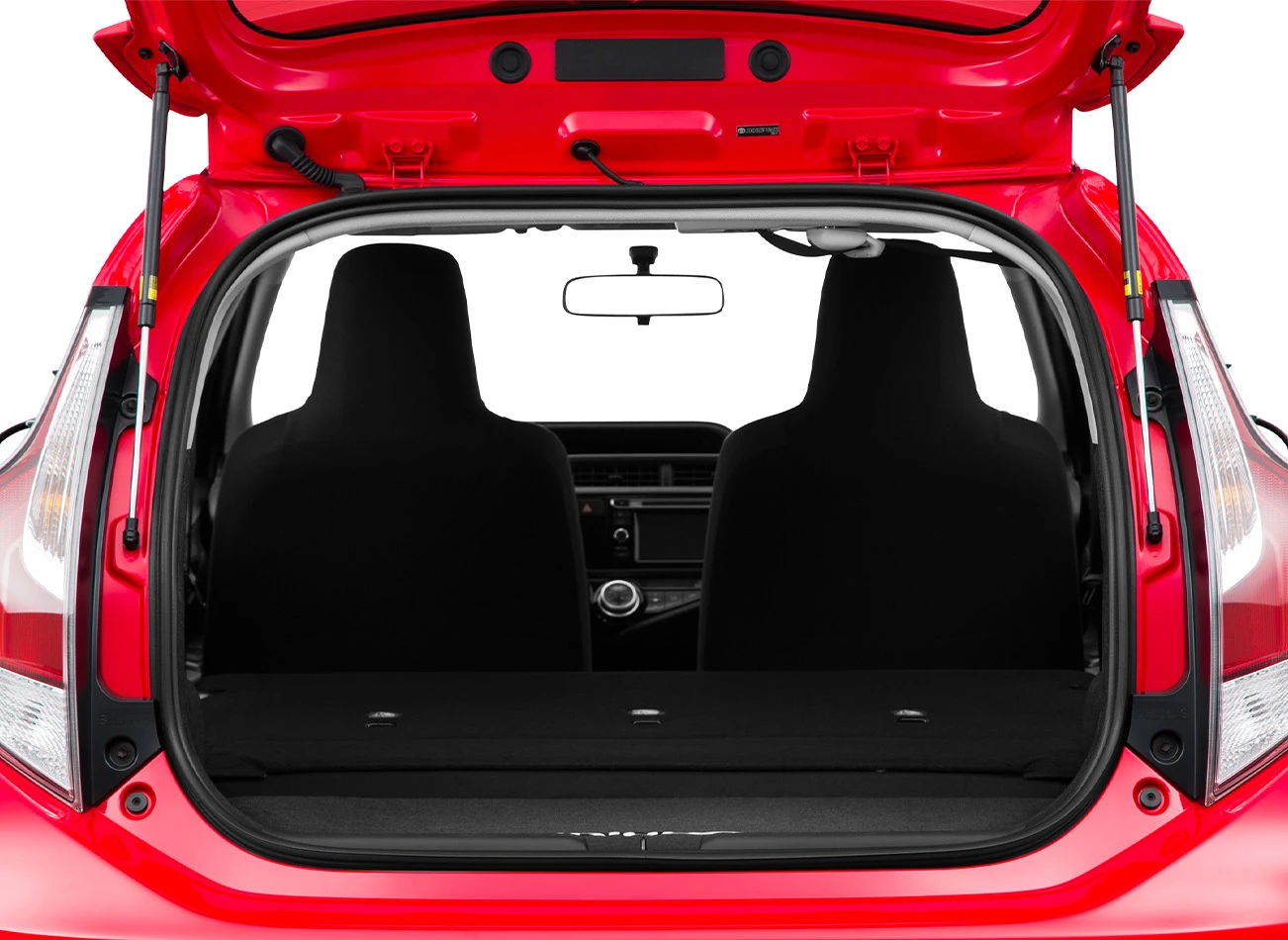
While the Prius is often considered a “small" car, the 2016 Toyota Prius interior offers 24.6 cu-ft of cargo space behind the rear seats. That's approximately double the size of the average compact car's trunk. Fold the rear seats down, and the Prius has a crossover-worthy 50.7 cu-ft. This gives you plenty of space for DIY supplies, luggage, or sports gear.
4. Easy handling
Parking downtown? Sharp steering in the Prius makes parallel parking a breeze. High-speed handling is equally capable on highways and off-ramps, thanks to the entirely new chassis and suspension design for 2016. This makes the 2016 Prius a great choice if you want to head out on a road trip or vacation.
5. Futuristic design
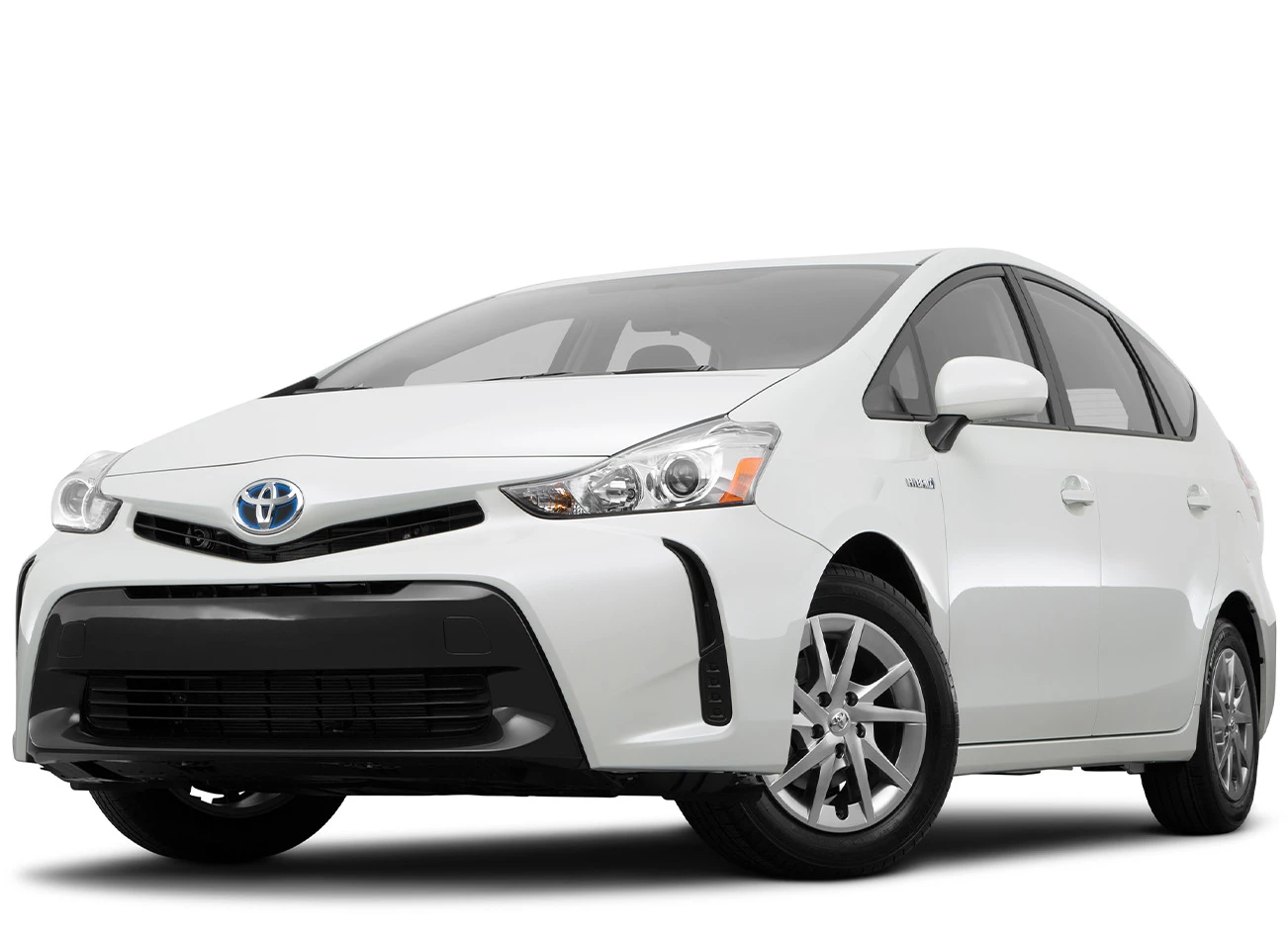
If you never want to lose your car in the parking lot again, consider the 2016 Toyota Prius—it looks like nothing else on the road. Wildly stylized elements like the headlights and taillights show no restraint by designers. Drive daringly with this avant-garde art piece.
Similar vehicles
If you're interested in the 2016 Toyota Prius, you should also check out these similar vehicles from Previous generation years.
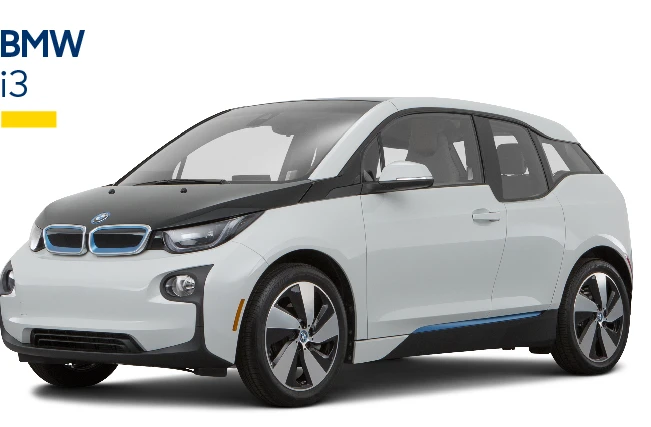
The BMW i3 REx is a unique take on the hybrid drivetrain and a wonderfully unique car overall. Spanning a single generation (2014-2021), the out-of-this-world exterior covers a massively upscale interior with a real wood dash, and leather and wool surfaces. To prevent the potential range anxiety of EV ownership, BMW added a 0.6L two-cylinder engine acting as a generator to recharge the batteries that drive the electric motor. If you're looking for a hybrid to ease the transition to EV ownership, the BMW i3 REx is your ride.
The 2018-2021 BMW i3s REx has these standard features:
Upgraded bumpers, gloss-black grille, and accents
Lowered sport suspension
10.3-inch touchscreen with Apple CarPlay capability
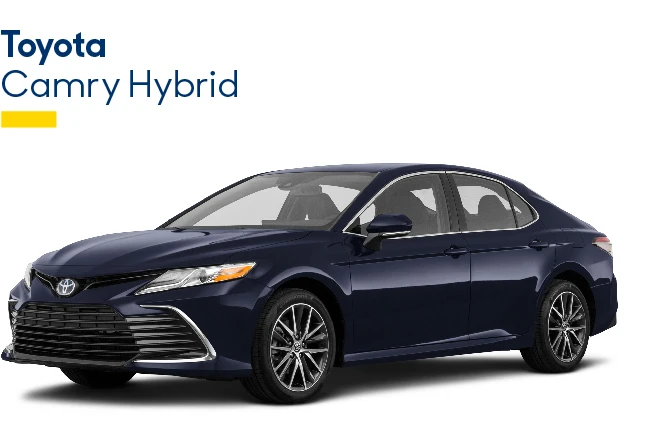
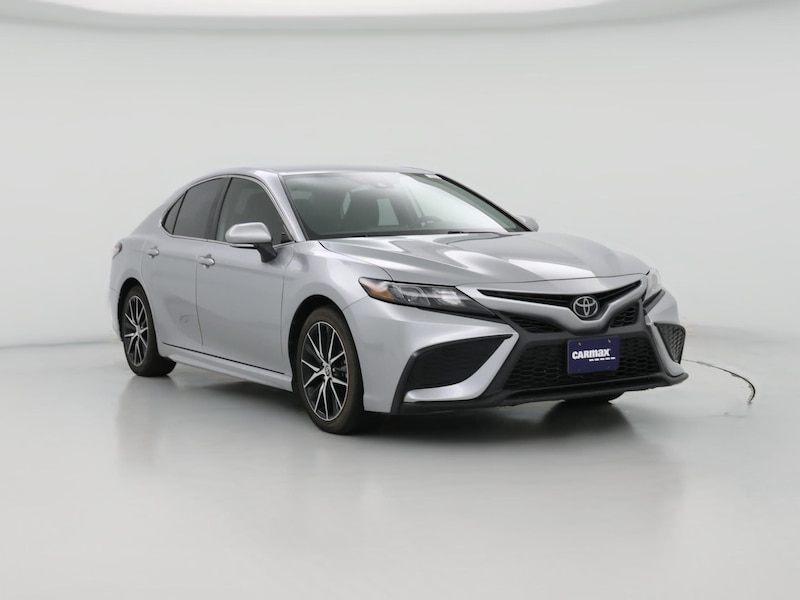
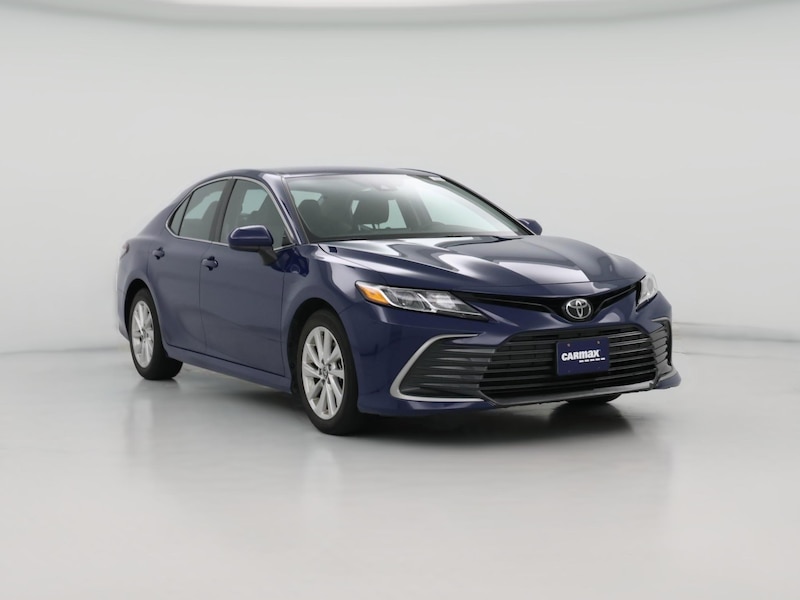
If you want a hybrid without the hybrid looks, check out the Toyota Camry Hybrid. The Camry is a competent midsize sedan, and the hybrid version improves its edge with the addition of an electric motor. The 2018-present Toyota Camry Hybrid has a 2.5L four-cylinder engine paired with electric motors for a total of 208 horsepower. This combo is good for a respectable zero to 60 sprint in 7.4 seconds (according to the manufacturer, when new). Go easy on the throttle, though, and you'll see an EPA-estimated 46 mpg combined from the 2.5L engine on 2018-2020 models.
The 2018-present Toyota Camry XLE Hybrid offers:
Qi-compatible wireless smartphone charging
Nine-inch infotainment screen
Nine-speaker JBL sound system with subwoofer and amplifier
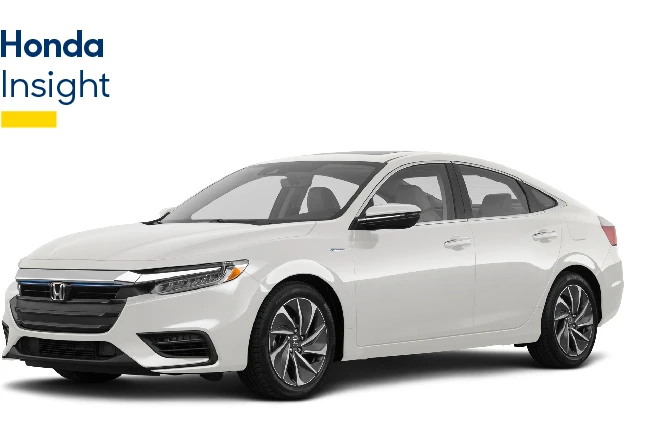
The Honda Insight has a familiar profile, but with the driving fun of a typical Honda. The third-generation Insight spans the 2019-2022 model years, with crisp modern looks, a fancy and comfortable interior, and a capable 1.5L four-cylinder engine paired with lightweight lithium-ion batteries. The result is one of the best-looking compact cars on the road. You'll also love its thrifty performance, especially if you regularly drive long distances—the 1.5L engine gets an EPA-estimated 52 mpg combined on 2019-2022 models.
The 2019-2022 Honda Insight offers these standard features:
One-touch power moonroof
Heated and leather-trimmed front seats
10-speaker 450-watt premium audio system with subwoofer
Shop with your budget in mind
Getting pre-qualified lets you shop with personalized monthly payments, and it doesn't impact your credit score.
Ratings & reliability
Customer ratings
4.8 out of 5
6 customer reviews| 5 Stars | 5 |
|---|---|
| 4 Stars | 1 |
| 3 Stars | 0 |
| 2 Stars | 0 |
| 1 Star | 0 |
RepairPal gave the Toyota Prius an overall reliability rating of 4.5 out of 5 stars, which RepairPal describes as Excellent. This rating ranks Toyota Prius 6th out of 28 among Midsize Cars.
View RepairPal's full rating of the Toyota PriusToyota Prius features and specs
Curious how Toyota Prius trims differ? Use our side-by-side vehicle comparison to see the differences and similarities
Two Eco 4D Hatchback 2WD
Standard Features
- Heated Mirrors
- ABS Brakes
- Air Conditioning
- Cloth Seats
- Cruise Control
- Overhead Airbags
- Power Locks
- Power Mirrors
- Power Windows
- Rear Defroster
- Rear View Camera
- Side Airbags
- Smart Key
- Traction Control
- Alloy Wheels
- Automatic Transmission
- AM/FM Stereo
- Auxiliary Audio Input
- CD Audio
- Entune
- Cloth Seats
- Bluetooth Technology
Drive Wheels
Front Wheel Drive (2WD)
Engine size
1.8L
Horsepower
121
Torque (ft-lbs)
105
Engine type
Hybrid
Fuel capacity
11.3
Wheelbase
106.3"
Overall length
178.7"
Width
69.3"
Height
58.1"
Leg room
F 43.2"/R 33.4"
Head room
F 39.4"/R 37.4"
Front tires
P195/65SR15
Rear tires
P195/65SR15
Seating capacity
5
Transmission
Automatic
2016 Toyota Prius FAQ
The Toyota Prius is great for road trips and long commutes, thanks to the EPA-estimated 56 combined mpg you'll get from 2016 Eco trim models. This allows you to travel more distance between fuel stops on your long drives. Figures are based on EPA estimates for when vehicle sold as new. Fuel economy may vary. You'll also get adept handling, a smooth ride, a quiet engine, comfortable seats, and a plethora of tech to keep passengers entertained.
The Prius family offers several different flavors of driving. The Prius C is the subcompact, the 2016 Toyota Prius V is the largest since it's a wagon, and the Prius Prime is the plug-in hybrid with higher-end exterior treatments. The standard model is just called the Toyota Prius.
The 2016 Toyota Prius does not offer leather seating, but instead has SofTex® seating surfaces available on Prius Three Touring and higher trims. SofTex is synthetic leather designed for easy cleaning and scratch resistance.
More about the 2016 Toyota Prius
Color options
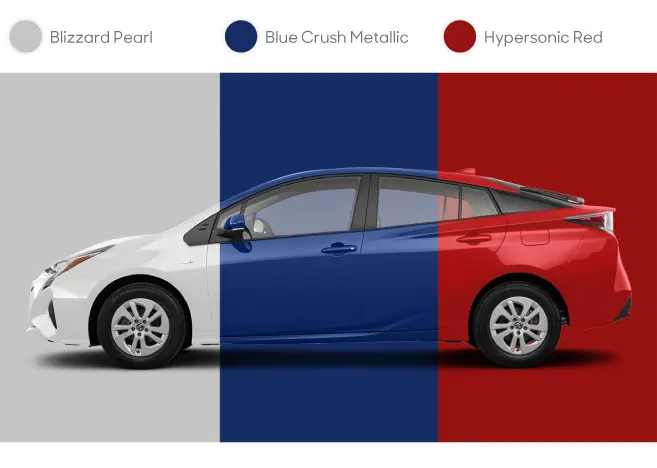
Exterior colors:
Blizzard Pearl
Blue Crush Metallic
Classic Silver Metallic
Hypersonic Red
Magnetic Gray Metallic
Midnight Black Metallic
Sea Glass Pearl
Interior colors:
Black
Harvest Beige
Moonstone
Interior details
Getting into the 2016 Toyota Prius, you'll notice the excellent outward visibility, thanks to large windows and an upright design. This also lends itself to impressive space, with 39.4 inches of headroom. The other immediately eye-catching detail is the driver's display, far back on the dash by the windshield, instead of behind the steering wheel. This unique treatment lets you keep your eyes on the road, rather than looking down at the speedometer.
The white trim accents on Prius Three and higher trims add an upscale touch, and the SofTex leatherette is convincing even up close. The shift knob/gear selector is in an unusual place, located on the dash, but it's surprisingly ergonomic and easy to get used to. The 2016 Toyota Prius is filled with clever storage solutions that make it an easy daily driver.
Child seat details
The 2016 Toyota Prius interior seats four adults comfortably, or five adults if they aren't shy and the trip is short. Alternatively, you can fit three kids in the rear seats. However, the center rear seat is too narrow to accept car seats or boosters, so that seat should be reserved for kids who have aged out of booster seats. The rear left and right seats accept LATCH car seats, infant car seats, rear-facing convertible car seats, forward-facing convertible car seats, and booster car seats. The rear doors open wide, upper anchor points are easily visible, and lower anchors are cleverly hidden under a flap. If you have one or two children in car seats, the 2016 Prius makes family taxi duties simple.
Performance
While the 1.8L engine and electric motor combined make 121 horsepower and 105 lb-ft of torque, the 2016 Prius is light enough to feel spirited. Pulling away from stoplights or even highway on-ramps is no problem at all, and the zero-to-60 time is 9.6 seconds (according to the manufacturer, when new).
Note that Touring models have larger and heavier wheels, and run from zero to 60 mph in 10.5 seconds, with a top speed of 112 mph (according to the manufacturer, when new). Front-wheel drive and a continuously variable transmission are the only choices for the 1.8L engine in the 2016 Prius, but the Eco package makes the car lighter, which improves handling. The impressive stats come from the gas-sipping drivetrain, starting at an impressive EPA-estimated 52 mpg combined.
Year comparison
2010-2015 Toyota Prius (third generation)
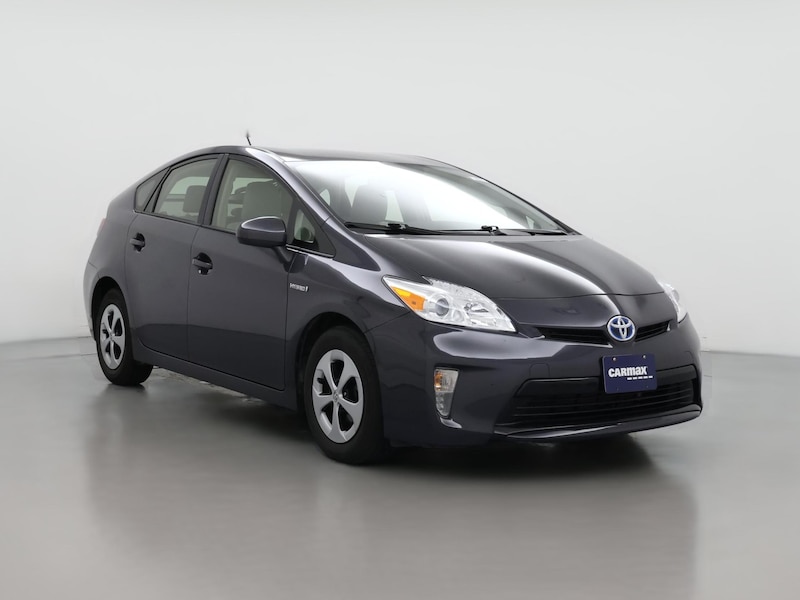
The 2010-2015 Toyota Prius delivered more restrained and contemporary styling than previous generations, with a more powerful engine and battery combo, more mpg, and more cargo space. Unique to this generation is the selectable drive modes, with Sport for improved acceleration, Eco for thrifty cruising, and EV for low speeds, letting you glide into the garage at night without waking little ones. 2012 saw a minor update to the exterior, with more extensive additions to standard tech, including a larger infotainment screen, USB ports, and Bluetooth® connectivity. This generation also added to the Prius lineup, with the subcompact Prius C and larger Prius V wagon complementing the line.
2016-present Toyota Prius (fourth generation)
The big news for the 2017 model year is the Toyota Prius Prime, with a visually upgraded exterior, upscale interior, and double the battery capacity. 2018 offered only one change, with the regular Prius model gaining the Prime's 11.6-inch center touchscreen. The 2019 Toyota Prius gained optional electronic all-wheel drive. The system only works in slippery conditions, so an AWD-e Prius is usually FWD. Trims were renamed to match Toyota's other vehicles, from the L Eco base model to the range-topping Limited. For the 2020 model year, the Prius gained Amazon Alexa™ and Apple CarPlay® connectivity.







Research other vehicles
- 2021 BMW I3 review
- 2025 BMW M5 review
- Chevrolet Equinox
- All things EV
- 2022 Honda Insight review
- 2019 Lexus LX 570 review
- 2022 Lexus LX 600 review
- 2020 Mazda Mazda3 review
- 2021 Mazda Mazda3 review
- 2017 Mercedes-Benz C300 review
- 2018 Mercedes-Benz C300 review
- 2018 Mini Cooper review
- Used Toyota buying guide
- 2024 Toyota Camry Hybrid review
- 2025 Toyota Prius review
- 2013 Toyota Prius review
- 2014 Toyota Prius review
- 2015 Toyota Prius review
- 2017 Toyota Prius review
- 2020 Toyota Prius review
- 2021 Toyota Prius review
- 2023 Toyota Prius review
- 2024 Toyota Prius review
We hope you found this information helpful. This content is intended to inform and is not meant to indicate that a particular vehicle is currently available or recommended for you.
Statements of fuel economy or EV range are based on EPA and other third-party estimates for vehicles when new. Fuel economy and EV range will degrade with time and vary based on age, driving conditions, vehicle history, and other conditions. See fueleconomy.gov for more info.
Unless otherwise noted, information related to featured vehicles comes from third-party sources, including manufacturer information. Product and company names may be trademarks or registered trademarks of third-party entities. Use of them does not imply any affiliation with or endorsement by these entities. By clicking on any video links, you will be taken to a third-party site maintained by YouTube, Inc.
We make every effort to provide accurate information, but please verify before purchasing.